Plastic waste is a growing problem across the world. Every day, tons of plastic products are used once and then thrown away. This waste takes many years to break down and harms land, water, animals, and even human health. Because of this, recycling plastic has become very important. One of the most useful results of plastic recycling is best plastic recycled granules, which are small plastic particles made from processed plastic waste. These granules help industries reuse plastic in a safe and useful way.
In today’s manufacturing world, plastic recycled granules are widely used as a raw material to create new plastic products. They help reduce pollution, save natural resources, and lower production costs. This blog explains what plastic recycled granules are, how they are used, how their quality is checked, and the different material types available. The information is shared in very simple and easy language so everyone can understand.
What Are Plastic Recycled Granules?
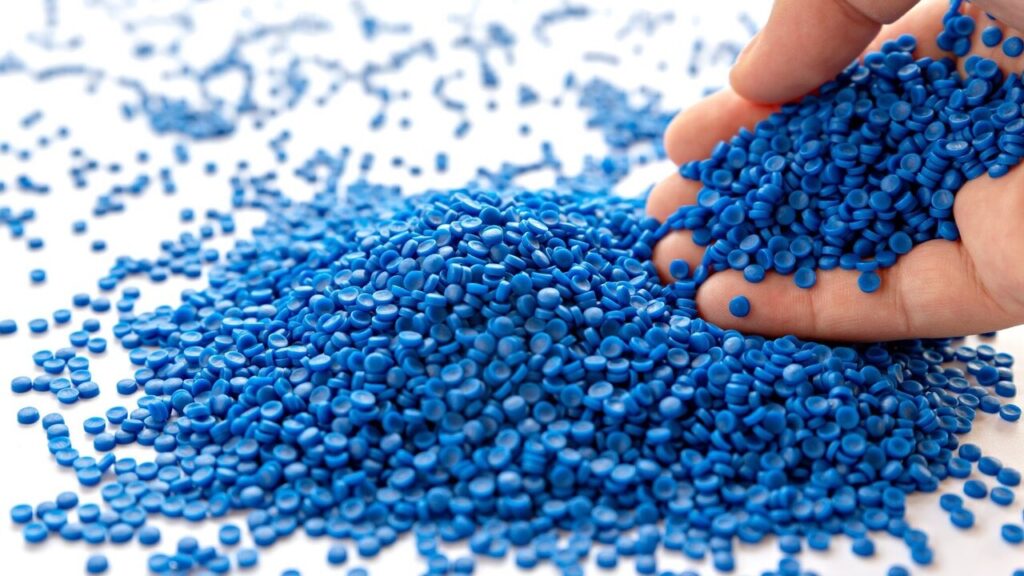
Plastic recycled granules are small, uniform plastic pellets made by recycling used plastic products. These products can include bottles, containers, pipes, packaging materials, plastic bags, and other plastic waste collected from homes, industries, and commercial areas.
The recycling process usually involves collecting plastic waste, sorting it by type, cleaning it, melting it, and then shaping it into small granules. These granules look similar to new plastic granules, but they are made from recycled material instead of fresh plastic.
Once prepared, plastic recycled granules are used again as raw material to make many new plastic items. This process helps reduce the need for virgin plastic and supports a more eco-friendly production system.
Why Plastic Recycling Is Important
Plastic recycling is important for many reasons. First, plastic waste does not decompose easily. It stays in the environment for hundreds of years. By recycling plastic, we reduce the amount of waste that goes to landfills and oceans.
Second, plastic is made from petroleum, which is a limited natural resource. Recycling plastic helps save oil and energy. Producing recycled plastic usually needs less energy compared to making new plastic from raw materials.
Third, recycling creates job opportunities and supports industries that focus on sustainability. Plastic recycled granules play a key role in building a circular economy, where materials are reused again and again instead of being wasted.
Common Uses of Plastic Recycled Granules
Plastic recycled granules are used in many industries. Their wide range of uses makes them very valuable. Below are some of the most common applications.
1. Packaging Industry
The packaging industry is one of the largest users of recycled plastic granules. These granules are used to make plastic containers, bottles, caps, trays, and packaging films. Many non-food packaging products are made using recycled plastic to reduce costs and environmental impact.
2. Household Products
Many daily-use items are made using plastic recycled granules. These include buckets, mugs, storage boxes, dustbins, hangers, chairs, tables, and other household goods. Recycled plastic is strong enough for these products and offers long-lasting performance.
3. Automotive Industry
The automotive sector uses recycled plastic granules for making interior parts such as dashboards, door panels, seat components, and covers. Using recycled plastic helps reduce the weight of vehicles and lowers manufacturing costs.
4. Construction and Building Materials
In construction, recycled plastic granules are used to make pipes, fittings, insulation sheets, roofing materials, floor tiles, and plastic lumber. These materials are durable, resistant to water, and easy to maintain.
5. Agriculture Products
Plastic recycled granules are also used in agriculture. They are used to produce drip irrigation pipes, water tanks, seed trays, crates, and protective covers. These products help farmers reduce costs while still getting strong and reliable materials.
6. Electrical and Electronic Items
Many electrical items like cable covers, switch boards, plug casings, and small electronic parts are made using recycled plastic. These granules offer good insulation and safety when processed properly.
Quality of Plastic Recycled Granules
The quality of plastic recycled granules is very important. Good quality granules ensure strong, durable, and safe end products. Several factors are checked to maintain high quality.
1. Cleanliness
Clean plastic waste is essential for good quality granules. During recycling, plastic is washed to remove dirt, labels, oil, food waste, and other impurities. Cleaner input material leads to better-looking and stronger granules.
2. Consistent Size and Shape
High-quality recycled granules have a uniform size and shape. This helps in smooth processing during manufacturing. Uniform granules melt evenly and reduce machine problems.
3. Color Consistency
Color consistency is important, especially for visible products. Good quality granules have even color with no black spots or unwanted shades. Some granules are also color-treated to meet customer needs.
4. Strength and Durability
Plastic recycled granules should have good strength and flexibility based on their type. Tests are done to check tensile strength, impact resistance, and durability to ensure they perform well in final products.
5. Low Moisture Content
Moisture in plastic granules can cause defects during manufacturing. Quality granules are properly dried and packed to keep moisture levels low.
Types of Plastic Recycled Granules by Material
Different types of plastics are recycled to produce granules. Each material has its own properties and uses. Below are the most common material types.
1. HDPE Recycled Granules
HDPE stands for High-Density Polyethylene. HDPE recycled granules are known for their strength, toughness, and resistance to chemicals.
Uses of HDPE Recycled Granules:
- Pipes and fittings
- Water tanks
- Crates and pallets
- Household containers
- Industrial drums
HDPE granules are widely used because they offer a good balance of strength and flexibility.
2. LDPE Recycled Granules
LDPE means Low-Density Polyethylene. These granules are soft, flexible, and lightweight.
Uses of LDPE Recycled Granules:
- Plastic bags and films
- Packaging sheets
- Agricultural covers
- Squeeze bottles
LDPE recycled granules are ideal for products that need flexibility and softness.
3. LLDPE Recycled Granules
Linear Low-Density Polyethylene (LLDPE) recycled granules offer better strength than LDPE while remaining flexible.
Uses of LLDPE Recycled Granules:
- Stretch films
- Packaging wraps
- Industrial liners
- Agricultural films
LLDPE granules are preferred for applications that need both strength and flexibility.
4. PP Recycled Granules
PP stands for Polypropylene. PP recycled granules are strong, lightweight, and resistant to heat.
Uses of PP Recycled Granules:
- Automotive parts
- Furniture
- Storage boxes
- Household items
- Woven sacks
PP granules are popular because of their durability and wide range of uses.
5. PET Recycled Granules
PET stands for Polyethylene Terephthalate. PET recycled granules are mostly made from used plastic bottles.
Uses of PET Recycled Granules:
- Fibers for clothing and carpets
- Packaging materials
- Straps and sheets
- Containers
PET recycling helps reduce plastic bottle waste and supports sustainable textile production.
6. ABS Recycled Granules
ABS stands for Acrylonitrile Butadiene Styrene. ABS recycled granules are strong and impact-resistant.
Uses of ABS Recycled Granules:
- Electronic housings
- Appliance parts
- Automotive components
- Toys and tools
ABS granules are used where strength and good surface finish are required.
How Plastic Recycled Granules Are Made
The manufacturing process of plastic recycled granules follows several steps:
- Collection: Plastic waste is collected from different sources.
- Sorting: Plastics are sorted by type and color.
- Washing: The plastic is washed to remove dirt and impurities.
- Shredding: Clean plastic is shredded into small pieces.
- Melting: Shredded plastic is melted at controlled temperatures.
- Granulation: The melted plastic is cut into small granules.
- Cooling and Packing: Granules are cooled, dried, and packed for supply.
Each step is important to ensure good quality granules.
Benefits of Using Plastic Recycled Granules
Using plastic recycled granules offers many benefits:
- Reduces plastic waste
- Saves natural resources
- Lowers production costs
- Supports eco-friendly manufacturing
- Reduces energy consumption
- Promotes sustainable development
These benefits make recycled plastic a smart choice for modern industries.
Choosing the Right Plastic Recycled Granules Supplier
When choosing a supplier, it is important to look for consistent quality, proper material testing, reliable supply, and good customer support. A trusted supplier ensures that the granules meet industry standards and work well in manufacturing processes.
Conclusion
Plastic recycled granules play a very important role in reducing plastic waste and supporting sustainable manufacturing. They are widely used in packaging, construction, automotive, agriculture, and household products. With different material types like HDPE, LDPE, PP, PET, and ABS, industries can choose the right granules based on their needs. Quality factors such as cleanliness, strength, and consistency ensure reliable performance in final products.
By choosing high-quality recycled materials from trusted manufacturers like Duha Industries, businesses can reduce costs, protect the environment, and contribute to a cleaner and greener future.