Proper handling determines whether meat stays delicious or becomes unsafe for customers to consume. Temperature control and sanitation practices protect both taste and health of everyone who buys meat. Fresh meat handling requires knowledge that many home cooks and even some professionals lack. Mistakes during storage or preparation ruin expensive cuts within hours of purchase. Understanding correct methods saves money while ensuring better dining experiences for families everywhere.
Why Does Temperature Control Matter Most During Meat Storage and Preparation?
Bacteria multiply rapidly when meat is stored at room temperature. The meat spoils less quickly, and you don’t get sick, if the meat is kept at less than 40°F. Refrigerate meat immediately after purchase; there is no need to let the meat rest. Two hours is the longest time you should leave it out. The best deep freezers operate at about 0°F and keep meat safe and fresh for several months. To prevent bacteria from growing on thawed meat, thaw it in the refrigerator, not at room temperature. Both professional butcher and home cook need to know how meat temperature affects meat safety.
How Does Cross Contamination Affect Meat Quality and Kitchen Safety Standards?
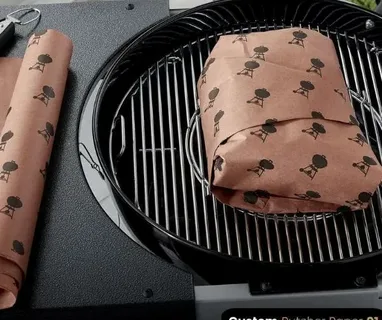
Uncooked meat releases juices, which are full of bacteria, and can contaminate other foods. Separate boards for meat and vegetables help avoid cross-contamination. Rinse knives after touching raw meat and wash all surfaces with hot, soapy water. Proper butchering and wrapping meat with the right Custom printed butcher paper prevents leakages that contaminate the fridge. Wash your hands whenever you handle a different food. Change or sanitize the cloth and sponge that were used on the meat. These are just a few tips to help you avoid foodborne illness.
What Role Does Oxygen Exposure Play In Meat Color and Freshness?
Meat turns brown when exposed to air for too long during storage periods. Oxygen causes oxidation that changes appearance but does not always indicate spoilage immediately. Fresh meat handling involves limiting air exposure through proper wrapping and sealing techniques used. Vacuum sealing removes oxygen and extends shelf life by several days compared to loose wrapping. The brown color outside of meat sometimes masks fresh red meat underneath layers. WaxPapersHub provides materials that protect meat from excessive oxygen exposure during storage and transport. Storing meat in airtight Wrap maintains a bright red color that customers associate with freshness. Understanding color changes helps people avoid wasting perfectly safe meat that looks less appealing.
Why Must Butchers and Cooks Trim Meat Properly Before Cooking or Selling?
Removing excess fat and silver skin improves texture and cooking results for most recipes. Proper trimming prevents unpleasant chewy bits that customers dislike in finished dishes served. Fresh meat handling includes skilled knife work that maximizes usable product from each cut purchased. Leaving too much fat creates flare ups during grilling that char meat surfaces badly. Silver skin shrinks during cooking and causes meat to curl or cook unevenly. Sharp knives make cleaner cuts that preserve meat structure better than dull blades do. Professional trimming reduces waste while improving presentation and eating experience for customers buying products. Training in proper cutting techniques pays off through better yields and happier customers.
How Does Marinating Time Affect Both Flavor Development and Meat Texture?
Acidic marinades break down muscle fibers when left too long on delicate cuts. Chicken and fish need shorter marinating times than beef which has denser muscle structure. Fresh meat handling requires understanding which cuts benefit from longer versus shorter marinating periods used. Over marinating turns outside layers mushy while inside remains under seasoned and bland tasting. Salt in marinades draws moisture out initially but helps meat retain juices during cooking. Refrigerating meat during marinating prevents bacterial growth while flavors penetrate muscle fibers slowly. Turning meat occasionally ensures even flavor distribution throughout all surfaces being treated. Timing marinades correctly enhances taste without compromising texture that diners expect from quality cuts.
What Impact Does Resting Time Have On Juice Retention After Cooking?
Cutting meat immediately after cooking releases juices that should stay inside for moistness. Resting allows muscle fibers to relax and reabsorb juices distributed during the cooking process. Fresh meat handling continues even after cooking finishes with proper resting before slicing begins. Steaks need five to ten minutes while large roasts require twenty to thirty minutes. Covering meat loosely during rest prevents heat loss while allowing steam to escape properly. Juices that run out during resting get reabsorbed rather than spilling onto cutting boards. Patience during resting results in moister and more flavorful finished products served. Skipping this step wastes effort put into cooking meat correctly up to that point.
Why Should Shoppers Inspect Meat Carefully Before Purchasing From Any Store?
Fresh meat should feel cold to touch and show no signs of warming during display. Wraps with excessive liquid indicate poor handling or meat approaching expiration dates soon. Fresh meat handling begins with selecting the best quality products available at stores visited regularly. Gray or green discoloration signals bacterial growth that makes meat unsafe for any consumption. Smell should be neutral or slightly metallic rather than sour or unpleasant to noses. Checking sell by dates ensures meat gets used before quality declines significantly at home. Avoiding damaged Wrap prevents contamination from store environments or other products nearby. Smart shopping decisions prevent bringing home products that disappoint or endanger family members.
How Does Proper Wrapping Protect Meat During Storage In Home Refrigerators?
Air tight wrapping prevents moisture loss that dries out surfaces and toughens texture significantly. Using kraft paper or plastic wrap correctly maintains quality during several days of refrigeration. Fresh meat handling at home determines whether expensive purchases stay fresh until cooking time arrives. Loose wrapping allows air circulation that speeds spoilage and encourages bacterial growth inside refrigerators. Labeling Wrap with purchase dates helps families use older products first systematically. Storing meat on the lowest shelves prevents drips that contaminate vegetables or ready to eat items. Separating different meat types avoids flavor transfer between chicken and beef or pork. Organization and careful wrapping extend the usable life of meat purchases bought in bulk.
Conclusion
Proper techniques throughout the entire process from purchase to plate ensure best possible results. Temperature control and cleanliness prevent illness while preserving flavor and texture customers expect. Trimming and marinating require knowledge that improves with practice and attention to details. Resting meat after cooking and wrapping correctly during storage both matter for quality. Fresh meat handling separates successful home cooks from those who waste money on spoiled products.