Introduction
Specialty coffee brewing is built on precision, balance, and a deep understanding of how each step influences flavor. From bean selection to extraction, every variable plays a part in the final cup. Among these variables, grind quality is often the silent factor that determines whether a brew reaches its full potential or falls flat. An espresso grinder sits at the heart of this process, translating roasted beans into a form that allows water to extract flavor evenly and predictably. Without proper grinding, even the highest-quality beans and the most refined brewing methods cannot deliver consistent results.
Understanding Specialty Coffee Brewing
Specialty coffee focuses on showcasing the unique characteristics of coffee beans, including origin, processing method, and roast profile. Unlike mass-produced coffee, specialty brewing emphasizes clarity of flavor, aroma, and mouthfeel. Achieving this level of detail requires control over variables such as water temperature, brew time, pressure, and grind size.
Grind size directly affects how water interacts with coffee particles. If the grind is too coarse, water flows through too quickly, leading to under-extraction and sour flavors. If too fine, water struggles to pass through, causing over-extraction and bitterness. In specialty coffee, where subtle flavor notes matter, this balance becomes even more critical.
Why Grinding Matters More Than It Seems
Grinding coffee is not just about reducing beans into smaller pieces. It is about creating particles of relatively uniform size so that extraction occurs evenly. Uneven particles can lead to mixed extraction, where some grounds are over-extracted while others remain under-extracted in the same brew. This inconsistency masks delicate flavors and creates a muddled taste profile.
In specialty coffee brewing, the goal is to highlight complexity rather than hide it. A well-controlled grinding process helps preserve the intended flavor notes, whether they are floral, fruity, nutty, or chocolatey.
Particle Consistency and Flavor Clarity
One of the most important contributions of a grinder in specialty brewing is particle consistency. Uniform particles allow water to extract soluble compounds at a similar rate across the entire coffee bed. This leads to balanced sweetness, acidity, and bitterness.
Inconsistent grinding, on the other hand, introduces fines and boulders very small and very large particles mixed together. Fines tend to over-extract quickly, adding bitterness, while boulders under-extract, contributing sourness. The result is a cup that lacks clarity and balance, which goes against the principles of specialty coffee.
Adjustability for Different Brew Styles
Specialty coffee brewing often involves experimenting with different recipes and techniques. While espresso requires a fine and precise grind, other methods may demand slight adjustments to optimize flavor. A grinder that allows precise control over grind size supports this experimentation, enabling brewers to fine-tune extraction based on bean density, roast level, and freshness.
Light roasts, common in specialty coffee, often require different grinding approaches compared to darker roasts. Their dense structure can benefit from slight grind adjustments to ensure proper extraction. The ability to make small, repeatable changes is essential for consistency across multiple brews.
Freshness and Aroma Preservation
Grinding coffee immediately before brewing preserves volatile aromatic compounds that contribute to flavor and aroma. Once beans are ground, they rapidly lose freshness as they are exposed to air. In specialty coffee, where aroma is a key part of the sensory experience, this loss can significantly affect quality.
A reliable grinder supports on-demand grinding, ensuring that each brew starts with fresh grounds. This freshness enhances aroma, improves flavor intensity, and helps maintain the unique characteristics of specialty beans.
Reducing Waste and Improving Consistency
Consistency is not only about flavor but also about efficiency. In specialty coffee settings, repeated adjustments caused by inconsistent grinding can lead to wasted coffee and time. A grinder that delivers predictable results reduces the need for constant recalibration and minimizes trial-and-error brewing.
This reliability allows brewers to focus more on refining recipes and less on correcting grind-related issues. Over time, this leads to a more stable brewing process and a better overall coffee experience.
Supporting Skill Development in Brewing
Specialty coffee brewing is both a craft and a skill. Learning how grind size affects extraction helps brewers develop a deeper understanding of coffee behavior. A grinder that responds accurately to adjustments becomes an educational tool, allowing brewers to see direct cause-and-effect relationships between grind changes and cup quality.
This feedback loop is essential for growth, whether in a café environment or for enthusiasts refining their technique at home. Consistent grinding makes it easier to identify which variables need adjustment and which are already optimized.
Integration with the Brewing Setup
While grinding is a standalone step, it must work in harmony with the rest of the brewing setup. The grinder influences flow rate, extraction time, and pressure dynamics. When these elements align, the brewing process becomes more predictable and repeatable.
In specialty coffee, this integration ensures that the brewer can achieve the same flavor profile across multiple servings, maintaining quality standards and customer expectations.
Long-Term Impact on Coffee Quality
Over time, the role of a grinder becomes even more apparent. Consistent grinding supports better recipe documentation, repeatability, and quality control. As beans change with age and environmental conditions, the grinder remains a key adjustment point for maintaining flavor balance.
By enabling precise control over extraction, a good grinding process helps preserve the integrity of specialty coffee, ensuring that each cup reflects the care taken at every stage of production.
Final Thought: Completing the Specialty Brewing Experience
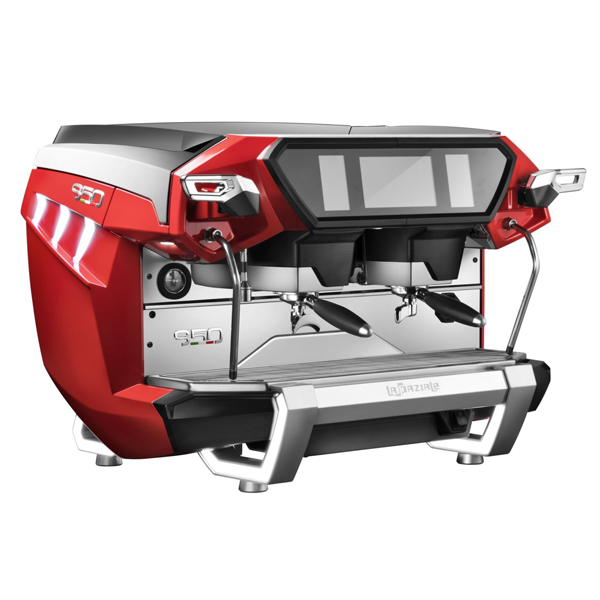
In specialty coffee brewing, excellence is achieved through attention to detail and respect for each variable in the process. Grinding stands as one of the most influential steps, shaping how flavors are extracted and perceived. When grinding is precise and consistent, it allows the brewer to unlock the full potential of the beans and maintain balance in every cup. Ultimately, the grinder works hand in hand with the espresso coffee machine, completing a brewing system that transforms carefully sourced beans into a refined and memorable coffee experience.