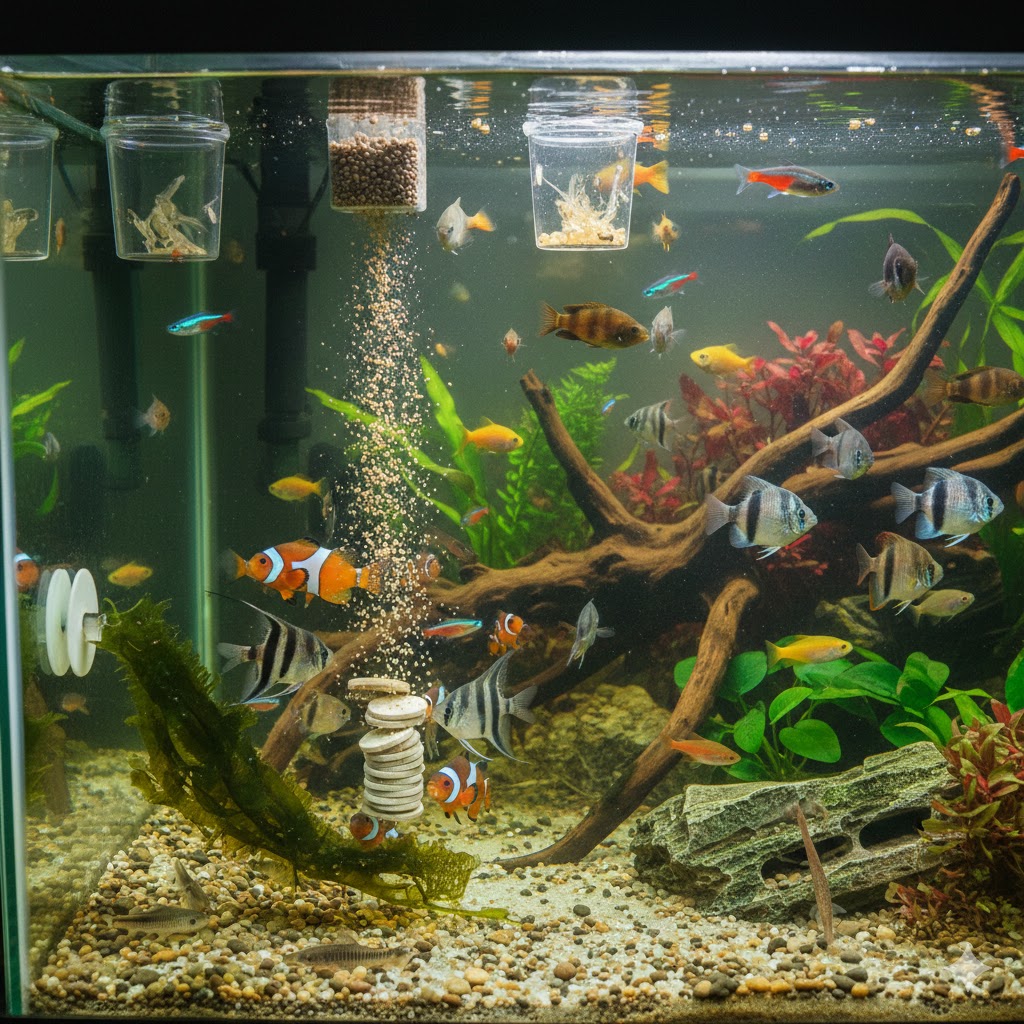
Keeping aquarium fish healthy, active, and vibrant is about more than clean water and a well-designed tank. Nutrition plays a defining role in coloration, immunity, growth, and lifespan. Many new and even experienced fish keepers underestimate the impact that proper fish food choices can have on long-term tank success.
In this in-depth guide, we explore how to choose the right Fish Food, understand ingredient labels, avoid common feeding mistakes, and stay aligned with modern USA-based pet care trends. Whether you’re caring for freshwater community fish or marine species, this article will help you make informed, responsible feeding decisions.
Understanding Aquarium Fish Nutrition Basics
Fish require a balanced intake of proteins, fats, carbohydrates, vitamins, and minerals, just like other pets. However, their needs vary greatly depending on species, size, habitat, and metabolism.
For example:
- Carnivorous fish require higher protein levels
- Herbivorous species rely on plant-based fibers and algae
- Omnivorous fish need a blend of both
The quality of Fish Food determines how well these nutritional needs are met. Low-quality options often contain fillers that cloud water and offer minimal nutritional value.
What Should You Look for in Quality Fish Diets?
High-quality aquarium diets are defined by ingredient transparency and formulation purpose. Always check labels before purchasing.
Key Ingredients to Prioritize
- Whole fish or shrimp meal as the primary protein
- Natural color enhancers like spirulina
- Vitamins A, C, D, and E
- Omega-3 and Omega-6 fatty acids
Avoid foods that list corn, wheat, or soy as the first ingredient. These fillers may reduce digestibility and increase waste.
What Type of Fish Food Is Best for Your Aquarium?
This is one of the most common questions among fish keepers, and the answer depends on your tank’s inhabitants.
Common Types of Aquarium Diets
- Flakes: Ideal for surface feeders
- Pellets: Suitable for mid-water and bottom feeders
- Freeze-dried foods: Great for variety
- Frozen foods: Mimic natural diets closely
Marine tanks often require specialized saltwater fish food to support reef-safe nutrition, coral compatibility, and higher protein demands.
Feeding Frequency and Portion Control
Overfeeding is one of the leading causes of poor water quality. Fish should only be fed what they can consume within 2–3 minutes.
General feeding tips:
- Feed small amounts 1–2 times daily
- Remove uneaten food promptly
- Adjust feeding during seasonal temperature changes
A carefully selected Fish Food with high digestibility reduces waste and helps maintain stable tank conditions.
Freshwater vs. Marine Feeding Needs
Freshwater fish typically thrive on plant-forward or mixed diets, while marine species require higher protein and fat content.
Saltwater aquariums often rely on specially formulated saltwater fish food designed to support:
- Bright coloration
- Strong immune systems
- Coral-safe feeding
Choosing the wrong type can result in nutrient deficiencies or aggressive feeding behavior.
Table: Comparing Common Aquarium Food Types
| Food Type | Best For | Benefits | Feeding Notes |
| Flakes | Community fish | Easy to portion | Can cloud water if overused |
| Pellets | Medium to large fish | Sinks slowly, nutrient-dense | Choose size carefully |
| Frozen foods | Carnivorous species | High protein, natural texture | Thaw before feeding |
| Algae wafers | Bottom feeders | Plant-based nutrition | Feed after lights dim |
USA-Based Pet Supply Trends and Research
In recent years, USA pet supply manufacturers have invested heavily in sustainable sourcing, cleaner ingredient lists, and species-specific nutrition. Research from aquatic veterinary groups highlights a growing shift toward low-waste formulations that improve digestion and reduce ammonia spikes.
Many brands available through Online Pet Supplies platforms now emphasize:
- Grain-free formulations
- Responsibly sourced marine proteins
- Resealable, eco-friendly packaging
These advancements make it easier for hobbyists to access premium nutrition without visiting specialty stores.
The Role of Online Shopping in Modern Fish Care
The rise of Online Pet Supplies has transformed how aquarists shop for essentials. Consumers now benefit from:
- Wider product variety
- Access to customer reviews
- Detailed feeding guides
This convenience helps fish keepers compare options, research ingredients, and maintain consistent feeding routines with trusted suppliers.
Common Feeding Mistakes to Avoid
Even with high-quality products, mistakes can reduce feeding effectiveness.
Avoid:
- Feeding multiple foods at once
- Ignoring species-specific needs
- Storing food improperly (heat and moisture degrade nutrients)
Rotating diets occasionally while sticking to a core Fish Food can help maintain balanced nutrition without stressing fish.
FAQs
How often should aquarium fish be fed?
Most aquarium fish do well with one or two small feedings per day. Portion control is more important than frequency.
Is saltwater fish food different from freshwater food?
Yes. Marine fish require higher protein and fat levels, and their food is formulated to support reef environments and marine digestion.
Can I buy quality fish food from Online Pet Supplies?
Yes. Reputable online platforms offer a wide range of premium options, often with better ingredient transparency than local stores.
How do I know if my fish food is high quality?
Check the ingredient list. Whole proteins should be listed first, and artificial colors or fillers should be minimal or absent.
Does fish food affect water quality?
Absolutely. Poor-quality food increases waste and ammonia levels, while well-formulated diets improve digestion and tank clarity.
Final Thoughts
Feeding aquarium fish is both a science and an art. By understanding nutritional needs, choosing quality products, and staying informed about USA-based pet supply innovations, you can create a healthier, more vibrant aquatic environment. Smart feeding practices not only benefit your fish but also make tank maintenance easier and more enjoyable.