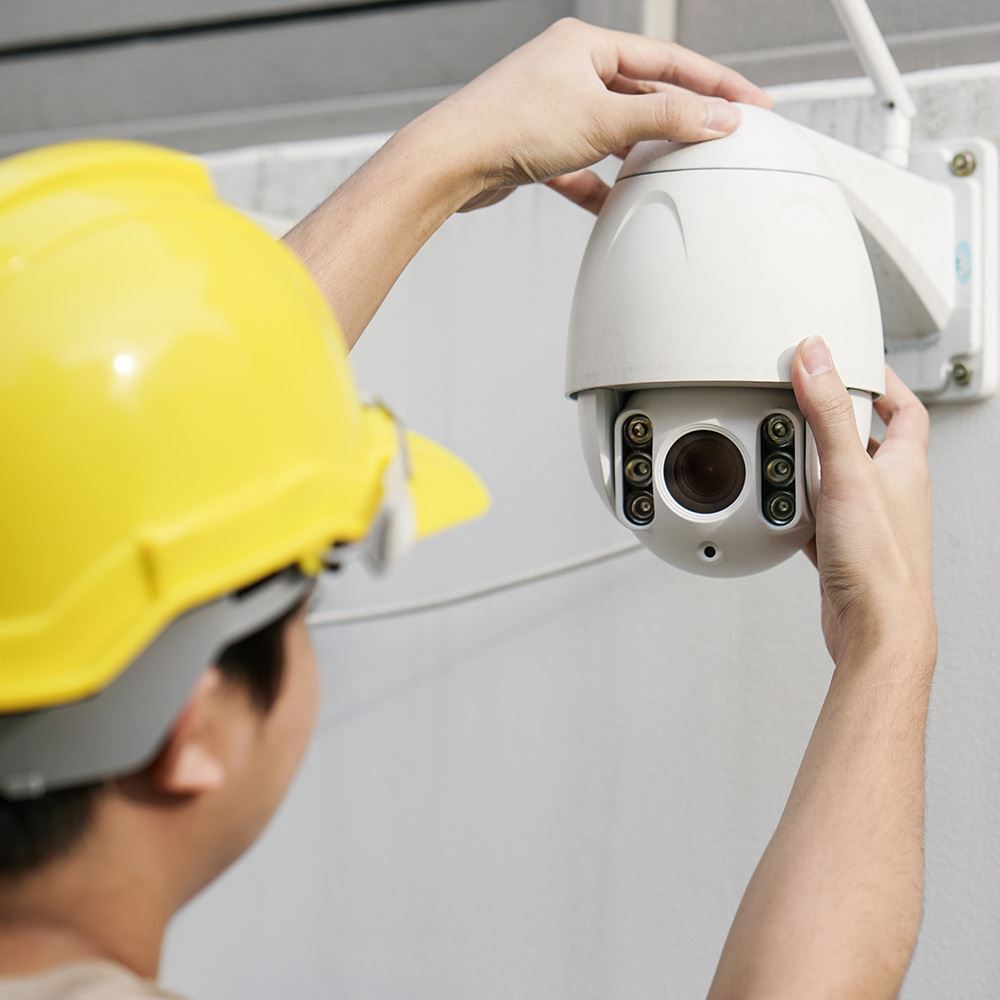
Hidden CCTV cameras are often associated with discreet surveillance and enhanced security, but their use raises serious legal and ethical concerns, particularly in the UK. While CCTV installation can be an effective deterrent against theft and misconduct, covert recording without proper justification can easily cross legal boundaries.
This guide explains what hidden CCTV is, when it may be lawful, and how privacy rules apply to covert surveillance in homes and businesses.
What Is Hidden or Covert CCTV?
Hidden CCTV, also known as covert surveillance, refers to cameras that are concealed or not clearly visible to individuals being recorded. These systems are designed to operate discreetly, without obvious signage or visual awareness.
Hidden cameras are sometimes used to:
- Investigate suspected theft or fraud
- Monitor restricted areas
- Gather evidence of serious misconduct
However, their discreet nature makes them one of the most legally sensitive forms of surveillance.
Is Hidden CCTV Legal in the UK?
The Short Answer: Usually No
In most everyday situations, hidden CCTV is not legal in the UK. UK surveillance laws prioritise transparency and fairness, meaning people generally have the right to know when they are being recorded.
Hidden CCTV may only be lawful under exceptional circumstances, and even then, strict conditions apply.
UK Laws Governing Hidden CCTV Use
Data Protection Act 2018 and UK GDPR
Hidden CCTV footage often qualifies as personal data. If individuals can be identified, the recording falls under UK data protection laws.
These laws require that surveillance be:
- Lawful
- Necessary
- Proportionate
- Transparent wherever possible
Covert recording directly conflicts with transparency, which is why it is heavily restricted.
Human Rights and Privacy Expectations
Under UK law, individuals have a reasonable expectation of privacy, especially in places such as:
- Homes
- Toilets and washrooms
- Changing rooms
- Staff break areas
Hidden cameras in these locations are almost always unlawful, regardless of intent.
When Can Hidden CCTV Be Lawful?
Exceptional Circumstances Only
Hidden CCTV may be permitted when:
- There is strong evidence of serious criminal activity
- Open surveillance would likely undermine the investigation
- The monitoring is temporary and targeted
- No less intrusive method is available
Even in these cases, the use of covert CCTV must be carefully documented and justified.
Time-Limited and Purpose-Specific Use
Any lawful hidden surveillance must:
- Operate for a short, defined period
- Focus only on the suspected issue
- Stop immediately once evidence is obtained
Continuous or indefinite covert monitoring is not permitted.
Hidden CCTV in the Workplace
Employee Monitoring Risks
Using hidden cameras to monitor employees is extremely risky and often illegal. Employers must respect workers’ rights and avoid intrusive practices.
Hidden CCTV in workplaces is generally prohibited unless:
- Serious criminal behaviour is suspected
- Senior management approval is documented
- Legal advice has been obtained
Routine performance monitoring using covert cameras is unlawful.
What Employers Should Do Instead
- Use visible CCTV with clear signage
- Communicate monitoring policies transparently
- Limit surveillance to security purposes
- Avoid recording private areas
Professional security providers like sahisecure volt advise open surveillance as the safest and most compliant option.
Hidden CCTV in Domestic Settings
Can Homeowners Use Hidden Cameras?
Homeowners may install CCTV for security, but hidden cameras introduce legal complications.
Hidden CCTV inside a home may be lawful only if it records household members, not visitors or domestic staff. The moment a system records anyone outside the immediate household, privacy laws apply.
Recording Visitors and Neighbours
Using hidden CCTV to record:
- Visitors without consent
- Neighbours
- Public spaces
can result in legal complaints, enforcement action, or civil claims.
Audio Recording and Covert Surveillance
Why Audio Recording Is Highly Restricted
Hidden cameras that record audio are far more intrusive than video-only systems. Audio surveillance often captures private conversations and is rarely justifiable.
In most cases:
- Audio recording is unlawful
- Consent is required from all parties
- It significantly increases legal risk
For security purposes, audio recording should be avoided altogether.
CCTV Signage and Transparency Rules
Why Signage Is Essential
UK law strongly favours visible surveillance. Clear signage informs individuals that recording is taking place and explains its purpose.
Hidden CCTV removes this transparency, which is why it is tightly regulated.
What Proper CCTV Use Looks Like
- Clearly visible cameras
- Prominent warning signs
- Defined security purpose
- Limited recording areas
This approach reduces legal exposure and builds trust.
Handling Hidden CCTV Footage Lawfully
Storage and Access Control
If hidden CCTV footage is lawfully collected, it must still be:
- Stored securely
- Accessed only by authorised individuals
- Protected against misuse
Uncontrolled access or sharing of footage is illegal.
Sharing Footage with Authorities
Footage should only be shared:
- With law enforcement when requested
- For legitimate legal proceedings
- In a secure and documented manner
Sharing footage publicly or on social media is prohibited.
Consequences of Misusing Hidden CCTV
Misuse of covert surveillance can lead to:
- ICO investigations
- Fines and enforcement notices
- Civil lawsuits for invasion of privacy
- Employment tribunal claims
- Severe reputational damage
In some cases, improperly obtained footage may be inadmissible in court.
Ethical Considerations Beyond the Law
Even when hidden CCTV may be technically lawful, ethical concerns remain. Surveillance should always balance security needs against respect for personal privacy.
Overuse of covert monitoring can:
- Damage trust
- Create hostile environments
- Lead to legal escalation
Ethical surveillance focuses on prevention, not secrecy.
Best Practices to Avoid Legal Issues
Safer Alternatives to Hidden CCTV
- Use visible cameras with proper placement
- Improve lighting and access control
- Restrict surveillance to high-risk areas
- Conduct privacy impact assessments
Visible, well-planned CCTV achieves security goals without legal risk.
Final Thoughts on Hidden CCTV and Privacy
Hidden CCTV sits at the most sensitive intersection of security and privacy law. While it may seem like a discreet solution, covert surveillance carries significant legal, ethical, and reputational risks in the UK.
In most cases, transparent and clearly signposted CCTV systems provide better protection while respecting individual rights. Understanding privacy expectations, legal limits, and responsible use is essential before considering any form of hidden surveillance.