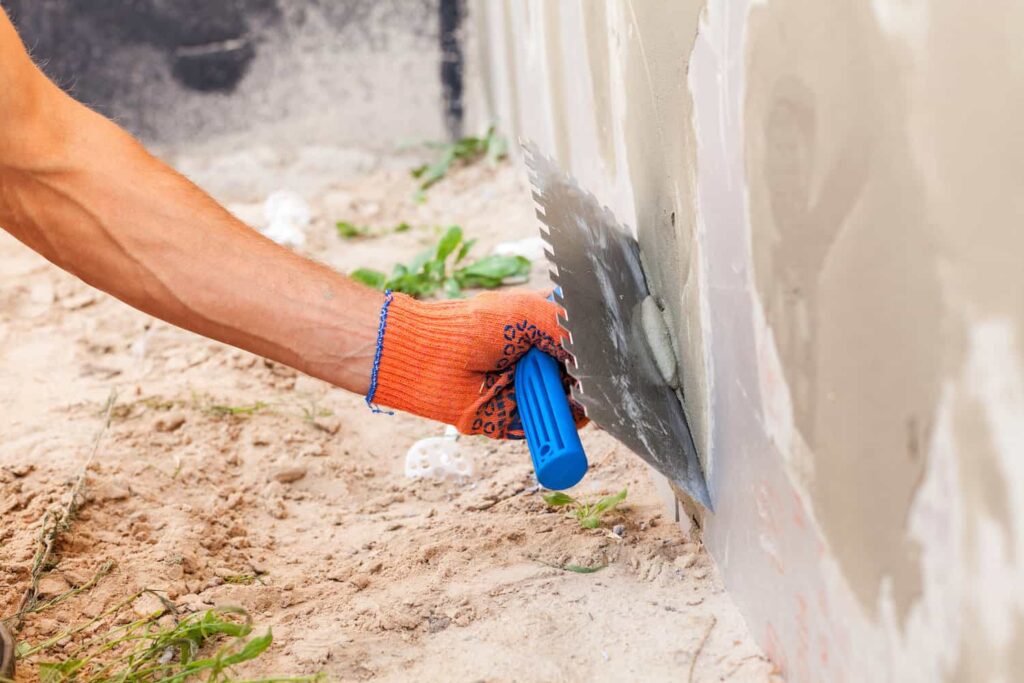
A strong foundation is the backbone of any building. Once your foundation has been repaired, maintaining it properly is crucial to ensure its longevity and prevent future issues. Many homeowners focus on repairing visible cracks or structural damage, but long-term maintenance is often overlooked. In this guide, we will discuss practical steps to take after a foundation repair to keep your home safe and stable.
Regular Inspection is Key
After a foundation repair, the first step in maintenance is regular inspection. Look for any signs of cracks, uneven floors, or sticking doors and windows. Early detection of issues can save time and money, preventing small problems from turning into major structural concerns. Inspections should be conducted at least twice a year, especially after seasonal changes or heavy rains.
Keeping a record of these inspections can also help identify patterns. For instance, if cracks tend to reappear in certain areas, it could indicate soil movement or drainage issues. Homeowners should also pay attention to any unusual sounds, such as creaking floors or walls, as these can be early warning signs of foundation stress.
If you are unsure how to conduct a proper inspection, professional Foundation Repair Services in Austin TX can help. Experts can identify potential risks that may not be visible to the untrained eye and recommend preventive measures to protect your foundation.
Proper Drainage Around the Home
Water is one of the biggest threats to a repaired foundation. Poor drainage can lead to soil erosion, settling, and even new cracks in the foundation. Ensure that your gutters, downspouts, and exterior drains are functioning correctly and directing water away from the house.
Landscaping plays an important role as well. Keep plants and trees at a safe distance from your foundation, as roots can exert pressure and cause damage. Avoid heavy watering near the foundation and consider grading your yard to slope away from the home. Proper water management ensures that your repair work remains effective for years.
Control Soil Moisture
Soil expansion and contraction due to moisture changes can affect foundation stability. Maintaining consistent soil moisture around your foundation is crucial. During dry periods, consider watering the soil to prevent it from shrinking. Conversely, during wet periods, ensure water does not pool near your foundation walls.
Using soaker hoses or drip irrigation systems can help maintain an even moisture level around the foundation. Avoid overwatering, as excessive moisture can weaken the soil and undermine the repaired structure. A balanced approach to soil moisture can prevent costly future repairs.
Maintain Structural Features
Foundations are supported by various structural elements like piers, beams, and footings. Regularly check for rust, corrosion, or damage to these components. Wooden beams should be free of rot and termites, while metal supports should remain rust-free.
If any issues are detected, contact a professional immediately. Timely repairs to these structural elements can prevent minor problems from escalating into major foundation failures.
Monitor Interior Conditions
Foundation maintenance is not just about the exterior. Keep an eye on interior signs of foundation stress. Cracks in walls, uneven flooring, and doors or windows that don’t close properly are indicators that your foundation may need attention.
Temperature and humidity control inside the home can also play a role. Rapid changes in indoor moisture levels can affect wooden floors and framing, potentially impacting the foundation indirectly. Using a dehumidifier or maintaining consistent indoor conditions can help reduce stress on the foundation.
Landscaping and Vegetation Management
Trees, shrubs, and large plants near your foundation can create long-term problems if not properly managed. Roots can penetrate and displace foundation soil, causing cracks or uneven settling. Maintain a safe distance between large vegetation and your foundation, and trim roots that grow too close.
Mulching and proper irrigation can help maintain soil moisture without over-saturating the area near your foundation. Regularly assess the landscaping to ensure it supports the longevity of your repaired foundation.
Homeowners in Austin often rely on trusted experts for guidance on foundation maintenance. Texas Foundation Systems LLC is known for offering practical, long-lasting solutions for foundation problems. Their team not only performs professional repairs but also provides valuable advice on preventive maintenance. By following their recommendations, homeowners can extend the life of their repaired foundations and protect their homes against future damage.
Seasonal Maintenance Tips
Seasonal changes can affect your foundation in different ways. In colder months, soil contraction due to frost can lead to minor shifting. During heavy rains, excess water can seep into the soil and put pressure on foundation walls.
Simple steps like clearing debris from gutters, checking grading around your home, and inspecting foundation walls for new cracks can go a long way. A seasonal maintenance routine ensures that minor issues are addressed before they become major problems.
Know When to Call Professionals
Even with careful maintenance, foundations can face issues that require professional attention. If you notice persistent or worsening cracks, significant floor leveling issues, or water intrusion, it is time to consult a foundation specialist.
Working with certified professionals ensures the problem is addressed correctly the first time. Companies with experience in Foundation Repair Services in Austin TX can offer tailored solutions and provide ongoing guidance for foundation care.
Conclusion
Maintaining a foundation after repair is an ongoing process that requires attention and care. Regular inspections, proper drainage, soil moisture control, and monitoring interior signs are essential steps for long-lasting results. By taking these preventive measures and seeking professional guidance when needed, homeowners can protect their investment and ensure the stability of their homes for years to come. Remember, a well-maintained foundation is the key to a safe and durable home structure.