Enterprise software has changed dramatically over the last few years. What once relied on monolithic systems and rigid architectures has evolved into flexible, intelligent platforms designed to scale with business growth. At the center of this evolution is enterprise application development, supported by a modern tech stack that blends cloud infrastructure, AI, and modular frameworks.
Understanding this tech stack is important for any organization planning to modernize operations or invest in long-term digital transformation. Today’s enterprise applications are not built on a single technology. They are ecosystems designed for performance, security, and adaptability.
What Defines a Modern Enterprise App Tech Stack
A modern enterprise tech stack is built to handle complexity. It supports large user bases, integrates multiple systems, and adapts to changing business needs. More importantly, it enables innovation without disrupting daily operations.
An experienced enterprise app development company designs these stacks with scalability, resilience, and future readiness in mind. The goal is not just to build software, but to create a foundation that can evolve over time.
Front-end Technologies Focused on User Experience

Enterprise applications are no longer limited to internal teams. Many now support customers, partners, and remote workforces. This has increased the importance of frontend performance and usability.
Popular frontend technologies include:
- React and Angular for responsive interfaces
- Vue.js for lightweight and flexible UI development
- Progressive web app frameworks for cross-platform access
Modern enterprise application development prioritizes clarity, speed, and accessibility. A well-designed frontend improves adoption and productivity across the organization.
Back-end Systems Built for Scale and Reliability
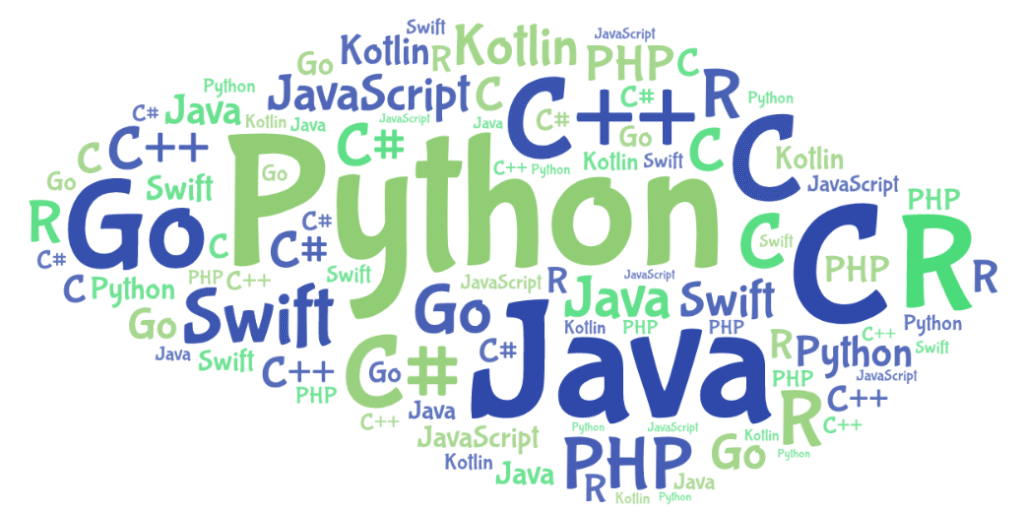
The backend is the engine that powers enterprise applications. It manages data processing, integrations, and business logic. In today’s environment, backend systems must be both robust and adaptable.
Common backend technologies include:
- Node.js and Java for high-performance processing
- .NET for enterprise-grade applications
- Python for data-driven and AI-enabled workflows
Microservices architecture has become the standard. Instead of one large system, applications are built as smaller, independent services that can be updated or scaled individually. This approach reduces risk and improves agility.
Cloud Infrastructure as the Core Foundation
Cloud computing is now the backbone of enterprise application development. It enables scalability, cost efficiency, and global accessibility.
Most enterprise applications rely on:
- AWS, Microsoft Azure, or Google Cloud
- Containerization using Docker and Kubernetes
- Serverless computing for event-driven workloads
Cloud infrastructure allows businesses to scale resources based on demand, ensuring performance without unnecessary overhead. It also supports faster deployment cycles and easier maintenance.
Data Management and Enterprise Databases
Data is one of the most valuable assets for modern enterprises. The tech stack must support secure, reliable, and scalable data management.
Enterprise applications often use a combination of:
- Relational databases like PostgreSQL and MySQL
- NoSQL databases, such as MongoDB, for flexibility
- Data warehouses for analytics and reporting
Effective enterprise application development ensures that data flows seamlessly across systems while maintaining accuracy and compliance.
AI App Development as a Strategic Layer
AI is no longer an optional feature. It has become a strategic layer within the enterprise tech stack. AI app development enables applications to move beyond automation into intelligence.
AI capabilities commonly integrated into enterprise apps include:
- Predictive analytics and forecasting
- Intelligent process automation
- Natural language processing for chatbots and search
- Personalized user experiences
When implemented responsibly, AI enhances decision-making and operational efficiency. It also strengthens the expertise and trustworthiness of enterprise systems, aligning with E-E-A-T principles.
Security and Compliance by Design
Enterprise applications handle sensitive data, making security a top priority. Modern tech stacks embed security at every layer rather than treating it as an afterthought.
Key security components include:
- Role-based access controls
- Data encryption in transit and at rest
- Secure APIs and authentication protocols
- Continuous monitoring and threat detection
A reliable enterprise application development company ensures compliance with industry regulations while protecting business and customer data.
Integration and API-Driven Architecture
Enterprises rarely operate in isolation. Their applications must integrate with CRM systems, B2B eCommerce ERP Integration platforms, payment gateways, and third-party tools.
API-driven architecture enables seamless integration across systems. It allows enterprise applications to communicate efficiently while remaining flexible. This approach reduces vendor lock-in and supports future expansion.
DevOps and Continuous Delivery
Speed and stability are no longer trade-offs. DevOps practices allow enterprise teams to deliver updates faster without sacrificing quality.
Modern enterprise tech stacks include:
- Automated testing and deployment pipelines
- Continuous integration and continuous delivery workflows
- Real-time performance monitoring
These practices ensure that applications remain reliable while evolving alongside business needs.
Why the Right Tech Stack Matters
Technology choices directly impact long-term success. A poorly designed stack can limit scalability, increase costs, and slow innovation. In contrast, a well-planned enterprise application development strategy creates flexibility and resilience.
Businesses that invest in the right stack gain:
- Faster time to market
- Lower maintenance costs
- Better user adoption
- Stronger data insights
The tech stack becomes a competitive advantage rather than a limitation.
Conclusion
Inside every successful enterprise application is a thoughtfully designed tech stack. From frontend frameworks and cloud infrastructure to AI app development and security layers, each component plays a critical role.
Enterprise application development today is about building systems that adapt, learn, and scale with the business. Companies that get this right are better positioned to innovate, compete, and grow in a digital-first economy.
Build Future-Ready Enterprise Apps with Appnality
Appnality is a trusted enterprise app development company delivering scalable, secure, and intelligent solutions. With deep expertise in enterprise application development and AI app development, Appnality helps businesses build technology stacks designed for long-term success. If you are planning your next enterprise application or modernizing an existing platform, Appnality can help you design, build, and scale with confidence.