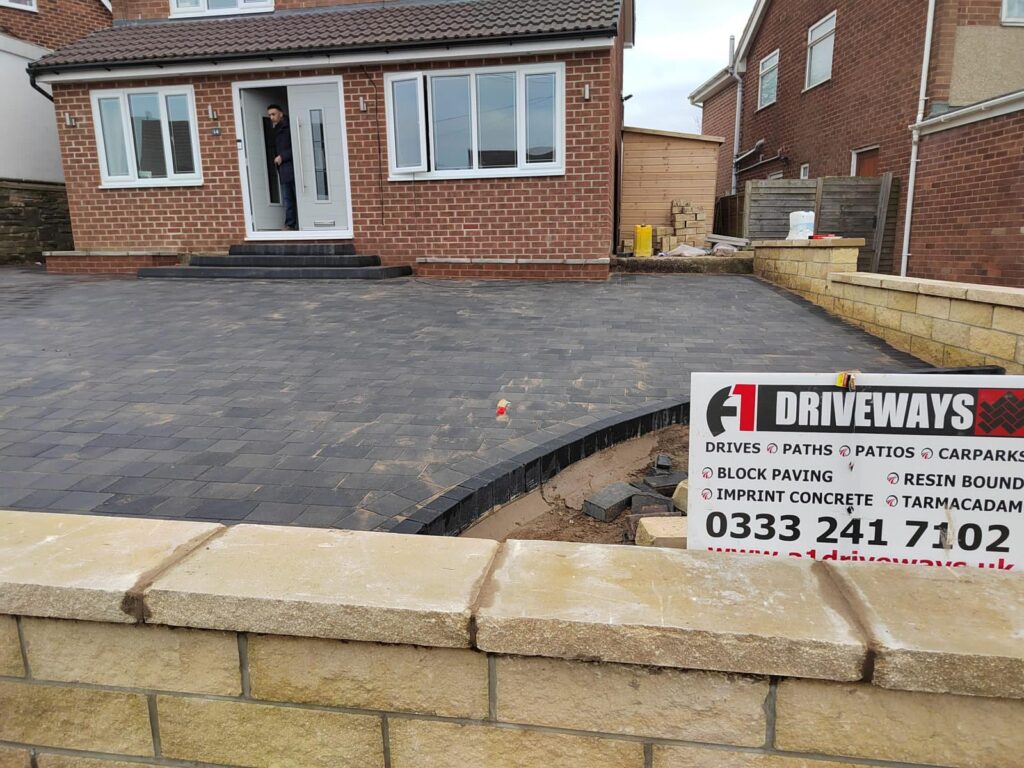
Gravel Driveways – A Practical and Timeless Surface Solution
Gravel Driveways continue to be a popular choice for homeowners and property managers who want an attractive, cost-effective, and practical driveway surface. With their natural appearance, excellent drainage properties, and flexible design options, gravel driveways suit a wide range of property styles, from traditional homes to modern developments.
In areas like Bradford and surrounding locations, gravel remains a reliable option for driveways, pathways, and access areas. This detailed guide explains what gravel driveways are, their benefits, installation process, and how they compare to alternatives such as resin surfaces.
What Are Gravel Driveways?
A gravel driveway is made using loose stones laid over a prepared sub-base. These stones can vary in size, colour, and texture, allowing for a highly customisable finish. Popular gravel types include limestone, pea gravel, crushed stone, and decorative aggregates.
When installed correctly, gravel forms a stable surface that allows water to drain naturally into the ground, reducing surface water and puddling.
Why Gravel Driveways Remain a Popular Choice
Natural and Versatile Appearance
Gravel provides a timeless, natural look that blends well with gardens, greenery, and rural or suburban surroundings. The wide choice of stone colours allows homeowners to match or contrast with their property exterior.
Cost-Effective Installation
Compared to many other driveway materials, gravel is one of the most affordable options. The materials are widely available, and installation is generally quicker and less labour-intensive than block paving or concrete.
Excellent Drainage Performance
One of the biggest advantages of gravel is its permeability. Rainwater drains straight through the surface, reducing the risk of standing water and helping prevent surface flooding.
Key Benefits of Gravel Driveways
Environmentally Friendly
Because gravel allows water to soak naturally into the ground, it supports sustainable drainage systems. This makes it an environmentally conscious choice for many properties.
Flexible and Adaptable
Gravel driveways can be easily extended, reshaped, or repaired. If a section becomes worn, additional gravel can be added without replacing the entire surface.
Low Initial Maintenance
While gravel does require some upkeep, such as occasional raking and topping up, it does not crack or sink like some hard surfaces when installed with proper groundwork.
Strong Load-Bearing Capability
With the correct sub-base and edging, gravel driveways can support cars, vans, and light commercial vehicles without issue.
Residential and Commercial Uses
Home Driveways
Gravel driveways are ideal for residential properties, especially those with larger drive areas. They create a welcoming entrance while remaining practical and affordable.
Garden Paths and Access Ways
Gravel is commonly used for garden paths and walkways, providing a decorative yet functional surface that integrates well with outdoor spaces.
Rural and Commercial Properties
For farms, estates, and commercial yards, gravel offers a durable and cost-efficient solution for access roads and parking areas.
Gravel Driveways vs Other Driveway Options
Gravel vs Block Paving
Block paving offers a structured, decorative finish but requires more maintenance due to joint movement and weed growth. Gravel provides a more natural appearance with lower upfront costs.
Gravel vs Tarmac
Tarmac delivers a smooth, solid surface but lacks the visual flexibility of gravel. Gravel is easier to modify and repair, making it suitable for evolving property needs.
Gravel vs Resin Surfaces
While gravel is loose by nature, resin offers a bonded alternative that maintains the look of stone without movement. Many property owners consider Resin Driveways Bradford when seeking a smoother, more contemporary finish while retaining excellent drainage performance.
Installation Process Explained
Ground Preparation
The foundation of a successful gravel driveway lies in proper groundwork. This includes excavation, installing a strong sub-base, and compacting the surface to prevent movement. Optional Driveway Grid can also be incorporated to stabilize the gravel and prevent rutting under vehicle traffic.
Edging Installation
Edging is crucial to keep gravel contained. Options include stone kerbs, metal edging, or block borders, which help maintain shape and reduce stone migration.
Laying the Gravel
The chosen gravel is spread evenly across the prepared area to the required depth. Multiple layers may be used for improved stability and appearance.
Design Options and Customisation
Gravel driveways offer extensive design flexibility. Property owners can choose from various stone sizes and colours to create a unique finish. Combining gravel with borders, stepping stones, or contrasting paths can enhance visual appeal.
Different gravel blends can also be used to define parking areas, walkways, or entrance features.
Maintenance Tips for Gravel Driveways
Regular maintenance helps keep gravel driveways looking neat and functional. Occasional raking redistributes stones evenly, while topping up gravel compensates for natural displacement over time.
Weed membranes beneath the surface reduce weed growth, and edging helps keep gravel contained during vehicle movement.
Why Professional Installation Is Important
Although gravel driveways may appear simple, professional installation ensures long-term performance. Incorrect groundwork can lead to sinking, uneven surfaces, or drainage issues.
Experienced contractors understand soil conditions, correct base depths, and edging techniques, resulting in a driveway that remains stable and visually appealing.
With a commitment to quality workmanship and reliable service, a1 driveways delivers professionally installed gravel solutions tailored to individual property requirements.
Contact Information
Address:
40 Edderthorpe St, Bradford BD3 9RA, United Kingdom
Phone:
+44 1274 028102
Email:
info@a1driveways.uk
Conclusion
Gravel driveways remain a smart and versatile choice for property owners seeking affordability, natural aesthetics, and effective drainage. Their flexibility, ease of repair, and timeless appeal make them suitable for both residential and commercial settings.
For those who prefer a smoother, bonded alternative with a modern finish, resin surfaces are also worth considering. Whichever option is chosen, proper installation is key to achieving a durable and attractive result.
Recommended: Find out the best ready mix concrete companies near cleveland ohio.
FAQs – Gravel Driveways
How long do gravel driveways last?
With proper installation and maintenance, gravel driveways can last many years and are easy to refresh when needed.
Do gravel driveways require a lot of maintenance?
Maintenance is minimal but includes occasional raking and topping up gravel over time.
Is gravel suitable for heavy vehicles?
Yes, when installed on a strong sub-base, gravel can support cars and light commercial vehicles.
Does gravel help with drainage?
Yes, gravel is naturally permeable and allows rainwater to drain directly into the ground.
Can gravel be combined with other driveway materials?
Yes, gravel is often combined with edging, paving, or resin-bound sections for added stability and visual appeal.
Read more articles at Jinvarlina