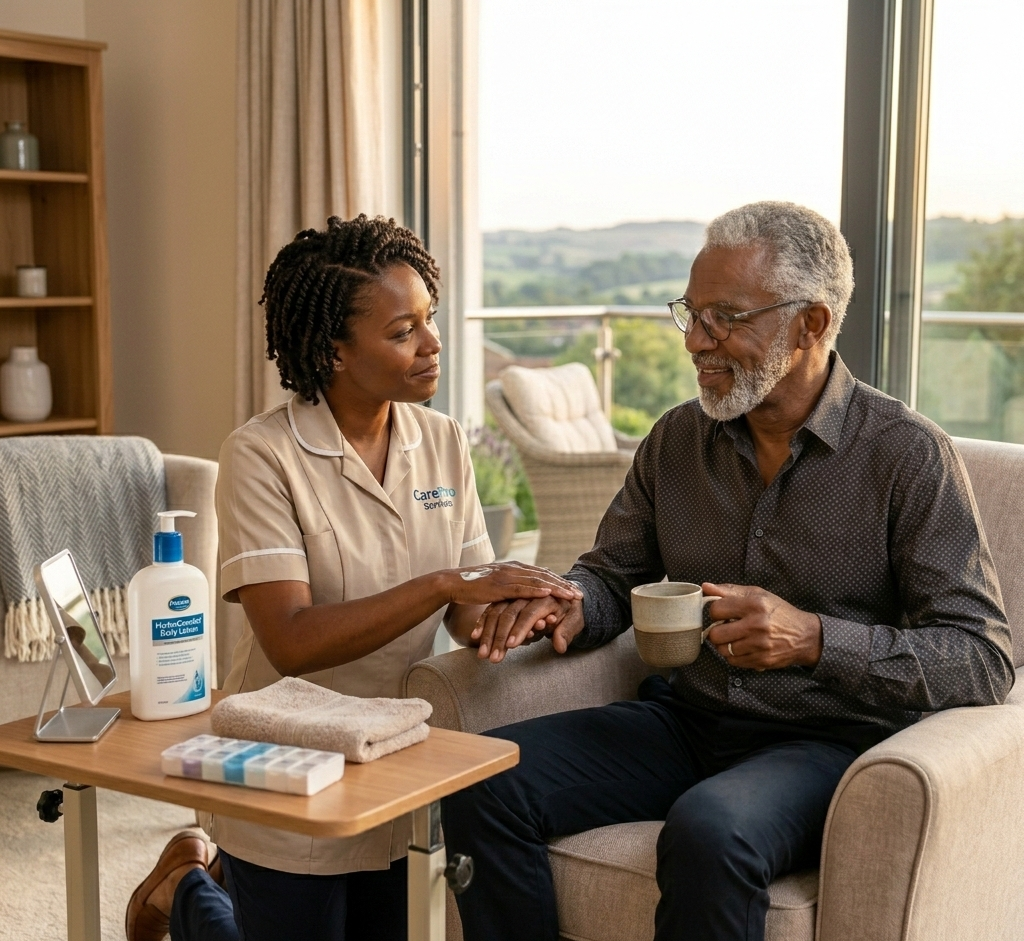
A home that once felt completely safe can gradually become challenging as mobility, balance, and memory change. Many families try to solve risks with grab bars or medication boxes, yet daily support often matters more than equipment alone. Personal care focuses on the human side of safety—guiding routines, watching for hazards, and offering steady assistance so seniors can continue living comfortably without unnecessary danger. Understanding how professional personal care services transform home safety helps families make informed decisions about protecting their loved ones while preserving independence and dignity.
1) Reducing Fall Risks Through Daily Support
Falls remain one of the leading causes of injury for older adults, with one in four Americans over 65 experiencing a fall each year. Even familiar spaces can become risky when strength or vision declines. Gentle assistance with everyday movement makes a meaningful difference in preventing these devastating accidents.
Support can include help getting in and out of the shower, steadying assistance on stairs, guidance when standing from chairs, ensuring proper footwear, and keeping pathways clear. These small actions prevent accidents that often lead to long recoveries, hospitalization, and sometimes permanent loss of independence.
The bathroom represents the most dangerous room in most homes. Slippery floors when wet, the need to step over high tub edges, and balancing while washing create perfect conditions for falls. Personal care providers offer physical support during these vulnerable moments, dramatically reducing risk. Their presence means seniors don’t rush through bathing out of fear, allowing thorough hygiene without anxiety.
Stairs, even a single step, become hazards as balance deteriorates. Personal care assistance during stair navigation—whether ascending to bedrooms or descending to basements—prevents the tumbles that break hips and end independent living. Caregivers also ensure handrails are used properly and that seniors take stairs at safe speeds rather than hurrying.
Transitions from sitting to standing cause many falls as blood pressure drops or muscles fail to respond quickly. Having someone present during these movements provides both physical support and confidence. Caregivers position themselves to catch or steady, preventing falls that occur during the vulnerable seconds when seniors rise from chairs, beds, or toilets.
Footwear matters more than most families realize. Personal care providers ensure seniors wear supportive, properly fitted shoes rather than loose slippers or going barefoot. They also monitor for worn soles that reduce traction and advocate for appropriate footwear that protects rather than endangers.
Environmental awareness by caregivers prevents falls before they happen. They notice and remove throw rugs that bunch, clear clutter from walking paths, ensure adequate lighting, and identify hazards that residents no longer see or remember to address. This vigilant observation creates increasingly safer environments.
2) Creating Safer Personal Hygiene Routines
Bathrooms are common places for injuries, yet maintaining hygiene remains essential to health and dignity. Slippery floors, high tub walls, and rushing to finish tasks can create hazards. Having someone present brings calm and confidence that transforms hygiene from a dangerous ordeal to a comfortable routine.
Caregivers help by preparing a safe bathing space—testing water temperature to prevent scalding, laying down non-slip mats, gathering supplies within reach, and ensuring proper lighting. This preparation eliminates the fumbling and stretching that cause accidents.
Monitoring water temperature protects seniors whose decreased sensation might not register dangerously hot water until burns occur. Caregivers ensure baths and showers remain comfortably warm without risk of injury.
Watching for skin changes or bruises during hygiene assistance allows early detection of pressure sores, circulation problems, or unexplained injuries. This observation often catches issues before they become serious medical problems requiring hospitalization.
The psychological safety of having help available reduces the anxiety many seniors feel about bathing. Fear of falling in the shower keeps many from maintaining proper hygiene. Personal care eliminates this fear, allowing regular bathing that prevents infections and preserves dignity.
Assisting with grooming and dressing prevents the frustration and imbalance that leads to falls. Bending to put on shoes, reaching behind to fasten clothing, or standing on one leg to step into pants all challenge declining balance. Personal care support makes these tasks safe while preserving as much independence as possible.
3) Medication Management That Protects Health
Confusing schedules or poor eyesight can lead to missed or doubled doses of critical medications. Consistent reminders and observation keep treatment plans on track. Proper medication routines reduce dizziness, confusion, and other side effects that might otherwise cause falls or hospital visits.
The average senior takes four to five prescription medications daily, each with specific timing, food requirements, and potential interactions. Managing this complexity overwhelms even sharp minds. Personal care providers organize medications, provide timely reminders, and observe for side effects or adverse reactions.
Medication errors at home are alarmingly common and dangerous. Taking medications twice because of forgotten earlier doses can cause life-threatening problems. Skipping doses allows conditions to worsen. Mixing medications incorrectly creates dangerous interactions. Personal care oversight prevents these errors systematically.
The safety benefits extend beyond correct dosing. Many medications cause dizziness, drowsiness, or balance problems—all increasing fall risk. Caregivers monitor for these effects and adjust timing or activities accordingly. If morning blood pressure medication causes lightheadedness, caregivers ensure seniors sit for appropriate periods before standing.
Coordinating with pharmacies and healthcare providers ensures prescriptions are filled on time and that any questions about medications receive proper answers. This communication prevents gaps in treatment that could cause health crises.
4) Early Awareness of Health Changes
Daily interaction allows caregivers to notice subtle shifts that might otherwise go undetected until they become emergencies. Unusual fatigue, changes in appetite, swelling or pain, and mood differences all signal potential problems requiring attention.
Personal care providers see seniors daily, unlike family members who may visit weekly or monthly. This consistency allows detection of gradual changes that are invisible when visits are spaced apart. Slight decrease in appetite over several days, mild confusion increasing gradually, or subtle swelling that worsens slowly all become apparent to observant daily caregivers.
Catching these signs early prevents small issues from turning into emergencies. A urinary tract infection caught early with antibiotics is far preferable to sepsis requiring hospitalization. Mild dehydration corrected immediately prevents the confusion and falls that severe dehydration causes.
Families gain peace of mind knowing someone is paying attention each day. The constant worry about what might be happening when no one is watching lifts when professional caregivers provide daily oversight. Adult children sleep better knowing their parent receives attentive observation.
The communication loop between caregivers, families, and healthcare providers ensures that concerning changes receive appropriate medical attention promptly. This coordination often prevents hospitalizations by addressing problems while they’re still manageable.
5) A Calmer, More Organized Home
Safety is not only physical—it is emotional as well. When meals are prepared, laundry managed, and clutter reduced, seniors feel more secure. A predictable routine lowers anxiety that can lead to rushed decisions or unsafe behavior.
The psychological impact of chaos on safety cannot be overstated. Anxious seniors rush, make poor decisions, and take risks they wouldn’t consider when calm. Personal care creates orderly environments that promote careful, safe behavior.
Organized homes with clear pathways, clean surfaces, and tidy spaces reduce both trip hazards and the stress that comes from living in disorder. Seniors move more confidently through familiar, well-maintained spaces.
Predictable routines reduce confusion and the disorientation that increases accident risk. Knowing meals happen at regular times, medications arrive on schedule, and activities follow familiar patterns creates comfort that supports safe behavior.
Protecting Independence, Not Replacing It
Many older adults worry that accepting help means losing control. In reality, the opposite is true. With the right personal care support, seniors can continue doing what they enjoy while risky tasks are quietly managed in the background. Strategic assistance with specific dangerous activities preserves overall independence by preventing the injuries that actually rob autonomy.
Benefits Families Notice
Fewer emergency calls, better sleep for caregivers, reduced stress during visits, and confidence that a loved one is secure transform family dynamics. Safety becomes a shared effort rather than a constant worry weighing on adult children struggling to balance their own lives with parents’ needs.
A Thoughtful Approach to Aging at Home
Homes hold memories and comfort. The goal of daily personal care assistance is to preserve that feeling while adapting to changing needs. By addressing practical risks with compassion, seniors remain in familiar surroundings without sacrificing wellbeing.
Riverwood Retirement believes that personal care should protect both safety and dignity, helping older adults live in an environment that feels secure, respectful, and truly like home.