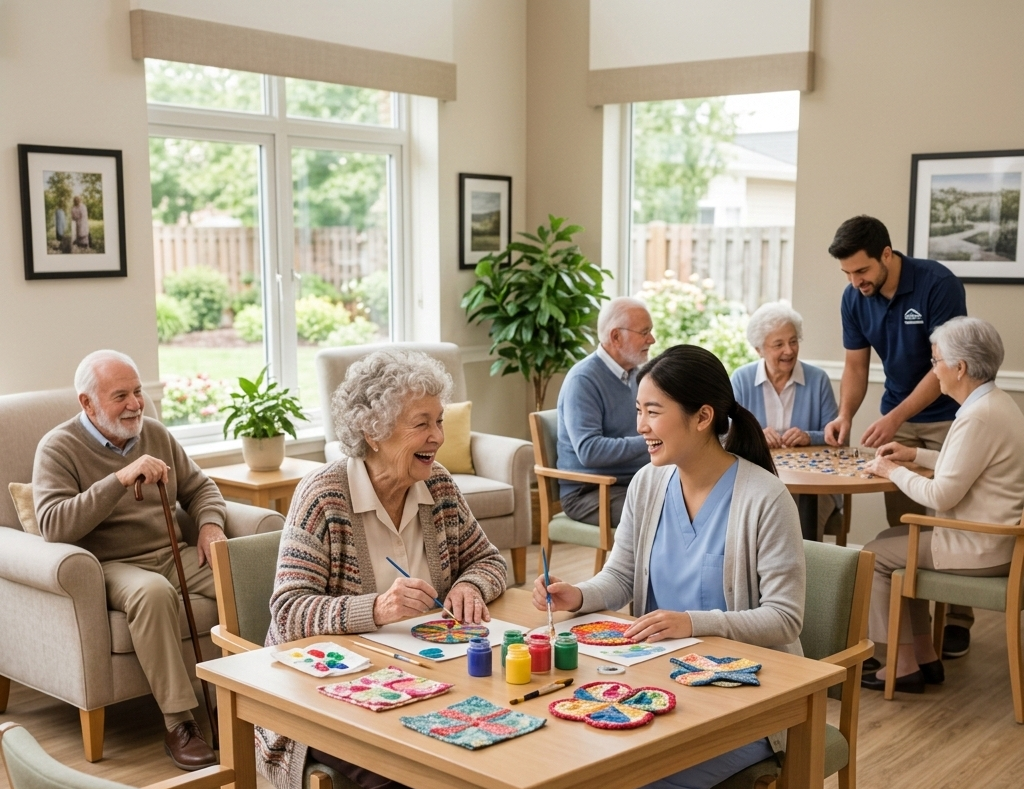
Assisted living often gets defined as a step between living at home and full-time medical care, but its benefits go far beyond simply helping seniors with daily tasks. Today, assisted living communities offer a lifestyle that combines independence, social engagement, wellness support, and safety, creating an environment where older adults can thrive. Many families and seniors are surprised at how much positive impact moving to assisted living can have on physical health, emotional well-being, and overall quality of life.
Maintaining Independence With Support
One of the most common concerns seniors have about assisted living is the fear of losing autonomy. The truth is that well-designed assisted living communities focus on giving residents freedom while providing support where needed.
- Residents manage their own schedules, choose their meals, and participate in activities according to personal interests.
- Assistance is offered only when required, such as help with bathing, medication management, or mobility challenges.
- Seniors retain control over their daily routines while having professionals nearby to step in when necessary.
This balance allows seniors to feel empowered, confident, and independent while enjoying peace of mind knowing support is available at any moment.
A Safe and Comfortable Environment
Safety is a top priority in assisted living. For seniors who are at risk of falls, confusion, or medical emergencies, living alone can be stressful. Assisted living communities provide a controlled environment designed with safety in mind:
- Handrails, non-slip flooring, and emergency call systems reduce accident risks.
- Staff trained in senior care are available around the clock for immediate assistance.
- Wellness checks and monitoring prevent minor issues from turning into serious problems.
Knowing they are safe gives seniors the confidence to enjoy their day-to-day life without anxiety, while families gain reassurance that their loved ones are protected.
Social Engagement and Companionship
Loneliness can have a significant impact on older adults’ mental and physical health. Assisted living combats isolation through structured social opportunities.
- Group meals, clubs, and events help residents form meaningful relationships.
- Shared hobbies and activities encourage conversation and collaboration.
- Seniors can participate at their comfort level, whether attending small groups or larger gatherings.
Regular interaction reduces feelings of isolation, promotes emotional well-being, and creates a sense of community that is often missing when seniors live alone.
Wellness Programs That Support the Whole Person
Assisted living communities provide structured wellness programs designed to keep seniors active, healthy, and engaged. These programs focus on both physical and mental health:
- Gentle exercise classes improve strength, balance, and cardiovascular fitness.
- Memory activities and cognitive exercises help maintain mental sharpness.
- Nutritionally balanced meals ensure proper hydration, vitamins, and overall dietary support.
By participating in these programs, seniors often experience improved energy, reduced stress, and enhanced mood, all contributing to a higher quality of life.
Emotional Support and Peace of Mind
Adjusting to a new living arrangement can be stressful, but assisted living offers emotional support that helps seniors feel valued and included.
- Trained staff provide personalized attention, understanding individual preferences, and encouraging involvement.
- Counseling, social activities, and peer connections support mental health.
- Seniors often regain confidence and joy in daily life, feeling a renewed sense of purpose.
Families also benefit emotionally. Knowing that their loved ones are in a supportive, safe, and engaging environment reduces worry and allows for more meaningful interactions during visits.
Flexibility to Fit Each Resident’s Needs
No two seniors have the same requirements. Assisted living allows for customizable care plans:
- Levels of assistance can increase or decrease as needs change.
- Residents can choose how much help they want with daily living.
- Programs and services are tailored to individual preferences, ensuring each senior feels comfortable and respected.
This flexibility prevents unnecessary stress and allows seniors to continue living a life that feels natural while receiving appropriate support.
Opportunities for Continued Growth and Learning
Many people assume that aging means slowing down, but assisted living encourages residents to continue exploring interests and learning new skills.
- Residents can participate in workshops, classes, and group activities.
- Arts, music, and creative programs allow expression and joy.
- Travel opportunities, community outings, and special events expand experiences beyond the walls of the community.
Remaining intellectually and creatively active supports overall well-being and provides daily purpose.
A Lifestyle That Surprises Seniors and Families Alike
Assisted living is much more than a place for care—it’s a community where seniors can thrive physically, socially, and emotionally. From maintaining independence and safety to enjoying social engagement and wellness programs, assisted living offers surprising benefits that enhance the quality of life in meaningful ways.
At Regency Tuscaloosa, assisted living is designed to combine personalized support with freedom, comfort, and enrichment. Seniors enjoy daily life in a vibrant, safe, and engaging environment, while families gain confidence and peace of mind knowing their loved ones are supported by compassionate professionals who understand their unique needs.