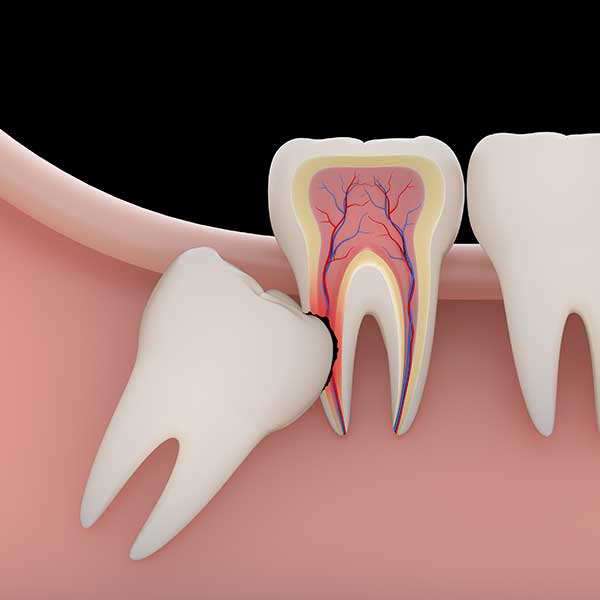
Wisdom teeth are the last set of teeth to grow in the mouth. They usually appear in the late teenage years or early adulthood. For many people, wisdom teeth grow without causing any problem. But for others, they can lead to pain, swelling, infection, and damage to nearby teeth.
When wisdom teeth do not have enough space to grow properly, they may get stuck or grow at the wrong angle. This is when dentists often recommend removal to protect overall oral health. In many cases, wisdom tooth extraction in dubai is advised to prevent future dental issues and maintain a healthy smile.
This article explains wisdom tooth extraction in very simple language. You will learn what it is, why it is needed, its benefits, possible risks, how the procedure is done, recovery tips, and when you should see a dentist. The goal is to help you understand everything clearly so you can make informed decisions about your dental health.
What Are Wisdom Teeth?
Wisdom teeth are the third molars located at the back of the mouth. Most adults can have up to four wisdom teeth:
- Two on the top
- Two on the bottom
They usually appear between the ages of 17 and 25. Some people never develop wisdom teeth, while others may have one, two, three, or all four.
In the past, wisdom teeth were useful for chewing tough foods. But today, our jaws are smaller, and we eat softer foods. Because of this, many people do not have enough space in their mouth for wisdom teeth to grow properly.
Why Wisdom Teeth Often Cause Problems
Wisdom teeth can cause problems when they:
- Grow at an angle
- Get stuck under the gum
- Only partially come out
- Push against nearby teeth
These situations are called impacted wisdom teeth. Impacted teeth are harder to clean and can lead to several dental issues.
Common Problems Caused by Wisdom Teeth
- Pain at the back of the mouth
- Swollen or bleeding gums
- Bad breath
- Difficulty opening the mouth
- Headaches or jaw pain
- Infection around the tooth
- Damage to nearby teeth
- Tooth decay or cavities
When these problems occur, dentists often recommend removing the wisdom teeth.
What Is Wisdom Tooth Extraction?
Wisdom tooth extraction is a dental procedure where one or more wisdom teeth are removed from the mouth. The procedure is done by a dentist or oral surgeon.
Depending on the position of the tooth, the extraction can be:
- Simple extraction – when the tooth has fully come out
- Surgical extraction – when the tooth is impacted or under the gum
The dentist will examine your mouth, take X-rays, and decide the best approach.
When Is Wisdom Tooth Extraction Recommended?
Dentists may suggest removing wisdom teeth in the following situations:
1. Pain and Discomfort
Ongoing pain at the back of the mouth is a common sign that wisdom teeth need attention.
2. Infection or Swelling
If bacteria get trapped around a partially erupted wisdom tooth, it can cause infection and swelling.
3. Tooth Decay
Wisdom teeth are hard to clean, which increases the risk of cavities.
4. Gum Disease
Food and bacteria can collect around wisdom teeth, leading to gum problems.
5. Damage to Nearby Teeth
Growing wisdom teeth can push against neighboring teeth, causing misalignment or damage.
6. Cysts or Jaw Problems
In rare cases, impacted wisdom teeth can cause cysts that damage the jawbone.
Benefits of Wisdom Tooth Extraction
Removing problematic wisdom teeth offers many benefits for long-term oral health.
1. Pain Relief
Extraction removes the source of pain and discomfort, helping you feel better quickly.
2. Reduced Risk of Infection
Once the tooth is removed, the chance of repeated infections is greatly reduced.
3. Better Oral Hygiene
It becomes easier to clean your teeth properly without wisdom teeth in the way.
4. Protection of Nearby Teeth
Extraction prevents damage, crowding, or decay in nearby healthy teeth.
5. Improved Gum Health
Removing wisdom teeth helps keep gums healthy and reduces inflammation.
6. Prevention of Future Problems
Early removal can prevent serious dental issues later in life.
Risks of Wisdom Tooth Extraction
Like any medical or dental procedure, wisdom tooth extraction has some risks. However, most risks are minor and temporary.
Common Risks
- Swelling
- Mild pain or discomfort
- Bleeding for a short time
- Jaw stiffness
Less Common Risks
- Dry socket (when the blood clot is lost)
- Infection
- Temporary numbness of lips or tongue
- Damage to nearby teeth or nerves
Dentists take great care to reduce these risks. Following aftercare instructions helps ensure smooth healing.
How the Procedure Is Done
Understanding the steps can help reduce fear or anxiety.
Step 1: Examination
The dentist examines your mouth and takes X-rays to see the position of the wisdom teeth.
Step 2: Anesthesia
Local anesthesia is commonly used to numb the area. In some cases, sedation may be given to help you relax.
Step 3: Tooth Removal
- For simple extraction, the tooth is loosened and removed.
- For surgical extraction, a small cut may be made in the gum, and the tooth may be removed in pieces.
Step 4: Cleaning and Stitching
The area is cleaned, and stitches may be placed if needed.
Step 5: Recovery Instructions
You will receive clear instructions on how to care for your mouth after the procedure.
What to Expect After Extraction
Recovery is usually smooth, especially when aftercare steps are followed properly.
First 24 Hours
- Mild bleeding is normal
- Swelling may increase slightly
- Rest is important
First Few Days
- Pain and swelling gradually reduce
- Soft foods are recommended
- Mouth should be kept clean gently
Most people return to normal activities within a few days.
Recovery Tips for Faster Healing
Following these tips can help speed up recovery:
- Rest for the first day
- Apply ice packs to reduce swelling
- Take prescribed medications as directed
- Eat soft foods like soup, yogurt, and mashed vegetables
- Avoid smoking and alcohol
- Do not use straws
- Avoid touching the extraction site
- Rinse gently with salt water after 24 hours
Good aftercare plays a big role in preventing complications.
Signs You Should Contact a Dentist After Extraction
While mild discomfort is normal, you should contact a dentist if you notice:
- Severe pain after a few days
- Excessive bleeding
- Fever
- Bad taste or smell from the mouth
- Swelling that worsens
- Numbness that does not improve
Early attention helps prevent further problems.
Is Wisdom Tooth Extraction Always Necessary?
Not everyone needs their wisdom teeth removed. If the teeth:
- Are fully grown
- Are healthy
- Do not cause pain
- Are easy to clean
- Do not affect nearby teeth
Then removal may not be needed. Regular dental check-ups help monitor wisdom teeth over time.
Importance of Early Evaluation
Early dental evaluation allows dentists to detect potential issues before they become serious. Removing wisdom teeth at a younger age often leads to easier recovery and fewer complications.
This is why regular dental visits are important, even if you do not feel pain.
Wisdom Tooth Extraction and Long-Term Oral Health
Wisdom tooth extraction is often a preventive step. By removing problematic teeth early, you can:
- Avoid repeated infections
- Protect jaw health
- Maintain straight teeth
- Improve comfort while eating and speaking
Proper care after extraction ensures lasting oral health benefits.
Common Myths About Wisdom Tooth Extraction
Myth 1: Extraction Is Very Painful
Modern anesthesia and techniques make the procedure comfortable.
Myth 2: Everyone Must Remove Wisdom Teeth
Only problematic wisdom teeth need removal.
Myth 3: Recovery Takes a Very Long Time
Most people heal within a few days.
Myth 4: Wisdom Teeth Are Useful
In most modern diets, wisdom teeth are not necessary.
Choosing the Right Dental Care in Dubai
Dubai offers advanced dental care with modern technology and experienced professionals. Proper diagnosis, skilled treatment, and clear guidance make wisdom tooth extraction a safe and effective procedure.
Choosing an experienced dentist ensures:
- Accurate evaluation
- Gentle procedure
- Clear aftercare support
- Reduced risks
Conclusion
Wisdom tooth extraction is a common and often necessary dental procedure. It helps relieve pain, prevent infection, and protect overall oral health. While there are some risks, they are usually minor and manageable with proper care and professional guidance.
If you are experiencing discomfort or have been advised to remove your wisdom teeth, seeking expert advice is important. An experienced dental professional can guide you through the process and ensure safe treatment. For patients considering wisdom tooth extraction dubai, consulting a qualified specialist such as Dr. Philippe Chanavaz’s can help ensure the best possible care and long-term oral health.
Understanding the risks and benefits allows you to make confident decisions and maintain a healthy, comfortable smile for years to come.