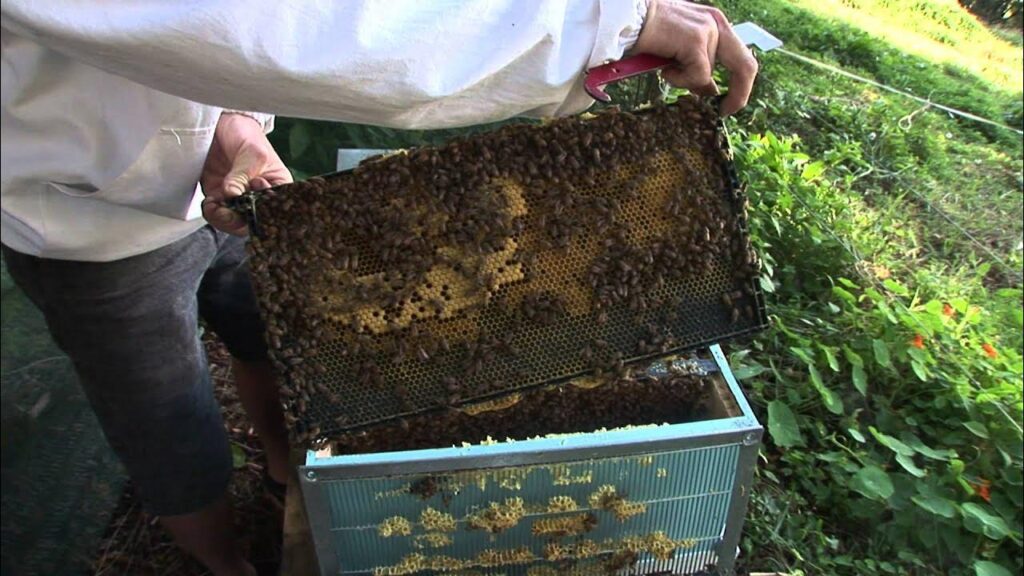
Bee activity around residential areas often increases due to environmental factors, availability of shelter, and food sources. Yard clutter, in particular, provides ideal conditions for nesting because it mimics natural cavities and sheltered environments bees seek in the wild. Untidy piles of wood, gardening tools, unused furniture, or overgrown vegetation offer protected spaces that reduce exposure to wind, predators, and temperature fluctuations. Understanding why bees are attracted to these areas helps homeowners implement strategies to reduce risk while maintaining safe coexistence. This article explores the behavioral tendencies of bees, the risks associated with cluttered yards, and practical solutions for managing spaces effectively. It also emphasizes the importance of professional interventions when necessary, providing insights for homeowners who wish to maintain safe, orderly outdoor environments during peak bee activity.
Bees naturally seek secure and stable environments to build colonies, especially when their foraging areas are nearby. Seasonal patterns dictate when bees actively scout for nesting sites, and cluttered yards provide both shelter and proximity to resources. By recognizing patterns in bee behavior and nesting preferences, property owners can proactively modify environments to discourage infestations. Integrating preventative maintenance, habitat awareness, and professional support ensures residential safety while preserving local pollinator populations.
Bee Nesting Behavior in Residential Areas
Bees select nesting sites based on environmental stability, safety, and proximity to food and water sources. In natural habitats, cavities in trees, hollow logs, and rock crevices provide protection and insulation. Residential yards often replicate these conditions unintentionally through cluttered spaces, dense shrubbery, or stored materials. Bees prefer areas that offer concealment, easy access, and microclimates conducive to colony survival.
Seasonal activity patterns are crucial to understanding nesting behavior. In spring and early summer, scout bees search extensively for optimal locations to establish new colonies. Yard clutter provides multiple hiding spots, especially if combined with minimal disturbance or low human activity. These spaces protect nests from weather fluctuations, including excessive heat, cold, or rain, improving survival rates.
Additionally, certain bee species display preference for sheltered, shaded areas where airflow is reduced. Piles of unused equipment, stacked firewood, or overgrown garden corners replicate these environmental features. Homeowners who maintain clear, organized yards inadvertently reduce attractive nesting sites, illustrating the direct connection between yard management and bee activity mitigation.
Risks Associated with Yard Clutter
Accumulated yard clutter increases the likelihood of bee colonies establishing in residential areas, posing potential safety and property risks. Bees, while generally non-aggressive, will defend nests if threatened, resulting in stings or allergic reactions for residents. Children, pets, and vulnerable individuals face increased risk when cluttered areas remain undisturbed.
Beyond human safety, cluttered yards complicate routine landscaping and maintenance, creating environments conducive to additional pests. Rodents, snakes, and insects often coexist with bee colonies, further elevating health and structural risks. Over time, persistent nests can damage stored materials, wood piles, or garden infrastructure, necessitating costly repairs or replacements.
Unmanaged clutter also makes identification of early nesting activity more difficult. Bees may establish colonies undetected, increasing the risk of sudden infestation escalation. Prompt recognition and proactive measures prevent complications, ensuring that outdoor spaces remain safe and enjoyable. Homeowners benefit from maintaining clean, organized yards, regularly inspecting potential nesting areas, and understanding seasonal patterns influencing bee behavior.
Effective Strategies to Manage Yard Clutter
Reducing bee activity requires a combination of organizational, landscaping, and environmental strategies targeting cluttered areas. First, homeowners should regularly clear yard clutter, removing unused tools, broken furniture, and excess construction materials. Storing essential items in enclosed, weatherproof spaces minimizes exposure while maintaining accessibility.
Proper landscaping practices further mitigate nesting risks. Pruning dense vegetation, maintaining airflow, and eliminating low-lying sheltering spots discourage bees from considering yard spaces for colonies. Mulching and hardscaping provide aesthetically pleasing alternatives to cluttered, unkempt areas while reducing habitat suitability for nesting bees.
Water management also plays a role in reducing bee attraction. Bees require hydration; therefore, limiting standing water, puddles, or over-irrigated areas decreases the attractiveness of outdoor spaces. Combining these strategies creates an integrated approach that reduces nesting potential without resorting to chemical deterrents, preserving local pollinator populations.
For persistent or established nests, homeowners should consider professional assistance. A bee removal service in Glendale, LA offers specialized expertise in safely relocating colonies without causing harm to humans or bees. Professionals evaluate the size, species, and location of nests, providing solutions that maintain ecological balance while ensuring residential safety. Integrating professional guidance with proactive yard management supports long-term effectiveness in controlling bee activity around cluttered areas.
Long-Term Prevention and Sustainable Yard Management
Maintaining a bee-free yard requires ongoing commitment to organization, landscaping, and environmental awareness. Seasonal inspections identify emerging nesting tendencies before colonies establish permanent structures. Regularly clearing yard clutter, ensuring proper ventilation, and minimizing hidden spaces reduces nesting opportunities significantly. Homeowners should implement a systematic approach, documenting yard maintenance routines and monitoring bee activity patterns. Educating family members on the importance of tidy outdoor spaces ensures consistent application of preventative strategies. Additionally, integrating pollinator-friendly zones away from residential structures preserves ecological benefits while directing bees to safer, less intrusive areas.
Material choices in yard storage and landscaping further influence long-term effectiveness. Weather-resistant, enclosed storage units reduce shelter availability for insects while maintaining aesthetic cohesion with the yard. Sustainable landscaping practices, such as selecting native plants strategically, balance environmental stewardship with practical risk management. Proactive and consistent yard management strengthens residential resilience against bee infestations while supporting environmental responsibility. By combining clutter reduction, professional consultation, and ecological planning, homeowners can maintain safe, functional, and attractive outdoor spaces throughout the year. A thoughtful, integrated approach ensures that both human and pollinator needs are respected, reducing conflicts and enhancing yard usability.
Bee Behavior to Reduce Yard Clutter Attraction
An in-depth understanding of bee behavior informs more effective clutter management strategies. Bees rely on environmental cues such as shelter, proximity to food, and minimal disturbance to determine nesting suitability. Yard clutter often unintentionally provides all these conditions simultaneously, making cluttered areas highly attractive. Monitoring bee activity patterns helps homeowners anticipate nesting tendencies. Early detection of scout bees around woodpiles, garden corners, or stored equipment indicates potential colony establishment. Implementing corrective measures promptly, such as clearing debris or trimming vegetation, reduces risk substantially.
Additionally, recognizing seasonal influences allows for timed interventions. Spring and summer require heightened vigilance, whereas winter months offer opportunities for yard organization without disturbing pollinators. Integrating behavioral insights with regular maintenance ensures that yards remain safe and accessible while minimizing negative human-insect interactions.
Ultimately, understanding why bees choose yard clutter and implementing proactive solutions creates safer, more organized residential spaces. Combining observational awareness, maintenance practices, and professional support fosters a harmonious balance between human comfort and environmental stewardship, resulting in effective long-term control of bee nesting around yards.