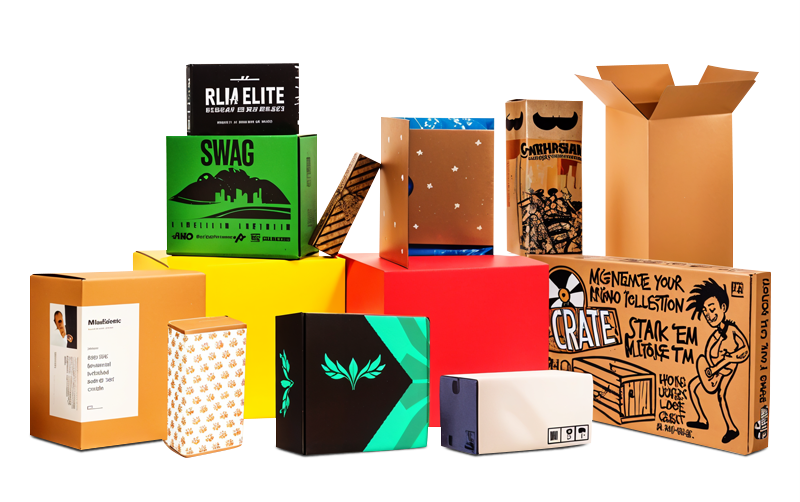
Ordering your first batch of 500 printed boxes feels exciting. It also feels risky. Many new business owners focus on design and price. However, they often miss the small details that matter most.
Below, you will learn what most suppliers never explain clearly. This guide will help you avoid common mistakes and order with confidence.
You Are Not Just Buying Boxes You Are Buying a Brand Experience
When you order packaging for the first time, you may think about cost first. That makes sense. Every new business watches its budget carefully. However, packaging is more than a container. It shapes how customers see your brand.
Your box is often the first physical touchpoint. Before customers try your product, they see and feel the packaging. Therefore, the texture, print quality, and structure all matter. Even small flaws can affect trust.
For example, thin material can bend during shipping. As a result, customers may think your product is cheap. On the other hand, strong and neat packaging builds confidence. It shows care and professionalism.
Color accuracy also plays a big role. The shade you see on your screen may look different in print. That difference can change the feel of your brand. So, always ask for a physical sample before full production.
Moreover, think about the unboxing moment. Many customers share their orders on social media. A well-designed box can turn a simple delivery into free marketing. That is why many brands invest more in presentation.
In addition, clear branding improves recognition. When customers remember your packaging, they remember your business. Over time, this builds loyalty.
So, do not treat your first 500 boxes as a small test. Treat them as a public introduction. Every detail sends a message. Make sure it is the right one.
Minimum Order Quantity Is Not Always Flexible
Many suppliers advertise low minimum orders. However, the real number often depends on size, material, and printing style. When you request changes, the minimum can increase quickly.
For example, digital printing may allow smaller runs. In contrast, offset printing usually requires higher volumes. That is because setup costs are higher. Plates must be prepared. Machines need adjustment. These steps cost money before printing even starts.
Therefore, 500 boxes may already be close to the lowest practical quantity. If you request special coatings or foil stamping, the supplier may ask for more units. This surprises many first-time buyers.
It is also important to understand price breaks. The cost per box often drops when you order more. So, 500 boxes might cost almost the same as 700. In that case, ordering extra could save money in the long run.
However, do not rush into larger quantities without checking storage space. Boxes take room. If you run a small operation from home, storage can become a problem.
Another hidden factor is reordering. Some suppliers change prices based on material costs. If paper prices rise, your next order may cost more. Therefore, ask whether your quote is locked for future orders.
Before you confirm anything, request a clear breakdown. Ask about setup fees, printing method, and extra charges. This step protects you from unexpected costs.
When you understand minimum order rules, you make smarter decisions. You also avoid delays and budget stress.
Artwork Files Must Be Print Ready or You Will Face Delays
Designing a box is exciting. Yet, many new business owners underestimate technical requirements. A beautiful design on your laptop does not mean it is ready for print.
Printers usually require vector files. They also require correct bleed and margin settings. If your file lacks these, the edges may cut off important text or logos. As a result, your packaging can look unprofessional.
Color mode is another common issue. Screens use RGB colors. Printing uses CMYK colors. If you send RGB files, the printed colors may look dull or different. Therefore, always convert files properly before submission.
Resolution also matters. Images should be at least 300 DPI. Lower resolution creates blurry prints. Once printed, this mistake cannot be fixed.
Many suppliers offer design checks. However, some charge extra for adjustments. That is why you should confirm file guidelines in advance. Ask for a dieline template. This template shows exact fold and cut lines.
Moreover, review your text carefully. Spelling errors on packaging damage credibility. Unlike digital content, printed mistakes are permanent. So, double-check everything.
If you feel unsure, hire a professional designer. It may cost more at first. However, it prevents expensive reprints later.
Your first 500 boxes represent your brand publicly. Therefore, invest time in preparing artwork correctly. Good preparation saves money and stress.
Material Choice Impacts Cost Durability and Customer Perception
Material selection shapes both price and performance. Many new buyers focus only on appearance. However, strength and thickness matter just as much.
Cardboard comes in different grades. Some are lightweight and suitable for small items. Others are strong and designed for shipping heavy products. If you choose the wrong type, damage can occur during delivery.
Corrugated board provides extra protection. It works well for e-commerce brands. On the other hand, folding cartons look elegant for retail shelves. Therefore, your sales channel should guide your choice.
Coatings also influence perception. Matte finishes feel smooth and modern. Gloss finishes look shiny and vibrant. Each creates a different brand mood.
Furthermore, eco-friendly materials attract many customers today. Recyclable and biodegradable options show responsibility. However, they sometimes cost more. So, balance your budget with your brand values.
Weight affects shipping fees too. Heavier boxes increase courier costs. Therefore, test the balance between protection and weight.
Before placing your full order, request samples of different materials. Feel them. Test them. Place your product inside and check the fit.
The right material protects your goods and strengthens your image. The wrong one creates returns and complaints. Therefore, choose carefully and think long term.
Hidden Costs Can Change Your Total Budget Quickly
When you first request a quote, the price may look simple. However, several hidden costs often appear later. If you do not ask early, your budget can increase fast.
Common additional costs include:
- Plate or setup charges for offset printing
- Die-cut mold fees for custom shapes
- Shipping and freight charges
- Taxes and import duties for overseas production
- Storage fees if production finishes early
These costs may not appear in the first message. Therefore, request a full written quotation. Make sure it includes everything from production to delivery.
Shipping costs especially surprise first-time buyers. Large cartons occupy space. Freight companies charge by volume and weight. So, even lightweight boxes can cost a lot to transport.
If you order from overseas, customs delays may occur. Duties and clearance fees vary by country. That is why working with an experienced supplier helps.
In addition, payment terms matter. Some suppliers require full payment upfront. Others accept partial deposits. Confirm the schedule before production begins.
Clear communication prevents misunderstandings. Ask direct questions. Request written confirmation. This approach keeps your budget under control.
When you understand the full cost structure, you avoid unpleasant surprises. Planning ahead protects your cash flow.
Production Timelines Are Often Longer Than You Expect
Many first-time buyers assume printing takes only a few days. In reality, the process involves several stages. Each stage requires time and coordination.
First, artwork approval must be completed. Then, printing plates or digital files are prepared. After that, printing begins. Finally, cutting, folding, and finishing take place.
If you request special features like embossing or foil stamping, production takes longer. These steps require separate processes.
Shipping time adds more days or weeks. International freight can take a month by sea. Air shipping is faster but more expensive.
Delays may also occur during busy seasons. Holidays often increase demand. Therefore, always plan ahead.
As a rule, add extra buffer time. If you need boxes in six weeks, start planning at least eight weeks earlier. This safety margin protects your launch schedule.
Communication with your supplier is essential. Request a production timeline in writing. Ask for updates during manufacturing.
Rushing production often leads to mistakes. Therefore, avoid last-minute orders whenever possible.
Your first order sets the foundation for future production cycles. Good planning ensures smooth operations and steady growth.
Quality Control Is Your Responsibility Too
Many new business owners assume the supplier checks everything perfectly. However, quality control works best when both sides stay involved.
Before mass production, request a sample or prototype. Inspect it carefully. Check color accuracy, alignment, and material strength. Test how your product fits inside.
During production, some suppliers provide photos or videos. This step increases transparency. It also builds trust.
When the boxes arrive, inspect random units from different cartons. Look for printing errors or damage. If you find issues, report them immediately.
Do not wait until you use all boxes. Early communication improves your chances of resolution.
Keep records of approved samples and final specifications. These documents help with future reorders. They also reduce confusion.
Quality packaging protects your brand image. Therefore, stay involved throughout the process.
Small Design Decisions Can Increase Long Term Value
Your first order may feel like a simple test. However, smart decisions now can save money later. Small changes often create big impact.
For example, standard sizes reduce die costs. Simple structures lower assembly time. Fewer colors decrease printing expenses.
If you plan to scale, design packaging that works for future variations. Leave space for updated labels or product extensions. This flexibility reduces redesign costs.
Also, consider storage and shipping efficiency. Boxes that stack well reduce warehouse space. Compact designs lower freight expenses.
Many growing brands invest early in Custom Printed Boxes to build strong identity. However, they also focus on practicality. Beauty and function must work together.
Think about repeat orders. Choose a supplier who maintains consistent quality. Building a long-term relationship improves reliability and pricing.
Your first 500 boxes mark the beginning of your packaging journey. When you approach the process with knowledge and care, you protect your investment.
In the end, packaging is not just about printing. It is about strategy, planning, and brand growth. When done right, it becomes a silent salesperson for your business.
Final Thoughts
Ordering your first 500 printed boxes is a learning experience. At first, the process may feel simple. However, once you explore details, you see many moving parts. Design, material, cost, and timing all connect closely.
Most first-time buyers focus on price alone. Yet, smart business owners think beyond that. Packaging affects brand trust. It shapes customer experience. It also influences repeat purchases. Therefore, every small decision carries weight.
Preparation makes the biggest difference. When you understand file requirements, you prevent printing mistakes. When you review material options, you avoid product damage. When you confirm timelines, you protect your launch date. Each step reduces risk.
Clear communication with your supplier is equally important. Ask direct questions. Request written confirmations. Review samples carefully before full production. These habits build confidence and control.
Budget planning should include hidden costs. Shipping, setup fees, and finishing options can increase expenses. So, always calculate the total investment, not just the unit price. This approach protects your cash flow.
Source Link: https://ibexpackaging.com/custom-box/