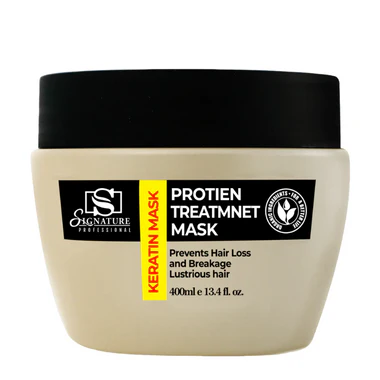
Healthy hair is often seen as a reflection of good grooming and self-care, yet many people struggle with dryness, frizz, breakage, or dullness despite regular washing and conditioning. This is where a hair mask plays an important role. While shampoo cleanses the scalp and conditioner smooths the hair surface, a hair mask goes deeper, delivering intensive nourishment and repair. Understanding what a hair mask is and why your hair needs one can help you build a more effective hair care routine.
What Is a Hair Mask?
A hair mask is a deep conditioning treatment designed to restore moisture, strength, and vitality to the hair. Unlike regular conditioners, hair masks have a richer texture and a higher concentration of beneficial ingredients. These formulations are created to penetrate the hair shaft, addressing internal damage rather than only smoothing the outer layer.
Hair masks are usually applied once or twice a week and left on the hair for a longer period typically 5 to 20 minutes allowing the active ingredients enough time to work. They are suitable for all hair types, though the formulation and frequency of use may vary depending on individual hair needs.
How Hair Masks Work
Hair strands are made up of layers, and daily exposure to heat styling, pollution, chemical treatments, and environmental stress weakens these layers over time. A hair mask works by filling in gaps within the hair structure and coating the strands with nourishing agents that improve elasticity and smoothness.
Most hair masks contain a blend of moisturizing ingredients, proteins, vitamins, and oils. Moisturizers help restore hydration, proteins strengthen weakened strands, and oils seal in moisture while adding shine. Together, these components help repair damage and improve overall hair health.
Key Benefits of Using a Hair Mask
Deep Hydration
One of the primary benefits of a hair mask is intense hydration. Dry hair often feels rough, looks dull, and is prone to breakage. Hair masks replenish lost moisture, making hair softer and more manageable.
Repairing Damage
Heat styling tools, hair coloring, and chemical treatments can weaken hair over time. Hair masks help repair this damage by reinforcing the hair shaft and improving strength, reducing split ends and breakage.
Improved Shine and Smoothness
Regular use of a hair mask enhances the hair’s natural shine. By smoothing the cuticle layer, hair masks reduce frizz and make hair appear healthier and more polished.
Strength and Elasticity
Hair that lacks protein becomes weak and brittle. Many hair masks include strengthening ingredients that restore elasticity, helping hair stretch without breaking.
Better Manageability
Tangled and unruly hair can be frustrating. Hair masks improve manageability, making hair easier to style and reducing the need for excessive heat styling.
Who Should Use a Hair Mask?
Hair masks are beneficial for almost everyone, but they are especially important for people with:
- Dry or dehydrated hair
- Frizzy or coarse hair
- Color-treated or chemically processed hair
- Heat-damaged hair
- Weak or brittle hair
Even individuals with relatively healthy hair can benefit from occasional hair mask use to maintain moisture balance and prevent future damage.
Hair Mask vs Conditioner
Many people wonder whether a hair mask is necessary if they already use a conditioner. While both products improve hair texture, they serve different purposes. Conditioners are designed for frequent use and work mainly on the hair’s surface to smooth and detangle. Hair masks, on the other hand, provide deeper nourishment and long-term repair.
Think of conditioner as daily maintenance and a hair mask as intensive care. Using both in a balanced routine ensures optimal hair health.
How Often Should You Use a Hair Mask?
The frequency of hair mask use depends on your hair type and condition. Dry, damaged, or chemically treated hair may benefit from using a hair mask once or twice a week. Normal or fine hair may only need it once every one to two weeks to avoid weighing the hair down.
It is important to follow product instructions and observe how your hair responds. Overuse can sometimes make hair feel heavy, while underuse may not deliver visible results.
Choosing the Right Hair Mask
Not all hair masks are the same. Selecting the right one depends on your specific hair concerns. Moisturizing masks are ideal for dryness, protein-rich masks help strengthen weak hair, and repair-focused masks target damage from chemical treatments.
Professional-quality products, such as those offered by Signature Professional, are formulated with carefully selected ingredients to deliver salon-like results at home. Choosing a hair mask that aligns with your hair type and concerns ensures better outcomes and healthier-looking hair over time.
Conclusion
A hair mask is more than just an optional step in hair care; it is an essential treatment that supports hydration, repair, strength, and long-term hair health. By penetrating deeper than regular conditioners, hair masks address the root causes of dryness, damage, and dullness. When used correctly and consistently, they can transform the look and feel of your hair, making it softer, shinier, and easier to manage. Incorporating a high-quality hair mask into your routine is a smart investment for anyone seeking healthier hair and searching for the best hair mask in pakistan.