If you are searching for traditional chinese medicine near me or chinese traditional medicine near me, chances are you are curious about acupuncture but unsure of what the first visit involves. For many first-time patients, the idea of acupuncture raises questions about safety, comfort, and effectiveness. Understanding the process ahead of time can help you feel confident and prepared.
At Advanced Chinese Medicine, first acupuncture visits are designed to be thorough, informative, and patient-focused. The goal is not only to treat symptoms, but also to identify the underlying imbalances affecting your overall health.
Step 1: Comprehensive Initial Consultation
Your first acupuncture visit always begins with an in-depth consultation. Unlike brief symptom-based assessments, Traditional Chinese Medicine (TCM) emphasizes understanding the whole person.
During this stage, the practitioner will ask detailed questions about:
- The primary concern or symptoms bringing you in
- Duration and severity of discomfort or pain
- Sleep patterns, digestion, and energy levels
- Stress, mood, and emotional health
- Past medical history and lifestyle habits
This holistic intake helps identify internal imbalances that may not be obvious through symptoms alone. Many people searching for chinese traditional medicine near me are surprised by how personal and detailed this conversation is, but it is essential for effective, customized care.
Step 2: Traditional Chinese Medicine Diagnostic Methods
After discussing your health history, the practitioner applies classic TCM diagnostic techniques. These may include:
- Pulse diagnosis: Feeling pulses at different positions on each wrist to assess organ system balance
- Tongue observation: Examining color, shape, and coating of the tongue for internal clues
- Postural and physical assessment: Observing alignment, tension areas, or restricted movement
These methods allow the practitioner to determine patterns such as Qi stagnation, blood deficiency, inflammation, or organ system weakness. This diagnostic framework is a key reason patients trust Traditional Chinese Medicine for addressing root causes rather than temporary relief.
Step 3: Personalized Treatment Plan Explanation
Once the assessment is complete, your practitioner explains the findings in simple terms. You will learn:
- What imbalance or pattern is contributing to your condition
- How acupuncture can help correct it
- Whether supportive therapies may be beneficial
- Expected treatment frequency and progression
This transparency helps first-time patients feel more comfortable and involved in their own care plan. If you searched for traditional chinese medicine near me hoping for clarity and individualized attention, this stage often exceeds expectations.
Step 4: Preparing for the Acupuncture Session
Before treatment begins, you will be guided to a clean, quiet treatment room. You typically remain fully clothed, although loose-fitting clothing is recommended to allow easy access to arms, legs, back, or abdomen.
The practitioner will confirm the points being used and ensure you are relaxed and positioned comfortably. Acupuncture needles are single-use, sterile, and extremely thin—much finer than injection needles.
Step 5: Acupuncture Needle Placement
During the session, fine needles are gently inserted at selected acupuncture points along the body’s meridians. Sensations vary from person to person and may include:
- A mild tingling or warmth
- A dull pressure
- A brief, barely noticeable pinch
Most patients describe the experience as relaxing rather than painful. Once the needles are in place, you rest quietly for about 20–40 minutes while your body responds to the treatment.
This is the stage where the nervous system begins to regulate, circulation improves, and natural healing responses are activated.
Step 6: Optional Supportive Therapies
Depending on your condition, the first visit may also include supportive TCM therapies, such as:
- Gentle acupressure or Tui Na massage
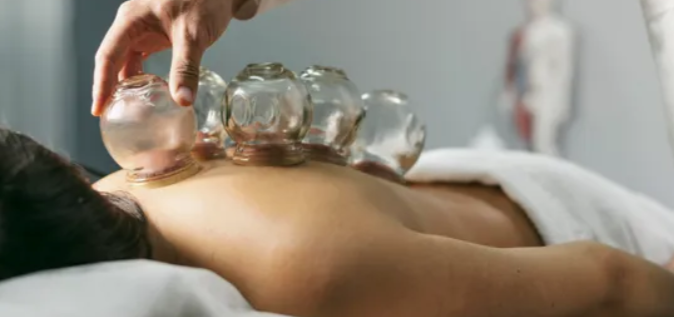
- Cupping for muscle tension or circulation
- Heat therapy or moxibustion for cold or deficient patterns
These techniques are carefully selected to enhance the effect of acupuncture and speed up progress, especially for pain, stress-related conditions, or fatigue.
Step 7: Post-Treatment Discussion and Aftercare Advice
After the needles are removed, you will discuss how you feel and what to expect next. Common immediate responses include deep relaxation, mental clarity, or mild fatigue—all normal signs that the body is adjusting.
You may also receive guidance on:
- Hydration and rest after treatment
- Gentle stretching or movement
- Dietary or lifestyle adjustments
- Recommended follow-up sessions
Traditional Chinese Medicine is cumulative, so consistency plays an important role in achieving lasting results.
Step 8: Planning Follow-Up Visits
For most conditions, especially chronic or long-standing ones, ongoing care is recommended. Your practitioner will outline a realistic schedule based on your specific needs and goals.
Patients looking for chinese traditional medicine near me often appreciate that the treatment plan evolves over time, adjusting as balance is restored and symptoms improve.
Conclusion
Your first acupuncture visit is a structured yet calming experience focused on understanding your body as a complete system. From detailed consultation to personalized treatment, Traditional Chinese Medicine offers a thoughtful, root-focused approach to healing.
At Advanced Chinese Medicine, first-time patients are guided every step of the way, ensuring clarity, comfort, and confidence. If you are searching for traditional chinese medicine near me or chinese traditional medicine near me, knowing what to expect can make your first acupuncture visit the beginning of a balanced and healthier path forward.