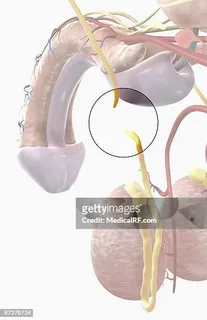
Vasectomy is a highly effective, permanent form of male contraception and is performed millions of times worldwide each year. Modern vasectomy techniques have evolved to prioritize patient comfort, procedural efficiency, and rapid recovery. Among the most impactful advancements is the use of regional nerve block therapy. When integrated into vasectomy care, regional nerve blocks significantly reduce intraoperative discomfort, improve post-operative pain control, and may lower the risk of chronic pain complications.
Understanding vasectomy and regional nerve block therapy helps patients and clinicians appreciate how targeted anesthesia has transformed the vasectomy experience.
Pain Pathways in Vasectomy
Pain during and after vasectomy originates from stimulation of sensory nerves supplying the scrotum, spermatic cord, and surrounding tissues. These include:
- Ilioinguinal nerve
- Genital branch of the genitofemoral nerve
- Posterior scrotal nerves
- Autonomic nerve fibers adjacent to the vas deferens
Traditional local infiltration anesthetizes the skin and superficial tissues but may not adequately block deeper nerve pathways. Regional nerve block therapy targets these pathways more precisely, resulting in more complete and longer-lasting pain control.
What Is Regional Nerve Block Therapy?
Regional nerve block therapy involves injecting local anesthetic near specific nerves to temporarily interrupt pain signal transmission. Unlike general anesthesia, nerve blocks allow patients to remain awake while providing focused, high-quality analgesia.
In vasectomy, regional nerve blocks are used as:
- A primary anesthetic technique
- A supplement to local infiltration
- A preventive measure against post-procedural pain
This targeted approach aligns with nerve-sparing principles and modern minimally invasive surgical care.
Types of Regional Nerve Blocks Used in Vasectomy
Several nerve blocks may be utilized depending on patient anatomy, pain sensitivity, and clinician preference.
Spermatic Cord Block
The spermatic cord block anesthetizes nerves traveling within the spermatic cord. It is one of the most effective nerve blocks for vasectomy.
Benefits include:
- Deep analgesia of the vas deferens
- Reduced need for additional anesthetic injections
- Improved patient comfort during vas manipulation
Ilioinguinal and Iliohypogastric Nerve Blocks
These blocks target nerves supplying the upper scrotum and groin.
They are especially useful for:
- Patients with heightened sensitivity
- Those with prior scrotal or inguinal surgery
- Anxiety-prone individuals
Genitofemoral Nerve Block
Blocking the genital branch of the genitofemoral nerve reduces sensation to the cremasteric muscle and spermatic cord structures.
This helps minimize discomfort during traction or manipulation of the vas deferens.
Advantages of Regional Nerve Block Therapy in Vasectomy
The integration of regional nerve block therapy offers multiple clinical advantages.
Enhanced Intraoperative Comfort
Patients often report little to no sensation during vas isolation and occlusion. Reduced discomfort improves cooperation and lowers procedural stress.
Prolonged Post-Operative Pain Control
Regional nerve blocks can provide analgesia lasting several hours after the procedure, reducing the need for oral pain medications.
Reduced Risk of Chronic Pain
By preventing acute nerve irritation and central sensitization, regional nerve block therapy may lower the risk of post-vasectomy pain syndrome.
Decreased Use of Systemic Medications
Targeted nerve blocks reduce reliance on opioids or sedatives, improving safety and recovery.
Technique and Safety Considerations
Proper technique is essential for safe and effective nerve block therapy.
Ultrasound Guidance
Ultrasound-guided nerve blocks enhance accuracy and reduce complications by allowing visualization of nerve structures, blood vessels, and anesthetic spread.
Anesthetic Selection
Commonly used anesthetics include:
- Lidocaine for rapid onset
- Bupivacaine for longer duration
- Buffered solutions to reduce injection discomfort
The choice depends on desired duration and patient factors.
Volume and Concentration Control
Using the lowest effective anesthetic dose minimizes the risk of systemic toxicity and nerve irritation.
Integration With No-Scalpel Vasectomy
Regional nerve block therapy complements no-scalpel vasectomy techniques exceptionally well.
Combined benefits include:
- Minimal tissue trauma
- Superior pain control
- Lower rates of hematoma and swelling
- Faster return to daily activities
This combination represents a patient-centered, comfort-optimized approach to vasectomy care.
Post-Procedure Benefits and Recovery
Patients receiving regional nerve blocks often experience smoother recovery.
Immediate Post-Procedure Period
- Reduced pain during transport home
- Less need for immediate analgesics
- Lower anxiety related to anticipated discomfort
First 48 Hours
- Better sleep quality
- Reduced inflammation and muscle spasm
- Improved compliance with activity restrictions
These benefits contribute to higher patient satisfaction and confidence in the procedure.
Role in Managing Post-Vasectomy Pain Syndrome
Regional nerve block therapy is not limited to intraoperative use. It also plays a role in treating post-vasectomy pain syndrome (PVPS).
Diagnostic Blocks
Nerve blocks can help identify the source of chronic scrotal pain by temporarily relieving symptoms.
Therapeutic Blocks
Repeated or long-acting nerve blocks may provide sustained relief and delay or prevent the need for surgical intervention.
This dual diagnostic-therapeutic role makes nerve blocks valuable beyond the initial procedure.
Patient Selection and Counseling
Not every patient requires regional nerve block therapy, but certain groups benefit significantly.
Ideal candidates include:
- Patients with high pain sensitivity
- Those with prior scrotal or inguinal surgery
- Individuals with anxiety about pain
- Patients with a history of chronic pain conditions
Pre-procedure counseling helps patients understand what to expect and reassures them about safety and effectiveness.
Risks and Limitations
While generally safe, regional nerve block therapy carries minimal risks.
Potential complications include:
- Temporary numbness beyond the intended area
- Local bruising or hematoma
- Rare allergic reactions
- Very rare nerve injury
When performed by trained clinicians, the incidence of complications is extremely low.
Training and Expertise Requirements
Effective use of regional nerve block therapy requires specific training.
Many urologists now receive instruction in:
- Ultrasound-guided nerve block techniques
- Pain pathway anatomy
- Multimodal analgesia strategies
This specialized expertise reflects a growing emphasis on precision pain management in urology.
Future Directions in Regional Anesthesia for Vasectomy
Innovation continues to refine nerve block therapy.
Emerging developments include:
- Long-acting anesthetic formulations
- AI-assisted ultrasound guidance
- Personalized pain-risk modeling
- Combined nerve block and neuromodulation strategies
These advancements aim to further enhance comfort and minimize complications.
Conclusion
Vasectomy and regional nerve block therapy represent a significant step forward in patient-centered surgical care. By targeting pain pathways precisely, regional nerve blocks improve intraoperative comfort, extend post-operative analgesia, and may reduce the risk of chronic pain.
For patients considering vasectomy, the availability of regional nerve block therapy offers reassurance that modern techniques prioritize comfort, safety, and long-term well-being. As anesthesia and surgical practices continue to evolve, regional nerve block therapy will remain a cornerstone of advanced vasectomy care.
FAQs
1. Is regional nerve block therapy safe for vasectomy?
Yes. When performed by trained clinicians, regional nerve block therapy is very safe and has a low risk of complications.
2. Does a nerve block eliminate all pain during vasectomy?
Most patients experience minimal to no pain during the procedure, though some pressure sensations may still be felt.
3. Can regional nerve blocks help with chronic pain after vasectomy?
Yes. Regional nerve blocks are commonly used both to diagnose and treat post-vasectomy pain syndrome.