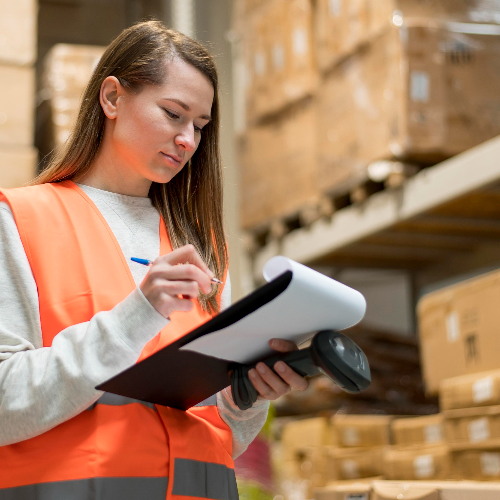
International trade is the backbone of Dubai’s economic growth, connecting regional markets with global supply chains. At the center of this complex movement of goods is the Dubai customs broker, a professional intermediary who ensures that shipments move smoothly through regulatory, legal, and procedural checkpoints. Without this role, importers and exporters would face delays, penalties, and compliance risks that could disrupt operations and inflate costs.
Understanding how customs brokerage works is essential for businesses involved in cross-border trade. From documentation accuracy to regulatory coordination, the customs broker plays a critical role in transforming complicated customs requirements into manageable processes.
What Is a Customs Broker in the Dubai Trade Ecosystem?
A customs broker is an authorized professional who acts on behalf of importers and exporters to manage customs clearance procedures. In Dubai’s high-volume trade environment, brokers serve as the operational link between businesses and customs authorities.
Their primary responsibility is to ensure that goods entering or leaving the country comply with applicable laws, tariff structures, and documentation standards. This includes preparing customs declarations, classifying goods correctly, calculating duties, and coordinating inspections.
In a fast-moving trade hub like Dubai, accuracy and speed are not optional. Customs brokers help businesses meet both requirements simultaneously.
Importance of Customs Brokers in International Trade
Dubai handles millions of tons of cargo annually across air, sea, and land routes. Each shipment must pass through customs control, regardless of size or value. Customs brokers play a vital role in preventing congestion and ensuring compliance.
Their importance lies in three key areas:
- Regulatory compliance and risk reduction
- Operational efficiency and faster clearance
- Cost control and duty accuracy
By managing these elements, brokers allow businesses to focus on commercial growth rather than administrative hurdles.
Core Responsibilities of a Dubai Customs Broker
Customs Documentation Management
Customs documentation is the foundation of successful clearance. Any error in invoices, packing lists, or declarations can trigger delays or inspections.
A customs broker prepares and reviews all required documents to ensure consistency and regulatory alignment. This includes verifying shipment details, commodity descriptions, and declared values before submission.
Tariff Classification and Duty Assessment
Correct classification of goods under the harmonized system is essential for determining applicable duties and taxes. Misclassification can result in overpayment, penalties, or shipment holds.
Brokers apply technical knowledge and regulatory guidelines to classify goods accurately, ensuring that duty calculations are correct and defensible.
Coordination With Customs Authorities
Customs clearance often involves communication with multiple regulatory bodies. Brokers act as the primary point of contact, responding to queries, arranging inspections, and resolving issues that arise during clearance.
This coordination minimizes delays and helps shipments move efficiently through customs control.
Managing Import and Export Compliance
Import Compliance Responsibilities
For imports, customs brokers ensure that shipments meet all entry requirements, including licenses, permits, and product-specific approvals. Certain goods are subject to additional scrutiny due to safety, health, or environmental considerations.
Brokers verify that all pre-clearance requirements are met before goods arrive, reducing the risk of storage costs or rejection.
Export Compliance Responsibilities
Exports require compliance with destination country regulations, documentation standards, and valuation rules. Brokers assist exporters by preparing accurate export declarations and ensuring that shipments leave the country without regulatory obstacles.
This support is particularly valuable for businesses entering new international markets.
Handling Restricted and Regulated Goods
Not all goods are treated equally at customs. Some products require special approvals, certifications, or inspections due to their nature.
Customs brokers manage clearance for:
- Restricted or controlled items
- High-value commercial goods
- Products subject to safety or conformity checks
Their role includes ensuring that the necessary approvals are secured in advance and that documentation aligns with regulatory expectations.
Supporting Different Cargo Types and Trade Channels
Dubai’s trade infrastructure supports a wide range of cargo types, from bulk shipments to time-sensitive consignments. Customs brokers adapt their processes to suit different trade channels.
Air Cargo Clearance
Air shipments require rapid processing to avoid storage costs. Brokers prioritize speed and accuracy, coordinating closely with customs officials to expedite release.
Sea Freight Clearance
Sea freight involves complex documentation and larger shipment volumes. Brokers manage declarations, inspections, and duty calculations efficiently to prevent port congestion.
Land Border Trade
For cross-border land trade, brokers ensure compliance with transit regulations and border control procedures, enabling uninterrupted movement of goods.
Role in Trade Risk Management
Customs-related risks can have serious financial and operational consequences. These include penalties, shipment seizures, and reputational damage.
Customs brokers help mitigate these risks by:
- Ensuring regulatory compliance
- Identifying documentation gaps early
- Advising on classification and valuation accuracy
- Supporting audit readiness
Proactive risk management is one of the most valuable aspects of customs brokerage services.
Digital Systems and Customs Brokerage
Dubai’s customs environment relies heavily on digital platforms for declarations, approvals, and payments. Brokers are trained to navigate these systems efficiently.
Their familiarity with electronic customs portals allows them to submit accurate data, track shipment status, and respond quickly to regulatory updates. This digital expertise contributes to faster clearance and improved transparency.
Customs Brokers and Supply Chain Efficiency
Customs clearance is a critical link in the supply chain. Delays at customs can disrupt production schedules, retail availability, and customer satisfaction.
By managing clearance timelines and compliance requirements, customs brokers help maintain supply chain continuity. Their role ensures that goods flow smoothly from origin to destination without unnecessary interruptions.
Common Challenges Addressed by Customs Brokers
Despite advanced systems, customs clearance can present challenges such as regulatory changes, inspection delays, or documentation discrepancies.
Customs brokers address these challenges by:
- Staying informed about regulatory updates
- Preparing accurate submissions
- Communicating proactively with authorities
- Resolving clearance issues efficiently
Their experience helps businesses navigate uncertainty with confidence.
Strategic Value for Businesses
Beyond operational support, customs brokers offer strategic value. They provide insights into regulatory trends, duty structures, and compliance strategies that can influence sourcing and market entry decisions.
For businesses expanding trade operations, customs brokers serve as trusted advisors who align regulatory compliance with commercial objectives.
Final Thought: Enabling Trade Through Regulatory Expertise
The role of a customs broker in Dubai extends far beyond paperwork. It is a strategic function that supports trade efficiency, regulatory compliance, and supply chain resilience. By managing documentation, coordinating with authorities, and mitigating risks, customs brokers enable businesses to operate confidently in a highly regulated trade environment.
As trade activities expand to include regulated products, alignment between customs clearance and approvals such as Dubai municipality product registration becomes increasingly important. When customs and product compliance work together seamlessly, businesses can achieve faster market access, reduced risk, and sustainable trade growth.