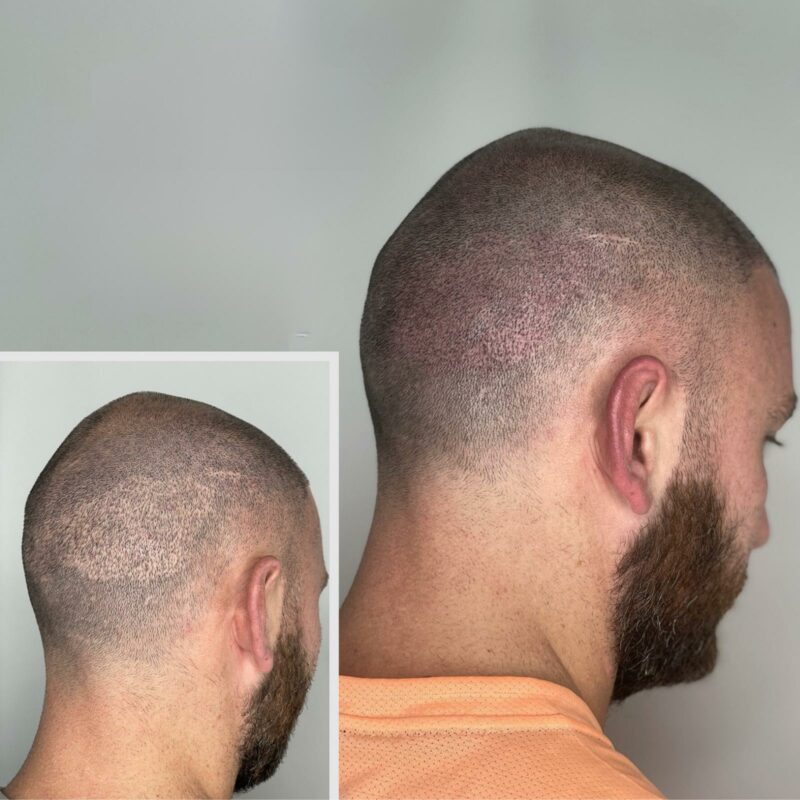
Scars are more than just marks on the skin; they are stories of resilience, survival, and healing. Yet, for many, they can also serve as reminders of trauma, accidents, or medical procedures. The desire to reclaim confidence and normalize the appearance of skin has led to innovative approaches in dermatology and cosmetic art. Among these, the scar camouflage tattoo has emerged as a powerful tool, blending medical insight with artistic skill to restore both aesthetics and self-esteem.
Understanding Scar Camouflage Tattoos
A scar camouflage tattoo is a specialized form of tattooing designed to minimize the visual appearance of scars. Unlike traditional tattoos, which are intended as permanent designs or artwork, camouflage tattoos focus on color correction and skin tone matching.
The procedure involves meticulously applying pigments to the affected area, matching the surrounding skin as closely as possible. The result is a natural-looking blend that softens or even conceals the scar.
Scars can vary widely in texture, size, and coloration, depending on their origin. Burns, surgical scars, trauma, and stretch marks all present unique challenges. A successful camouflage tattoo requires more than a steady hand—it demands a deep understanding of skin biology, pigmentation, and artistic nuance. The pigment must not only match the skin tone but also work harmoniously with the scar’s texture to ensure a seamless finish.
The Science Behind the Technique
Healing and scar tissue are complex processes. Scar tissue differs significantly from normal skin—it is often thicker, less elastic, and may appear lighter or darker than the surrounding area. This variance can make it difficult for traditional makeup or topical treatments to create a lasting solution. Enter the scar camouflage tattoo, which uses micro-pigmentation to directly address these differences.
The procedure begins with a detailed consultation. A skilled practitioner evaluates the scar’s color, depth, and texture. Based on this assessment, they select pigments that will complement the surrounding skin. During the tattooing process, tiny needles deposit pigment into the upper layers of the dermis. The goal is not to overwrite the skin but to subtly blend tones, creating the illusion of uniformity.
Unlike cosmetic tattoos applied to intact skin, scar camouflage requires adjustments for the unique healing properties of scar tissue. Scarred areas may absorb pigment differently, heal unevenly, or appear slightly altered after the procedure. Experienced practitioners anticipate these variations and often perform multiple sessions to achieve optimal results.
Emotional and Psychological Benefits
While the physical transformation is remarkable, the psychological impact of a scar camouflage tattoo is equally significant. Many individuals report increased confidence and a renewed sense of normalcy after the procedure.
For those who have lived with visible scars for years, concealing them can reduce self-consciousness and social anxiety. The art of camouflage allows people to move forward without the constant reminder of past trauma.
It is important to recognize that camouflage tattooing is not merely about vanity—it is a form of therapeutic art. By restoring a sense of continuity to the skin, individuals often experience a symbolic healing process as well. They reclaim control over a part of their body that may have felt altered or marked against their will.
The Procedure and Recovery
The process of getting a scar camouflage tattoo typically involves several steps. After the initial consultation and color matching, the tattooing session begins. A local anesthetic may be applied to minimize discomfort. Pigments are gently implanted into the scar tissue, following precise techniques to avoid irritation or overworking the skin.
Recovery is an essential aspect of the procedure. Like any tattoo, the area may be red, tender, or slightly swollen immediately afterward. Healing usually takes a few weeks, during which proper aftercare—including moisturizing and avoiding sun exposure—is crucial to achieving the best results. Multiple sessions may be scheduled to refine pigment consistency and ensure a natural appearance.
It is also essential to manage expectations. While scar tattoos can dramatically improve the appearance of scars, they cannot completely erase them. The technique works best on mature scars that are fully healed and stable. Ongoing communication with the practitioner ensures that the outcome aligns with the client’s goals and skin characteristics.
Choosing the Right Practitioner
Selecting a qualified professional is vital for anyone considering scar camouflage. This procedure is highly specialized, requiring both technical skill and artistic expertise. Practitioners should have formal training in medical tattooing or paramedical tattooing, along with experience in color matching and working with scar tissue.
Prospective clients should review portfolios, seek testimonials, and ask detailed questions about the techniques and pigments used. A reputable practitioner will also provide thorough guidance on pre-procedure preparation and post-procedure care, ensuring both safety and effectiveness.
Expanding Horizons: Beyond Scar Concealment
While the primary goal of a camouflage tattoo is to conceal scars, the practice has expanded into broader applications. For instance, individuals who have undergone mastectomies may use paramedical tattooing to restore the appearance of the areola. Burn victims, surgical patients, and those with pigmentation disorders can also benefit from customized solutions that blend aesthetic correction with emotional healing.
The evolution of this art form underscores the intersection of science and creativity. By harnessing both, practitioners help clients not only alter the physical appearance of scars but also regain confidence and agency over their bodies. This transformative impact exemplifies the deeper meaning behind the procedure: it is more than skin-deep—it is a holistic approach to healing.
Final Thoughts
The scar camouflage tattoo is a remarkable convergence of artistry, medicine, and psychology. It offers a solution for those seeking to diminish the visibility of scars while promoting emotional restoration. The process requires patience, expertise, and precision, but the results often go beyond aesthetics, fostering renewed self-esteem and confidence.
In a world where scars often carry unwanted attention, camouflage tattooing allows individuals to reclaim their skin as a canvas of resilience rather than a reminder of pain. Whether addressing surgical scars, trauma, or other skin imperfections, this innovative technique exemplifies how art can be a powerful tool for healing. Through careful pigment placement, expert understanding of skin, and a compassionate approach, scar tattoos transform more than appearance—they transform lives.