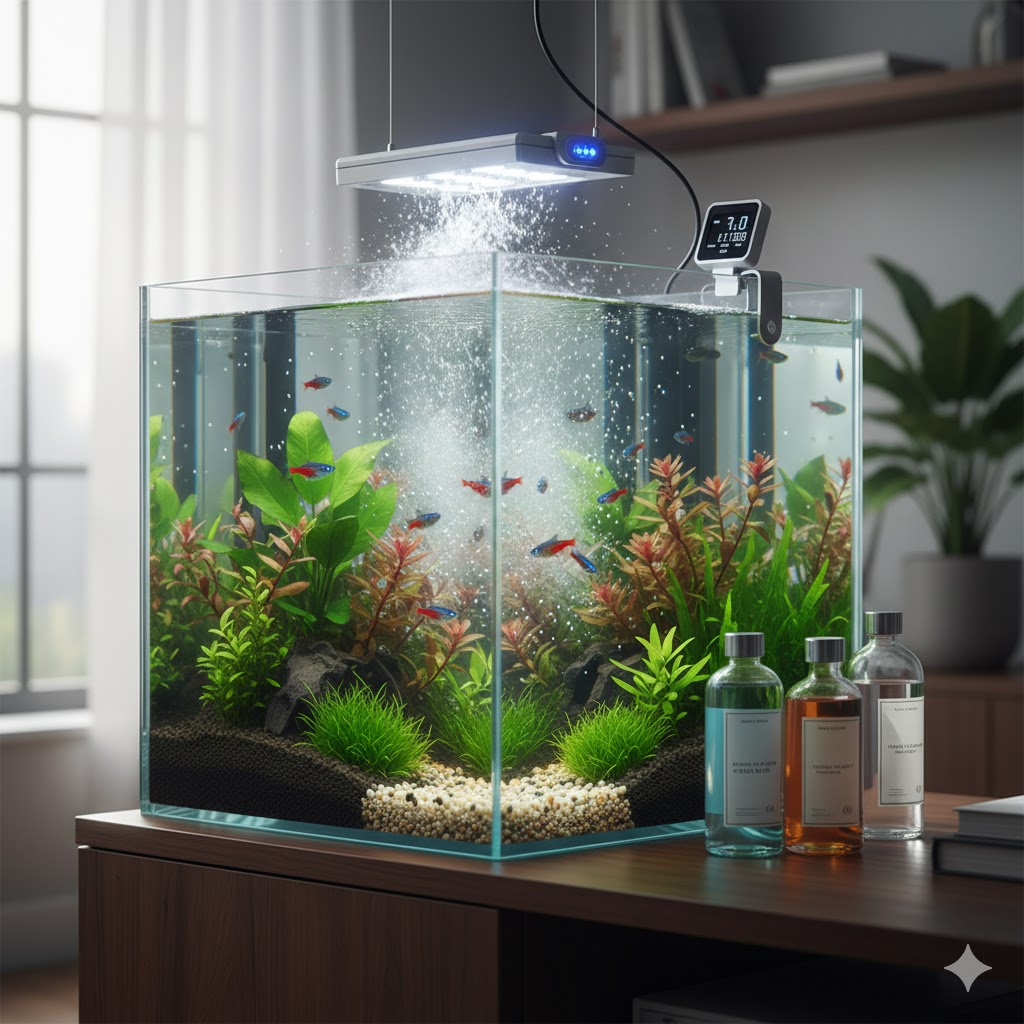
Clear water isn’t just about aesthetics; it’s a direct indicator of your aquarium’s health. Whether you maintain a freshwater community tank, a planted aquarium, or a saltwater setup, Aquarium Water Treatments play a crucial role in stabilizing water chemistry, protecting fish, and preventing common tank problems.
Many aquarists focus on filters and water changes while overlooking treatments that actively neutralize toxins, balance pH, control algae, and support beneficial bacteria. In this in-depth guide, we’ll explore smart Aquarium Water Treatments, how they work, the best aquarium water treatments for different tank needs, upcoming innovations, and how buying from Pet Supplies Online makes aquarium care simpler and more reliable.
Why Aquarium Water Treatments Are Essential
Fish live entirely within their water environment. Even small imbalances can cause stress, disease, or death. Aquarium Water Treatments help bridge the gap between tap water and a safe aquatic ecosystem.
Key Problems Water Treatments Solve
- Chlorine and chloramine toxicity
- Ammonia and nitrite spikes
- Cloudy or green water
- pH instability
- Heavy metal contamination
- Poor biological filtration
Without proper treatment, even a well-filtered tank can fail.
Understanding Different Types of Aquarium Water Treatments
Aquarium Water Treatments aren’t one-size-fits-all. Each type targets a specific issue, and knowing when to use them prevents over-treatment.
1. Water Conditioners & Dechlorinators
Tap water contains chemicals harmful to fish. Water conditioners neutralize these instantly.
Benefits:
- Removes chlorine and chloramine
- Detoxifies heavy metals
- Makes tap water fish-safe
This is the most essential aquarium water treatment for every tank.
2. Beneficial Bacteria Boosters
These treatments introduce or reinforce nitrifying bacteria that power the nitrogen cycle.
Why they matter:
- Convert ammonia → nitrite → nitrate
- Reduce new tank syndrome
- Speed up tank cycling
Especially useful after water changes, medication use, or filter cleaning.
3. Ammonia, Nitrite & Nitrate Neutralizers
Sometimes tanks experience sudden spikes due to overfeeding, overcrowding, or filter failure.
These treatments:
- Temporarily detoxify ammonia
- Reduce stress during emergencies
- Buy time while the tank stabilizes
They are not replacements for maintenance, but lifesavers in a crisis.
4. pH Stabilizers & Buffers
Different fish require specific pH ranges.
Examples:
- pH up / pH down solutions
- African cichlid buffers
- Discus and Betta soft water conditioners
Smart use prevents rapid swings that shock fish.
5. Algae Control Treatments
Algal blooms are common, especially in brightly lit or overfed tanks.
Algae treatments help by:
- Controlling green water
- Reducing surface film
- Targeting stubborn algae types
Always pair algae control with proper lighting and feeding adjustments.
Best Aquarium Water Treatments by Function (Comparison Table)
| Treatment Type | Primary Function | Ideal For |
| Water Conditioner | Removes chlorine & metals | All aquariums |
| Beneficial Bacteria | Boosts bio-filtration | New & established tanks |
| Ammonia Neutralizer | Detoxifies ammonia | Emergencies |
| pH Stabilizer | Balances water chemistry | Sensitive fish species |
| Algae Treatment | Controls algae growth | Planted & high-light tanks |
| Clarifier | Clears cloudy water | New setups, bacterial blooms |
This breakdown helps you choose the best aquarium water treatments based on real tank needs, not guesswork.
Smart Use of Aquarium Water Treatments (When & How)
Using Aquarium Water Treatments correctly is just as important as choosing the right ones.
Best Practices
- Always test water before dosing
- Follow dosage instructions exactly
- Avoid mixing multiple treatments at once
- Treat new water before adding it to the tank
- Observe fish behavior after treatment
Overuse can stress fish as much as untreated water.
Clear Water vs Healthy Water: Know the Difference
Crystal-clear water doesn’t always mean safe water.
Hidden dangers include:
- High ammonia in clear tanks
- pH swings without visible signs
- Oxygen depletion
That’s why smart Aquarium Water Treatments should be paired with regular testing, not just visual checks.
Aquarium Water Treatments for Freshwater vs Saltwater Tanks
Freshwater Tanks
- Focus on ammonia control
- pH stability is critical
- Algae management is common
Saltwater & Reef Tanks
- Precise mineral balance required
- Heavy metal detoxification is crucial
- Bacteria and nutrient control are essential
Saltwater tanks benefit most from high-precision treatments and testing.
Upcoming Trends in Aquarium Water Treatments (2026 & Beyond)
Aquarium care is rapidly evolving, and water treatments are becoming smarter, safer, and more sustainable.
1. Smart Dosing Systems
- Automatic dosing based on sensor data
- App-controlled treatment schedules
- Reduced human error
2. All-in-One Water Treatment Solutions
- Combined dechlorination, bacteria, and detoxification
- Simplified dosing for beginners
3. Natural & Plant-Based Treatments
- Botanical water conditioners
- Chemical-free algae control
- Safer for shrimp and sensitive species
4. Eco-Friendly & Concentrated Formulas
- Less plastic waste
- Smaller dosages with higher effectiveness
- Sustainable packaging
5. AI-Powered Water Monitoring
- Real-time alerts for ammonia or pH spikes
- Automated treatment recommendations
These trends focus on prevention rather than correction, which is the future of aquarium care.
Buying Aquarium Water Treatments from Pet Supplies Online
Purchasing Aquarium Water Treatments through Pet Supplies Online offers several advantages for aquarists:
Why Online Shopping Works
- Access to premium and specialty products
- Verified reviews from real aquarium owners
- Easier comparison of treatment types
- Convenient auto-replenishment options
Online pet stores often carry advanced treatments not found in local shops.
Common Mistakes to Avoid with Aquarium Water Treatments
Even experienced hobbyists make these errors:
- Treating water without testing
- Using algae treatments too frequently
- Ignoring dosage instructions
- Relying only on treatments instead of maintenance
- Mixing incompatible products
Aquarium Water Treatments should support, not replace, good aquarium habits.
Smart Maintenance Routine for Long-Term Tank Health
Combine treatments with a simple routine:
- Weekly water testing
- 10–25% water changes
- Monthly filter media checks
- Seasonal deep cleaning
- Regular observation of fish behavior
Consistency matters more than product quantity.
Final Thoughts: Smarter Water Means Healthier Fish
Healthy aquariums start with healthy water. By using Aquarium Water Treatments intelligently, selecting the best ones for your setup, and shopping reliably through Pet Supplies Online, you give your fish a stable, stress-free environment to thrive in.
Clearer water, stronger immunity, vibrant colors, and longer fish lifespans are all signs you’re doing it right.
Frequently Asked Questions (FAQs)
1. Are Aquarium Water Treatments safe for fish?
Yes, when used correctly and dosed properly, Aquarium Water Treatments are completely safe and essential for fish health.
2. How often should I use aquarium water conditioner?
A water conditioner should be used every time you add new water to your aquarium.
3. Can I use multiple aquarium water treatments at once?
It’s best to avoid combining treatments unless the product is designed as an all-in-one solution.
4. What are the best aquarium water treatments for beginners?
Water conditioners, beneficial bacteria supplements, and test kits are the best aquarium water treatments for beginners.
5. Where can I buy reliable Aquarium Water Treatments?
You can find a wide selection of trusted Aquarium Water Treatments from Pet Supplies Online with reviews and detailed product information.
Read More:- Beyond the Bowl: A Complete Guide to Feeding Aquarium Fish the Right Way