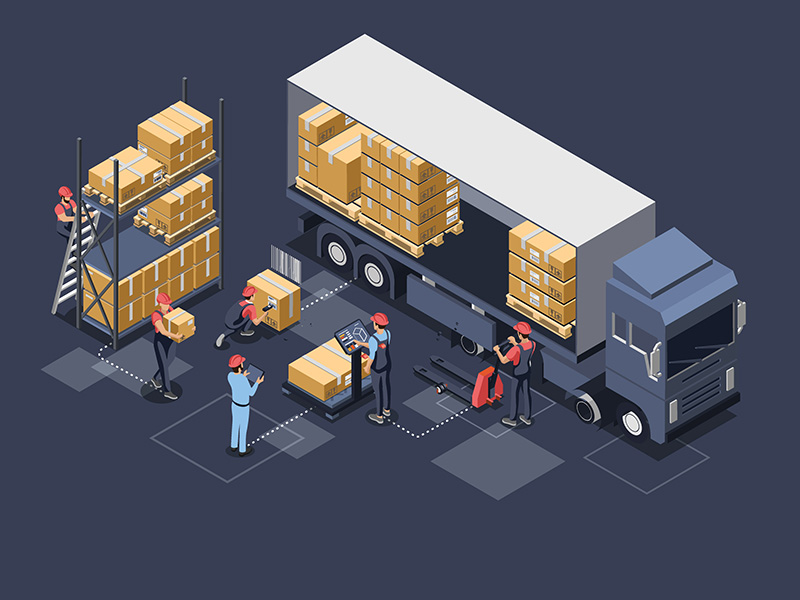
In today’s fast-paced and highly competitive market, retail logistics plays a crucial role in determining how efficiently a retailer can meet customer expectations. From managing inventory and warehousing to transportation and last-mile delivery, retail logistics connects every operational step between suppliers and end customers. As consumer demand for faster delivery and seamless shopping experiences continues to rise, retailers must rethink and optimize their logistics strategies to stay ahead.
What Is Retail Logistics?
Retail logistics refers to the planning, execution, and control of the movement and storage of goods throughout the retail supply chain. It covers processes such as procurement, inventory management, warehousing, order fulfillment, transportation, and returns management. The primary goal of retail logistics is to ensure the right product reaches the right place, at the right time, and at the lowest possible cost—without compromising quality.
Why Retail Logistics Matters More Than Ever
The growth of e-commerce, omnichannel retailing, and same-day delivery expectations has dramatically increased the complexity of retail operations. Inefficient logistics can lead to stockouts, delayed deliveries, excess inventory, and dissatisfied customers. On the other hand, a well-structured retail logistics system improves operational efficiency, reduces costs, and enhances customer loyalty.
Modern consumers expect real-time order tracking, flexible delivery options, and hassle-free returns. Retailers that fail to deliver on these expectations risk losing customers to more agile competitors.
Key Components of Retail Logistics
1. Inventory Management
Accurate inventory tracking is the backbone of retail logistics. Retailers must maintain optimal stock levels to avoid overstocking or running out of products. Advanced forecasting tools and real-time data help businesses anticipate demand and manage inventory more effectively.
2. Warehousing and Storage
Efficient warehouse operations ensure products are stored safely and picked quickly. Strategic warehouse locations and smart layout designs reduce handling time and speed up order fulfillment.
3. Transportation and Distribution
Transportation determines how fast and cost-effectively products move through the supply chain. Retailers often rely on a mix of shipping methods to balance speed and cost, especially for last-mile delivery.
4. Order Fulfillment and Returns
Seamless order fulfillment ensures customers receive their purchases on time. An equally efficient returns process is essential, as easy returns significantly influence purchasing decisions.
Challenges in Retail Logistics
Retail logistics comes with its own set of challenges, including fluctuating demand, rising fuel costs, supply chain disruptions, and managing multiple sales channels. Seasonal sales and promotions can further strain logistics operations if not planned properly. Retailers must also deal with increasing pressure to adopt sustainable logistics practices to reduce their environmental impact.
How Technology Is Transforming Retail Logistics
Technology is redefining how retail logistics operates. Automation, AI-driven demand forecasting, warehouse management systems, and real-time shipment tracking are helping retailers gain better control over their supply chains. Data-driven insights allow businesses to identify bottlenecks, improve delivery routes, and enhance overall efficiency.
This is where innovative solutions from TechBlocks Inc come into play. By leveraging advanced logistics technologies and customized digital solutions, TechBlocks Inc helps retailers optimize supply chain operations, improve visibility, and scale efficiently. Their expertise enables retailers to adapt quickly to market changes while maintaining high service standards.
The Future of Retail Logistics
The future of retail logistics lies in speed, flexibility, and sustainability. Retailers will increasingly adopt automation, micro-fulfillment centers, and AI-powered logistics platforms to meet growing customer demands. Those who invest in smart retail logistics strategies today will be better positioned to thrive in an evolving retail landscape.
Conclusion
Retail logistics is no longer just a backend function—it is a strategic advantage. Efficient retail logistics improves customer satisfaction, reduces operational costs, and supports business growth. With the right technology and expert support from partners like TechBlocks Inc, retailers can transform their logistics operations into a powerful driver of success.