In today’s competitive and security-driven business environment, professional employee ID cards play a crucial role in maintaining workplace organization, safety, and brand identity. No longer limited to simple identification, modern ID cards combine advanced design, durable materials, and smart technologies to meet the needs of businesses across industries. From small startups to large corporations, investing in high-quality employee ID cards is essential for efficient operations and a professional image.
This article explores the importance of employee ID cards, their benefits, design elements, printing techniques, and how to choose the right solutions for your business.
What Are Employee ID Cards?
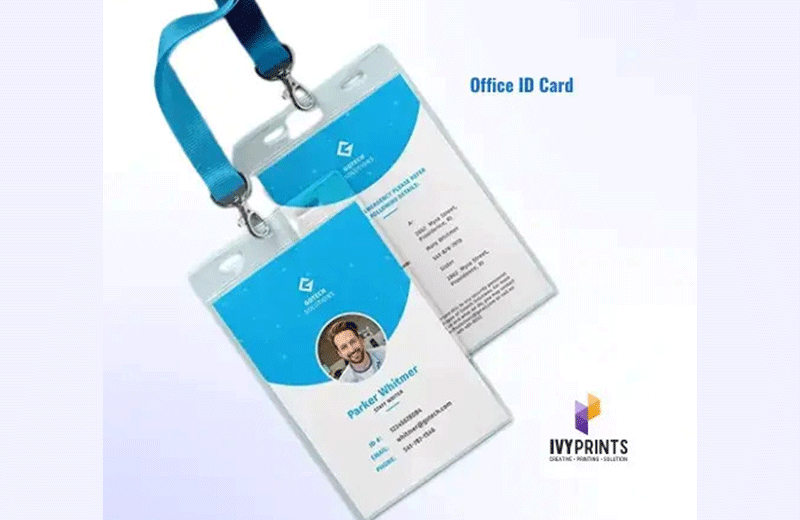
Employee ID cards are personalized cards issued to staff members to verify their identity within an organization. These cards typically include essential information such as:
- Employee name
- Photograph
- Designation
- Company name and logo
- Unique ID number
- Barcode, QR code, or RFID chip
These cards serve multiple purposes, including identification, access control, attendance tracking, and branding.
Importance of Professional Employee ID Cards
1. Enhanced Workplace Security
One of the primary functions of employee ID cards is to improve security. By requiring employees to display their ID cards, organizations can easily identify authorized personnel and prevent unauthorized access. Advanced cards can be integrated with access control systems, ensuring that only approved individuals can enter restricted areas.
2. Professional Appearance
Employee ID cards contribute to a more organized and professional workplace. When employees wear well-designed ID cards, it creates a sense of unity and discipline, reflecting positively on the organization.
3. Strong Brand Identity
ID cards often feature company logos, colors, and branding elements. This helps reinforce the company’s identity and ensures consistent branding across all departments.
4. Efficient Employee Management
With ID cards, organizations can easily track attendance, manage access, and maintain accurate records. This simplifies administrative tasks and reduces manual errors.
Benefits of Employee ID Cards
✔ Improved Identification
In large offices or corporate environments, it can be difficult to recognize every employee. ID cards provide instant identification, making communication and coordination easier.
✔ Access Control Integration
Modern ID cards can be linked with access control systems, allowing employees to enter buildings, offices, or specific departments with ease.
✔ Attendance Tracking
Many companies use ID cards with barcode or RFID technology for attendance management. Employees can scan their cards to record their entry and exit times.
✔ Cost-Effective Solution
Employee ID cards are a budget-friendly solution for improving security and organization. They require minimal maintenance and offer long-term benefits.
✔ Better Customer Interaction
Employees wearing ID cards appear more trustworthy and approachable, especially in customer-facing roles such as retail, healthcare, and hospitality.
Types of Employee ID Cards
1. PVC ID Cards
PVC cards are the most widely used due to their durability and affordability. They are waterproof, long-lasting, and suitable for everyday use.
2. Barcode ID Cards
These cards include a barcode that can be scanned for identification or attendance tracking.
3. QR Code ID Cards
QR codes store more information and can be scanned using smartphones or scanners for quick data access.
4. RFID Smart Cards
RFID cards enable contactless access. Employees can simply tap their card on a reader to gain entry or mark attendance.
5. Smart Chip Cards
These advanced cards contain embedded microchips for secure data storage and are used in high-security environments.
Key Elements of Professional ID Card Design
Creating a professional employee ID card requires careful attention to design and functionality. Here are the essential elements:
Clear Employee Photo
A high-resolution photograph ensures easy identification and adds a personal touch to the card.
Readable Text
The employee’s name, designation, and ID number should be clearly visible. Choose fonts that are easy to read.
Company Branding
Incorporate your company’s logo, colors, and visual identity to create a consistent and professional look.
Layout and Alignment
Keep the design clean and well-organized. Avoid overcrowding the card with too much information.
Security Features
Add features such as holograms, barcodes, or QR codes to prevent duplication and enhance security.
Durability
Use high-quality materials and protective coatings to ensure the card lasts longer.
Printing Techniques for Employee ID Cards
Professional printing plays a significant role in the quality and durability of ID cards. Here are some common printing methods:
Digital Printing
This method offers high-quality results and is suitable for small to medium batches. It allows for quick customization and vibrant colors.
Offset Printing
Ideal for large volumes, offset printing provides consistent quality and cost efficiency.
Thermal Printing
Used for printing variable data such as names and photos on pre-printed cards.
Retransfer Printing
This technique produces high-definition images and edge-to-edge printing, making it ideal for premium ID cards.
Materials Used in ID Card Printing
PVC (Polyvinyl Chloride)
The most common material for ID cards, known for its durability and flexibility.
PET and Composite Cards
These materials offer higher strength and resistance to wear and tear.
Eco-Friendly Materials
Some organizations are now opting for biodegradable or recyclable materials to reduce environmental impact.
Accessories for Employee ID Cards
To ensure convenience and visibility, ID cards are often paired with accessories such as:
- Lanyards
- ID card holders
- Badge reels
- Clips and straps
These accessories not only enhance usability but also add to the overall professional appearance.
Best Practices for Employee ID Card Design & Printing
Keep It Simple
A clean and minimal design ensures readability and a professional look.
Maintain Consistency
Use consistent branding elements across all ID cards to reinforce company identity.
Prioritize Security
Include features like QR codes, holograms, or RFID chips to prevent misuse.
Use High-Quality Materials
Invest in durable materials to avoid frequent replacements.
Update Regularly
Ensure employee information is accurate and update cards when necessary.
Choosing the Right ID Card Printing Service
Selecting a reliable ID card printing provider is crucial for achieving the best results. Consider the following factors:
Quality Assurance
Choose a provider known for high-quality printing and durable materials.
Customization Options
Look for services that offer design flexibility and various features.
Technology Support
Ensure the provider can integrate advanced technologies like RFID or barcode systems.
Pricing
Compare prices and check for bulk discounts to optimize your budget.
Delivery Time
Timely delivery is essential, especially for growing businesses.
Future Trends in Employee ID Cards
The future of employee ID cards is evolving with technology. Some emerging trends include:
- Mobile-based digital ID cards
- NFC-enabled smart cards
- Biometric authentication
- Cloud-based access control systems
These innovations are making workplaces more secure, efficient, and technologically advanced.
Conclusion
Professional employee ID cards are more than just identification tools—they are a vital part of modern business operations. They enhance security, improve organization, and strengthen brand identity. With the right design and printing techniques, businesses can create durable, secure, and visually appealing ID cards that meet their specific needs.
Investing in high-quality employee ID card design and printing is a smart decision for any organization looking to maintain professionalism and ensure a safe working environment. Whether you choose basic PVC cards or advanced smart cards, the right solution can significantly improve your workplace efficiency and image.