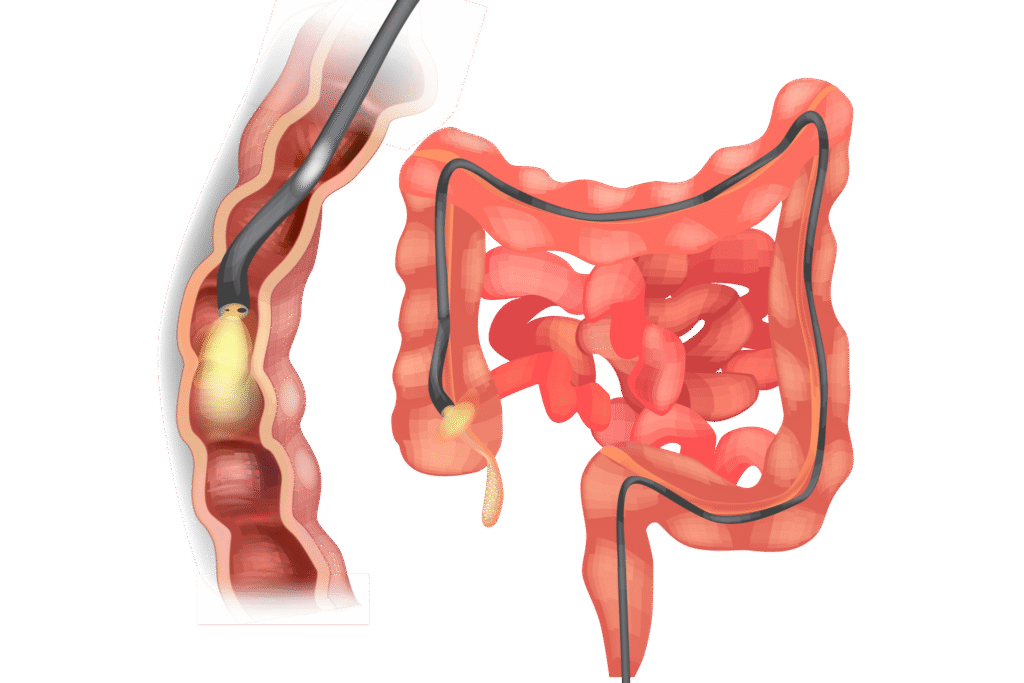
A colonoscopy is an important medical procedure that helps doctors check the health of your large intestine, also known as the colon. It is often recommended to detect conditions like polyps, inflammation, or even early signs of colorectal cancer. While the idea of a colonoscopy might seem intimidating, knowing how to prepare can make the process much smoother and less stressful.
If you are planning a colonoscopy in dubai understanding the steps and preparation required is essential. Preparation is not just about the procedure itself—it starts days in advance and involves dietary changes, medication adjustments, and mental readiness. This guide is designed to explain everything in simple, easy-to-follow terms so that you can feel confident and comfortable going into your appointment.
What is a Colonoscopy?
A colonoscopy is a procedure where a long, flexible tube with a camera on the end, called a colonoscope, is inserted into the rectum and guided through the colon. This allows the doctor to examine the inner lining of your large intestine for abnormalities such as polyps, ulcers, or inflammation.
During the procedure, the doctor can also take tissue samples (biopsies) or remove polyps if necessary. This makes colonoscopy not just a diagnostic tool but also a preventive measure. Early detection of any issues can significantly improve treatment outcomes.
Why a Colonoscopy Might Be Recommended
Doctors usually recommend a colonoscopy for the following reasons:
- Routine Screening:
For adults over 50, or earlier if there is a family history of colorectal cancer. Screening helps catch problems early, even before symptoms appear. - Investigating Symptoms:
If you experience chronic diarrhea, constipation, rectal bleeding, or unexplained abdominal pain, a colonoscopy can help find the cause. - Monitoring Existing Conditions:
Conditions like inflammatory bowel disease (IBD) or a history of polyps require regular check-ups via colonoscopy. - Follow-up After Treatment:
If previous colonoscopy findings needed treatment, follow-up procedures help ensure the colon remains healthy.
When to Schedule Your Colonoscopy
It’s important to schedule your colonoscopy at a time when you can follow the preparation instructions carefully. Most doctors recommend avoiding the procedure during periods of illness or heavy travel.
In Dubai, there are many clinics offering colonoscopy services. Make sure to choose a reputable facility where the staff is experienced in performing the procedure safely. Your doctor will also provide instructions on fasting and medications, which are crucial for a successful colonoscopy.
Preparing Your Body: Diet Changes
One of the most important parts of colonoscopy preparation is adjusting your diet. Eating the right foods helps clear the colon so that the doctor can get a clear view. Here’s a simple guide:
- A Few Days Before the Procedure:
- Avoid high-fiber foods like whole grains, nuts, seeds, and raw vegetables.
- Stick to soft foods such as white rice, eggs, yogurt, and cooked vegetables without skins.
- The Day Before the Procedure:
- You may be instructed to switch to a clear liquid diet. Clear liquids include:
- Water
- Broth
- Clear juices without pulp
- Tea or coffee (without milk or cream)
- Gelatin or clear sports drinks
- Avoid red or purple-colored drinks as they can interfere with the examination.
- You may be instructed to switch to a clear liquid diet. Clear liquids include:
- The Morning of the Procedure:
- Most clinics ask you to avoid any solid foods and stick to clear liquids until a few hours before the colonoscopy.
- Follow your doctor’s instructions regarding the exact timing of fasting.
Preparing Your Colon: The Bowel Prep
Bowel preparation, often called “bowel prep,” is necessary to clean your colon completely. This allows the doctor to see clearly and reduces the chance of needing a repeat procedure.
There are different types of bowel prep solutions, which your doctor will prescribe. These are usually taken the day before the procedure and sometimes split between the night before and the morning of the colonoscopy.
Tips for Successful Bowel Prep:
- Drink the prep solution slowly, as instructed, to avoid nausea.
- Drink plenty of clear fluids in addition to the prep solution to stay hydrated.
- Have easy-to-access bathroom facilities since frequent bowel movements are expected.
- If you feel unwell, contact your clinic; they can provide tips or adjust the prep as needed.
Medication Considerations
Before your colonoscopy, it’s important to review your medications with your doctor. Certain medications may need to be paused or adjusted.
- Blood Thinners: Inform your doctor if you take aspirin, warfarin, or other blood-thinning medications. They may advise temporary adjustments to reduce bleeding risk.
- Diabetes Medications: If you are diabetic, your doctor will guide you on how to manage your insulin or oral medications while fasting.
- Other Medications: Continue or pause other medications only as directed by your doctor. Never adjust medications on your own.
What to Expect During the Colonoscopy
Understanding what happens during the procedure can help reduce anxiety:
- Arrival and Check-In:
You will check in at the clinic, complete any necessary paperwork, and change into a hospital gown. - Sedation:
Most patients receive sedation to relax and minimize discomfort. Some may receive light sedation, while others may have deeper sedation depending on the clinic’s protocols. - The Procedure:
The colonoscope is gently inserted into the rectum and guided through the colon. The camera transmits images to a monitor, allowing the doctor to examine your colon.- The procedure usually takes about 30 to 60 minutes.
- You may feel some pressure or mild cramping but should not experience severe pain.
- Recovery:
After the procedure, you will rest until the sedation wears off. Most people go home the same day, but you need someone to accompany you due to the sedatives.
After the Colonoscopy: Recovery and Care
Recovery is usually quick, but there are a few things to keep in mind:
- Diet: Start with light meals and gradually return to your normal diet.
- Activity: Avoid driving or operating heavy machinery for 24 hours due to sedation effects.
- Possible Side Effects: Some patients may experience mild bloating, gas, or slight cramping.
- Watch for Warning Signs: Seek medical attention if you experience severe abdominal pain, heavy bleeding, fever, or persistent vomiting.
Common Questions About Colonoscopy
1. Is colonoscopy painful?
With sedation, most patients feel little to no pain. Some may feel mild cramping or bloating.
2. How often should I have a colonoscopy?
For most people, routine screening is recommended every 10 years starting at age 45–50. Those with higher risk factors may need more frequent exams.
3. Can I take my medications before a colonoscopy?
Yes, but only after consulting your doctor. Some medications may need temporary adjustments.
4. How do I choose a clinic in Dubai?
Look for clinics with experienced gastroenterologists, good reviews, modern equipment, and clear instructions for preparation.
5. Will I get results immediately?
Your doctor may discuss initial findings right after the procedure, but biopsy results can take a few days to weeks.
Tips for a Smooth Colonoscopy Experience
- Plan Ahead: Arrange transportation and take time off work if needed.
- Follow Instructions Carefully: Proper bowel prep is crucial for accurate results.
- Stay Hydrated: Drink plenty of clear fluids before and after the procedure.
- Ask Questions: Don’t hesitate to ask your doctor about medications, diet, or what to expect.
- Relax: Anxiety is normal, but proper preparation and understanding can help you stay calm.
Importance of Regular Screening
Colonoscopy is not just a diagnostic tool—it’s a preventive measure. Early detection of polyps or colorectal cancer significantly increases the chances of successful treatment. Even if you feel healthy, routine screening is essential, especially if you are over 45 or have a family history of colorectal conditions.
In Dubai, awareness about colorectal health is growing, and medical facilities are equipped with modern technology to ensure safe and effective colonoscopy procedures.
Choosing the Right Specialist
Choosing the right doctor is just as important as following preparation instructions. A skilled gastroenterologist can make the procedure smoother, safer, and more comfortable. Look for:
- Experience and credentials
- Positive patient feedback
- Clear communication and instructions
- Availability for follow-up care
For anyone considering a colonoscopy in Dubai, careful planning and choosing the right clinic and specialist are essential steps toward ensuring a successful procedure and accurate results.
Conclusion
Preparing for a colonoscopy doesn’t have to be stressful. With proper planning, understanding the procedure, and following dietary and medication instructions carefully, you can make the experience much easier. A well-prepared colon ensures the doctor can detect any issues accurately, helping prevent serious health problems.
If you are looking for a reliable colonoscopy dubai consulting an experienced specialist is the first step. Dr. Neil Philip Galletly is a trusted doctor in the region who can guide you through the entire process, from preparation to post-procedure care, ensuring you receive safe and effective colon health evaluation.
Remember, early detection and proper preparation are key to maintaining a healthy colon and overall wellbeing. Taking the time to prepare for your colonoscopy can make a big difference in your health outcomes and peace of mind.