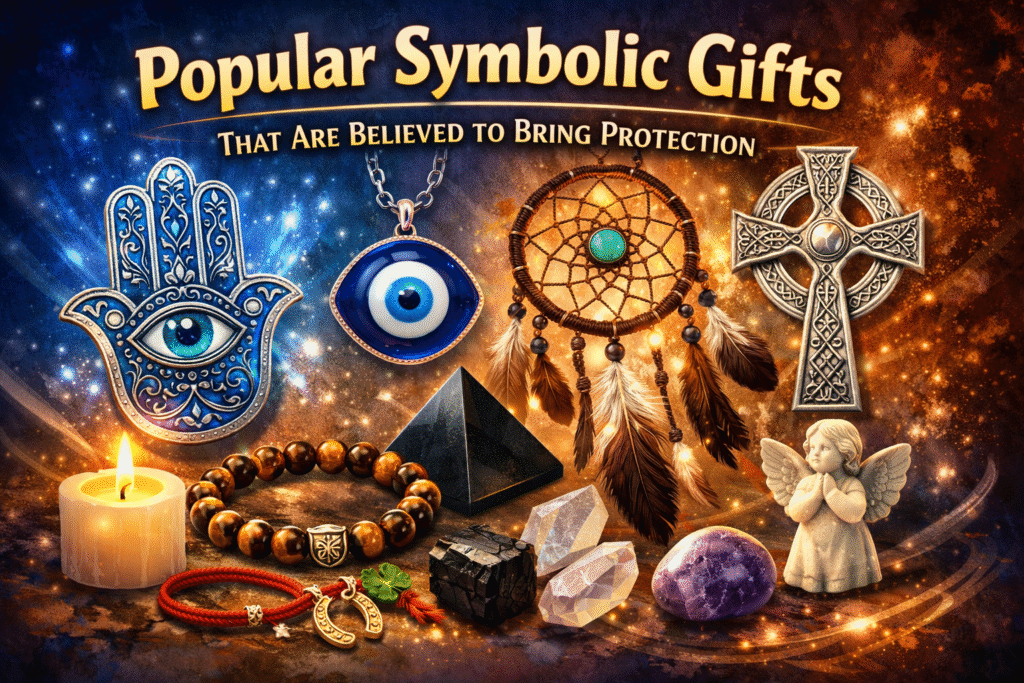
Gifts have always been more than objects. At their best, they’re messages wrapped in paper. And when someone wants to express care, concern, or good intentions, symbolic gifts believed to bring protection often feel like the right move. They don’t try too hard. They don’t need explaining. They simply carry meaning.
Across cultures and generations, people have exchanged protective symbols during moments that matter. New beginnings, emotional transitions, uncertain times, or even just because life has been acting a little unpredictable lately.
Why Protection Is a Universal Idea
No matter where someone comes from, the idea of protection resonates. Everyone wants to feel safe. Not just physically, but emotionally and mentally too.
Symbolic protective gifts tap into that shared human instinct. They don’t promise guarantees. They offer reassurance. And sometimes, reassurance is exactly what someone needs.
Symbols Speak When Words Feel Awkward
Let’s be real. Saying “I hope nothing bad happens to you” can sound strange out loud. Protective gifts handle that conversation gracefully.
They express care without turning things serious or uncomfortable. The symbol does the talking while the giver avoids an awkward speech. Everybody wins.
The Evil Eye and Its Enduring Appeal
One symbol that keeps showing up across cultures is the evil eye. Its interpretation may vary slightly from place to place, but the core idea remains steady. It’s believed to protect against negativity and unwanted attention.
Evil eye gifts work so well because they’re subtle. They don’t dominate an outfit or a space. They blend in quietly, doing their symbolic job in the background while still looking stylish.
Why Wearable Protection Feels Practical
Protective items that can be worn often feel more personal. Jewelry, accessories, or small charms stay close to the body, which adds emotional value.
People like gifts they can keep nearby without feeling self-conscious. Wearable symbols feel natural, not dramatic. You don’t need to explain them, and they don’t demand belief. They just exist.
Minimal Gifts With Maximum Meaning
Some protective gifts are intentionally simple. Thin bands, small tokens, or understated pieces don’t attract attention, but they carry strong intention.
That simplicity makes them easy to accept and easy to keep. Sometimes the quietest gifts feel the most genuine.
Protective Objects That Feel Grounding
Certain gifts are chosen because they feel solid and calming. Items that sit in a pocket, on a desk, or near a bed often become small sources of comfort.
They don’t shout for attention. They’re just there. And on stressful days, that presence can feel oddly reassuring.
Faith and Belief Add Emotional Weight
In many families and communities, protective gifts are closely tied to faith or spiritual belief. These gifts are often exchanged between people who share trust and emotional closeness.
They aren’t about decoration. They’re about belief, hope, and emotional security. Given thoughtfully, they can carry deep personal significance.
Protection Extends to Spaces Too
Protection isn’t always about a person. Sometimes it’s about the place they live or work.
Gifts meant for homes or personal spaces are popular during moves, fresh starts, or life changes. They’re believed to create a sense of safety and balance within the environment. Even for people who don’t fully buy into symbolism, these items add warmth and intention to a space.
Why These Gifts Age So Well
Trendy gifts usually have an expiration date. Symbolic ones don’t.
Protective gifts rarely lose relevance because the need for care and reassurance never disappears. They might move from a daily accessory to a keepsake, but they’re rarely discarded.
When Distance Makes Them Even More Meaningful
Symbolic protection gifts are especially powerful when people can’t be physically present.
Sending one feels like extending care across distance. It’s a quiet way of saying, “I can’t be there, but I’m thinking of you.” That message lands deeply.
They Carry Memory, Not Just Meaning
Over time, protective gifts often become tied to memories. A certain phase of life. A specific person. A meaningful moment.
That emotional connection gives the item lasting value. Even if it’s not used every day, it’s rarely forgotten.
Choosing With Sensitivity Matters
Not everyone connects with symbols in the same way. Some prefer subtle designs. Others are comfortable with visible symbols.
The best protective gift respects the receiver’s comfort level. Protection should feel supportive, not imposed.
Intention is What Makes It Work
Ultimately, belief systems vary. What doesn’t vary is intention.
When a gift is chosen with genuine care, that intention is felt. And that feeling is often what makes the gift meaningful.
Conclusion
Popular symbolic gifts believed to bring protection continue to hold their place because they connect intention, care, and emotion simply. They don’t promise control over life’s unpredictability. They offer comfort, reassurance, and a sense of being looked after.
In a world where many gifts often feel rushed or forgettable, symbolic protection gifts stand out by doing something truly unique. They remind people they’re cared for, quietly and sincerely.