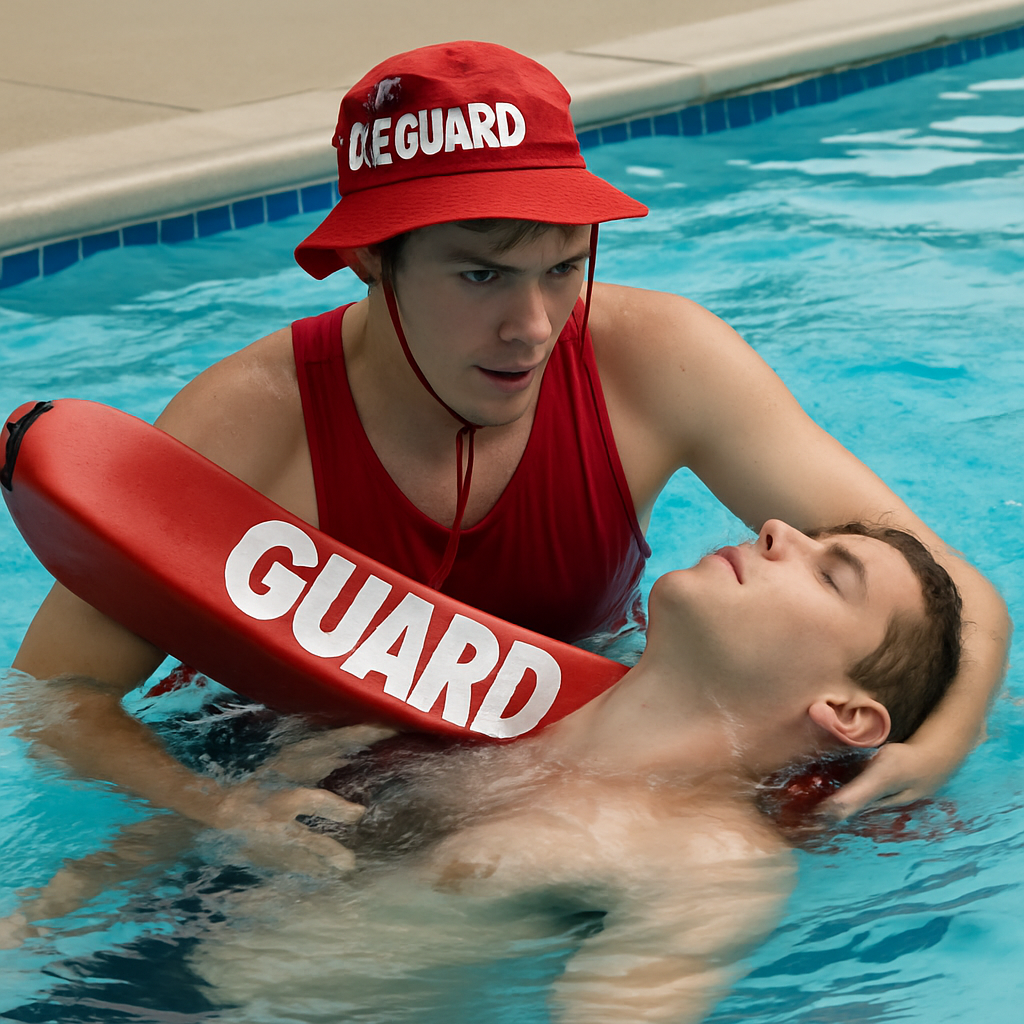
Lifeguard training is more than learning how to swim or blow a whistle—it’s professional emergency preparation. A trained lifeguard is responsible for preventing accidents, responding to distress quickly, and protecting lives in unpredictable aquatic environments. Whether you want to work at a pool, waterpark, beach, or lake, proper training ensures you can handle real emergencies with skill and confidence.
Summary:
Lifeguard training combines classroom instruction and hands-on water practice to prepare you for real-life rescues. You’ll learn CPR/AED, first aid, scanning and prevention skills, and professional rescue techniques while meeting required swim and fitness standards. Completing an accredited course helps ensure you are job-ready, compliant with safety regulations, and confident in emergency situations.
Most lifeguard training programs combine classroom learning with hands-on pool or open-water practice. You’ll study water safety, rescue techniques, CPR/AED, and first aid while also meeting physical skills requirements. Training standards may vary by organization, but the goal is the same: develop a reliable, prepared rescuer who can respond under pressure.
This guide walks you through lifeguard training step-by-step, including prerequisites, what to expect in class, skills you must master, and how to stay certified and job-ready.
Understanding Lifeguard Training: Why It Matters
Lifeguard training exists for one reason—public safety. Every year, drowning and water-related injuries occur due to lack of supervision, weak safety systems, or delayed rescue responses. Lifeguards serve as the first line of defense in preventing tragedies, and training ensures they can act fast and effectively.
Training helps you build life-saving habits like scanning zones properly, recognizing distress early, and responding in seconds. It also teaches structured emergency action plans that protect both victims and lifeguards.
Benefits of Lifeguard Training
✅ Lifeguard training helps you:
- Prevent drowning and aquatic injuries
- Respond confidently to emergencies
- Meet employer and legal safety standards
- Build leadership and teamwork skills
- Improve your career credibility
A trained lifeguard isn’t just a swimmer—they’re a professional rescuer trained to make decisions quickly when seconds matter.
Who Should Take Lifeguard Training?
Lifeguard training is designed for anyone who wants to work in professional aquatic safety. If you’re considering jobs at pools, camps, hotels, beaches, or waterparks, certification is typically required.
This training is ideal for:
- Teens and young adults seeking a first job
- Fitness-oriented individuals who enjoy water safety work
- Coaches, swim instructors, and camp staff
- Anyone interested in emergency response and public service
Lifeguarding is a serious responsibility, but it’s also a rewarding role that builds confidence, professionalism, and leadership.
Lifeguard Training Requirements and Eligibility
Before registering for a lifeguard training course, you must meet basic prerequisites. These ensure participants have the physical readiness needed for rescues and can handle the demands of training.
Common Eligibility Requirements
Most programs require:
- Minimum age: Typically 15+ (some programs allow 14+)
- Strong swimming ability
- Ability to pass a pre-course swim test
- Commitment to attend all sessions
Typical Swim Skill Pre-Test Includes
You may be asked to:
- Swim a set distance continuously (often 300 yards/meters)
- Tread water for 2 minutes (hands out may be required)
- Retrieve a brick or object from deep water
These tests are not meant to “trap” students—they confirm you can safely perform rescues during training and real-life situations.
Choosing the Right Lifeguard Training Program
Not all lifeguard courses are the same. Choosing the right training program depends on where you plan to work, your schedule, and the environment you’ll guard.
Key Factors to Consider
✅ When selecting a course, compare:
- Training format: in-person, blended, or classroom-heavy
- Facility type: pool, open water, or waterpark focus
- Certification recognition: accepted by employers in your area
- Instructor reputation and experience
If you plan to work at a beach or lake, look for open-water lifeguard training. For pools and indoor facilities, standard lifeguard certification is usually enough.
What You’ll Learn in Lifeguard Training
A quality lifeguard course teaches both prevention and response. You’ll learn how to stop emergencies before they happen—and how to act when they do.
Core Skills Covered in Training
Most lifeguard training includes:
- Water rescue techniques (active & passive victim rescues)
- Spinal injury management
- CPR for adults, children, and infants
- AED use and safety
- First aid for aquatic and non-aquatic injuries
- Emergency action plans (EAPs)
- Team response drills
Training also focuses on professional judgment, including how to assess risks, communicate clearly, and stay calm under pressure.
What to Expect During Lifeguard Training Classes
Lifeguard training is hands-on. Expect a mix of classroom instruction and intense pool or water practice sessions.
Training Structure Typically Includes
- Classroom learning: safety rules, legal responsibilities, emergency planning
- Water practice: rescues, victim approaches, carries, extraction methods
- Scenario drills: realistic emergencies to test decision-making
- Written knowledge evaluation
- Final skills assessment
Instructors often simulate real emergencies. This builds muscle memory and prepares lifeguards for stressful situations.
How to Prepare for Lifeguard Training (Study + Fitness Tips)
If you want to succeed, preparation matters. Lifeguard training is not impossible—but it does demand mental focus and physical readiness.
Fitness Preparation Tips
- Swim 2–3 times per week before training begins
- Practice endurance swimming (steady pace, no stopping)
- Improve treading technique
- Build upper-body and leg strength for victim support
Study and Confidence Tips
- Learn basic CPR steps ahead of time
- Familiarize yourself with emergency terminology
- Watch rescue demonstrations (from your chosen provider)
- Take notes and review after each session
The more comfortable you are in the water, the more energy you can focus on technique and decision-making.
Written Exams and Skill Assessments: How to Pass
Most programs require both a written exam and a hands-on evaluation. The goal is to confirm you understand safety procedures and can perform rescues correctly.
Written Exam Success Tips
✅ To do well on the written test:
- Review your handbook and class notes
- Focus on scanning, safety rules, and emergency response
- Take practice quizzes if provided
- Understand why steps matter (not just memorization)
Practical Assessment Success Tips
✅ For skills evaluation:
- Practice rescues repeatedly with correct technique
- Listen carefully to instructor corrections
- Stay calm and follow training steps
- Communicate clearly during scenario drills
Consistency matters more than speed. Instructors want correct decisions and safe technique.
CPR, First Aid, and Emergency Response Training
Lifeguards are often the first to respond to medical emergencies—not just drownings. Your training will prepare you for cardiac events, injuries, and sudden medical crises.
Key Emergency Skills You’ll Practice
- CPR compression rhythm and depth
- Rescue breathing for drowning victims
- AED setup and operation
- Bleeding control and shock care
- Heat-related illnesses and dehydration
- Head, neck, and spinal injury response
Modern training places strong emphasis on teamwork and clear communication because real rescues are rarely a one-person event.
Physical Fitness and Water Skills in Lifeguard Training
Lifeguards must have endurance. Emergency situations can last minutes, and fatigue can lead to mistakes.
Fitness Skills Lifeguards Must Maintain
- Continuous swimming without exhaustion
- Confident deep-water movement
- Strong treading and body control
- Ability to support victims safely
- Fast decision-making under physical stress
If you struggle at first, don’t give up. Most students improve quickly with consistent practice.
After Certification: How to Stay Ready and Professional
Earning a lifeguard certification is a major achievement—but staying sharp is what makes you truly reliable.
Ways to Maintain Lifeguard Skills
- Practice rescue drills monthly
- Refresh CPR/first aid knowledge regularly
- Attend in-service training sessions
- Stay physically active year-round
- Review emergency action plans at your facility
A certified lifeguard who doesn’t practice becomes slower and less confident. Staying prepared protects both you and the people you guard.
Frequently Asked Questions About Lifeguard Training
How long does lifeguard training take?
Most courses take 20–30 hours, depending on the provider and environment (pool vs. open water). Some programs are completed in a week; others are spread across multiple weekends.
Is lifeguard training difficult?
It can be challenging if you’re not comfortable in deep water or lack endurance. However, with preparation and practice, most students succeed.
Can you do lifeguard training online?
Some theory portions may be online, but practical rescue skills must be completed in person.
How long is a lifeguard certification valid?
Most certifications are valid for two years, although this depends on the certifying body.
What if I fail the swim test?
Many training centers allow you to retest. If you fail due to endurance, practice consistently for a few weeks and try again.
Conclusion: Lifeguard Training Builds Real-Life Confidence
Lifeguard training is one of the most valuable safety certifications you can earn. It prepares you to prevent emergencies, respond under pressure, and protect lives in aquatic environments. Beyond the skills, it builds leadership, responsibility, and calm decision-making—qualities that matter in every career path.
If you’re serious about becoming a lifeguard, choose a recognized training provider, prepare physically, and commit to learning the why behind every procedure. Your training could one day mean the difference between life and loss.
Author Bio
Benjamin Owen Leo is a water safety writer and lifeguard training content specialist with a strong focus on public safety education. He writes in-depth guides on lifeguard certification, CPR/AED readiness, rescue skills, and aquatic risk prevention to help new and experienced lifeguards stay compliant, confident, and job-ready. His work supports training organizations and aquatic facilities by delivering clear, people-first educational content aligned with industry safety standards.
Must Visit: Jinvarlina