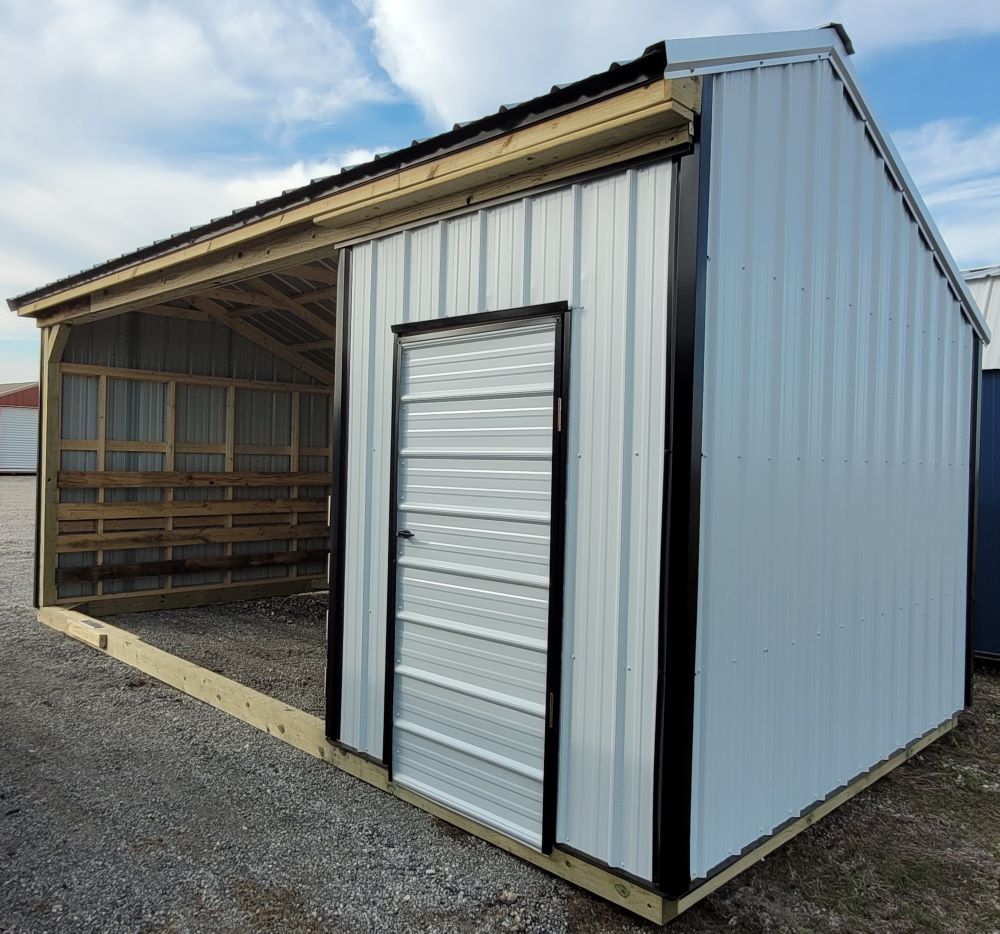
Texas heat is no joke especially in small towns like Lott. When summer temperatures rise above 95°F, your horses feel it just as much as you do. Overheating can cause stress, dehydration, and even serious health risks. The good news? You don’t always need expensive air conditioning to protect your animals.
With smart design, proper airflow, and practical upgrades, you can keep your barn comfortable even during peak summer. Whether you own custom horse barns or manage standard Horse barns in texas, natural cooling strategies can make a huge difference.
Let’s break it down in simple, practical steps you can apply right away.
Why Texas Heat Is Hard on Horse Barns
In Central Texas, barns often trap heat because of:
- Metal roofing that absorbs sunlight
- Poor ventilation
- Low ceilings
- Tight stall designs
- Limited shade around the structure
When hot air gets stuck inside, temperatures can rise 10–20 degrees higher than outside. That’s why cooling horse barn naturally should start with airflow and smart building design.
If you’re planning new construction, this is where well designed custom horse barns have a big advantage.
Custom Horse Barns and Smart Heat Control
One of the biggest benefits of custom horse barns is that you can design them with Texas weather in mind from the start.
1. Build for Airflow First
Good ventilation is the foundation of cooling horse barn naturally.
Important design features:
- Wide center aisles
- Open ridge vents
- High ceilings (at least 12–14 feet)
- Large stall windows
- Dutch doors for cross breeze
Hot air rises. If your barn has ridge vents, that hot air escapes instead of building up inside.
Many modern Horse barns in texas now include cupolas and continuous ridge vents for this reason.
2. Orientation Matters in Horse Barns in Texas
If you’re building new or expanding, position the barn correctly.
Best practice:
- Face the long side of the barn toward prevailing summer winds.
- Avoid full west-facing walls (they get intense afternoon sun).
- Add extended roof overhangs for shade.
Even small changes in orientation can reduce interior heat by several degrees.
This is why planning matters when designing custom horse barns in hot climates.
Cooling Horse Barn Naturally With Ventilation
Ventilation is the most affordable way to reduce heat.
3. Install Large, High Quality Fans
Fans don’t cool air but they move it. Moving air helps sweat evaporate from your horse’s body.
Recommended fan placement:
- One fan per 1–2 stalls
- Ceiling mounted aisle fans
- High mounted wall fans for circulation
Look for agricultural grade fans built for dust and humidity.
If your current Horse barns in texas feel stuffy, adding proper fan placement can dramatically improve comfort.
4. Open Stall Design Helps
Closed stalls trap heat.
Better options:
- Grilled upper stall fronts
- Mesh stall partitions
- Half-walls instead of full walls
Open designs improve cross ventilation and support cooling horse barn naturally without mechanical systems.
Roof Upgrades That Reduce Heat
The roof is the biggest heat collector in any barn.
5. Use Reflective Roofing Materials
Metal roofs are common in Texas but untreated metal absorbs heat.
Better options:
- Reflective paint coatings
- Radiant barriers under roofing
- Lighter-colored metal panels
A radiant barrier can reduce interior temperatures by up to 10 degrees.
If you’re upgrading custom horse barns, this is one of the smartest investments you can make.
6. Add Insulation
Insulation isn’t just for winter.
Proper insulation:
- Slows heat transfer
- Keeps interior temperatures more stable
- Reduces condensation
Spray foam insulation works especially well in Horse barns in texas because it seals small gaps where heat enters.
Shade: The Most Overlooked Cooling Strategy
Shade dramatically lowers surface temperatures.
7. Plant Trees Around the Barn
Strategically planted trees on the west and south sides block intense sun.
Best shade trees for Central Texas:
- Live oak
- Cedar elm
- Texas red oak
Trees also help cool surrounding air, supporting cooling horse barn naturally.
8. Install Shade Structures
If trees aren’t an option:
- Add shade cloth extensions
- Build covered loafing sheds
- Install extended awnings
Shaded outdoor areas give horses relief without relying only on indoor space.
Water: Essential for Heat Control
Hydration is critical in Texas summers.
9. Keep Water Cool and Accessible
- Use automatic waterers
- Check water temperature daily
- Provide multiple water stations
Warm water discourages drinking. Shade your water troughs whenever possible.
Many owners of Horse barns in texas overlook how quickly water heats up in metal containers.
Improve Airflow in Existing Horse Barns in Texas
If your barn is already built, you still have options.
10. Remove Heat Traps
Look for:
- Blocked vents
- Stored hay blocking airflow
- Closed windows
- Solid stall panels
Small airflow improvements can significantly support cooling horse barn naturally.
11. Create Cross-Ventilation
Open both sides of the barn when possible.
Air should:
- Enter one side
- Move through stalls
- Exit the opposite side or ridge vent
If air can’t move freely, heat builds up fast.
This is why well designed custom horse barns often include symmetrical openings.
Flooring and Ground Temperature
Ground temperature affects overall barn heat.
12. Choose Cooler Flooring Materials
Dirt floors stay cooler than concrete. If you use concrete:
- Add rubber mats
- Keep surfaces shaded
- Hose down aisles during extreme heat
Evaporation can slightly cool the surrounding air.
Daily Management Tips for Hot Weather
Even the best esigned Horse barns in texas need smart daily routines.
Simple habits:
- Turn horses out early morning or late evening
- Avoid heavy riding during peak heat
- Use fly sheets designed for summer airflow
- Monitor for signs of heat stress
Signs of overheating include:
- Rapid breathing
- Lethargy
- Excess sweating
- Refusal to eat
Planning Future Custom Horse Barns for Texas Heat
If you’re building new, think long term.
A well designed custom horse barns project should include:
- Proper ventilation plan
- Insulated roofing
- Wide overhangs
- Natural airflow mapping
- Shade planning
It’s easier (and cheaper) to build smart than fix problems later.
If you’re researching designs, consider reading more about:
- Barn layout planning
- Stall sizing guides
- Texas specific agricultural building codes
(These are strong internal linking opportunities for related content.)
FAQs
Q1. How hot is too hot inside a horse barn?
Anything consistently above 95°F inside the barn can cause stress. Proper airflow should keep interior temps close to outdoor shade temperatures.
Q2. Is misting a good idea for cooling horse barn naturally?
Misting can help, but only if airflow is strong. Without ventilation, humidity increases and makes heat worse.
Q3. Do custom horse barns stay cooler than standard barns?
Yes, when designed correctly. Custom horse barns can include airflow planning, ridge vents, and insulation specifically for Texas heat.
Q4. What is the most affordable cooling solution?
Adding high quality fans and improving ventilation is usually the lowest cost improvement for Horse barns in texas.
Q5. Can insulation really help in summer?
Yes. Insulation slows heat transfer, keeping interior temperatures more stable even during peak heat.
Final Thoughts
Keeping your barn cool in Texas doesn’t require expensive air conditioning. It requires smart design, airflow, shade, and daily management.
Whether you’re upgrading existing Horse barns in texas or building new custom horse barns, focusing on ventilation and insulation makes the biggest difference.