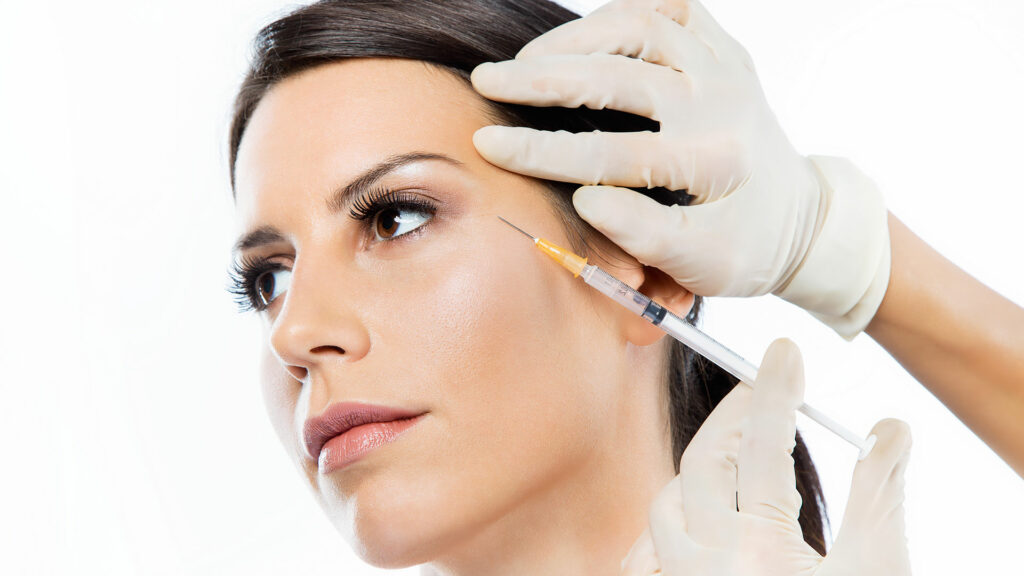
Botox is a household name in cosmetic treatments, best known for smoothing wrinkles. But beyond the forehead and frown lines, another increasingly popular application is Botox in the masseter muscles—the large chewing muscles on either side of your jaw. This treatment has both therapeutic and aesthetic benefits, but it’s not without trade-offs. Here’s what you need to know before deciding if Masseter Botox is right for you.
What Is Masseter Botox?
The masseter muscles are key chewing muscles that can become overactive through habits like grinding or clenching (bruxism) or may be naturally prominent in certain facial types. Injecting a neurotoxin such as Botox (onabotulinumtoxinA) into these muscles reduces their activity temporarily by blocking nerve signals, leading to muscle relaxation and potential shrinking over time.
While Botox’s main FDA-approved uses are cosmetic (like wrinkle reduction) and some medical conditions (like chronic migraines), using Botox in the masseter for jaw slimming and TMJ relief is considered “off-label.” This means it’s common practice among providers but not specifically approved by regulators for that use.
Why People Choose Masseter Botox
1. Relief from Teeth Grinding and Clenching (Bruxism)
One of the most well-documented benefits of masseter Botox is reducing teeth grinding and jaw clenching. Overactivity of the masseter contributes to tension, pain, headaches, and even dental damage. Botox reduces muscle force, which can ease symptoms and protect your teeth.
2. TMJ Disorder Symptom Relief
Temporomandibular joint disorder (TMD or TMJ) can cause chronic jaw pain, stiffness, clicking, and difficulty chewing. Though not a cure for every case, Botox can relax the associated muscles and reduce pressure on the joint, offering relief for some sufferers.
3. Facial Slimming and Contouring
Aesthetic interest in Botox has surged, especially on social platforms. When the masseter muscles are strong and bulky, they can give the face a square, masculine profile. Relaxing these muscles can shrink them over time, producing a softer, more tapered “V-line” jaw shape.
4. Non-Surgical and Minimally Invasive
Compared to surgical jaw contouring or TMJ surgery, Botox is quick (often under 15 minutes), has minimal downtime, and doesn’t involve incisions or general anesthesia.
What to Expect From Treatment
Before the Procedure
A qualified provider will review your medical history and discuss medications. They’ll likely avoid treating if you’re pregnant, breastfeeding, or have neuromuscular conditions.
During the Procedure
The provider injects small amounts of Botox into specific spots on each masseter muscle using a fine needle. It’s relatively quick and usually causes only mild discomfort.
Aftercare
Post-injection, it’s recommended to avoid rubbing the area, heavy exercise, sauna heat, or lying down immediately to reduce the risk of the toxin spreading. Staying upright and avoiding alcohol for about 24 hours helps the product settle where it was placed.
When Do Results Appear and How Long They Last?
Results aren’t immediate. You may begin noticing changes in 1–2 weeks, with full effects typically appearing in 4–6 weeks. Most people find the effects last 3–6 months, after which muscle activity gradually returns to baseline and repeat treatments are needed to maintain results.
Repeated treatments may produce longer-lasting muscle atrophy, meaning the muscle could shrink more with ongoing injections, but individual results vary.
Benefits — What You Can Gain
Symptom Reduction
Many people experience reduced jaw tension, fewer headaches, and less pain from clenching or grinding.
Improved Jawline Aesthetic
For those seeking a slimmer lower face, the softened masseter muscles can enhance facial balance and make cheekbones and chin appear more central to the face’s proportions.
Minimal Recovery
Most people return to regular activities shortly after treatment, with minimal swelling or bruising.
Risks and Potential Side Effects
Although generally safe when done by experienced professionals, Botox has specific risks you should understand.
Common Mild Side Effects
Bruising, swelling, or discomfort at injection sites
Temporary weakness in chewing
Minor headache
These usually resolve within days to a couple of weeks.
Functional Impacts
Because the masseter is essential for chewing, some people may notice reduced bite strength or fatigue when eating tough foods. Speech changes or effort in extended talking are also occasionally reported.
Facial Asymmetry or Uneven Results
If injections aren’t perfectly balanced, one side of the jaw may relax more than the other, causing temporary asymmetry. Follow-up adjustments can often improve this.
Migration and Unintended Effects
Botox can spread slightly after injection. In rare cases, this might weaken nearby muscles and create changes in facial expression or smile shape. Expert technique minimizes this risk.
Skin Laxity and Jowling Concerns
Some worry Botox could contribute to skin sagging as muscle activity decreases, especially in older skin with less elasticity. While uncommon, this may be more noticeable in certain facial anatomy types.
Rare Serious Complications
Allergic reactions, infection at the injection site, or unintended nerve impacts are extremely rare, but choosing a qualified, board-certified injector helps reduce these possibilities.
Drawbacks to Consider
Temporary Nature Means Repeat Treatments
The need for ongoing injections every few months can get costly and time-consuming over the long term.
Not a “Fix All” for TMJ or Bruxism
Botox can relieve symptoms, but underlying causes like stress, bite misalignment, or sleep issues may still need other treatments like dental guards, therapy, or lifestyle changes.
Mixed Individual Experiences
Some people notice dramatic jaw slimming and symptom relief, while others see only subtle changes or longer recovery times. Patience and realistic expectations are important.
Is Masseter Botox Right For You?
Ideal candidates include:
Those with bruxism or jaw clenching causing pain
People with TMJ discomfort
Individuals seeking jawline refinement without surgery
Anyone comfortable with repeat treatments and off-label use
You may want to reconsider if:
You have neuromuscular disorders or significant dental/bite issues
You’re pregnant or breastfeeding
You expect permanent results from a single session
You’re uncomfortable with the idea of altering muscle function
A thorough consultation with a board-certified dermatologist, plastic surgeon, or oral specialist is crucial. They can assess your anatomy, discuss goals, and help map a safe treatment plan.
Final Thoughts
Masseter Botox sits at the intersection of therapeutic dental medicine and cosmetic enhancement. When administered by experienced professionals, it offers an effective, non-surgical option for many people dealing with bruxism, TMJ discomfort, or bulky jaw muscles.
Like all medical and cosmetic procedures, it carries both benefits and risks. Understanding what to expect—and approaching it with realistic expectations and a qualified provider—will set you up for the best possible outcome.