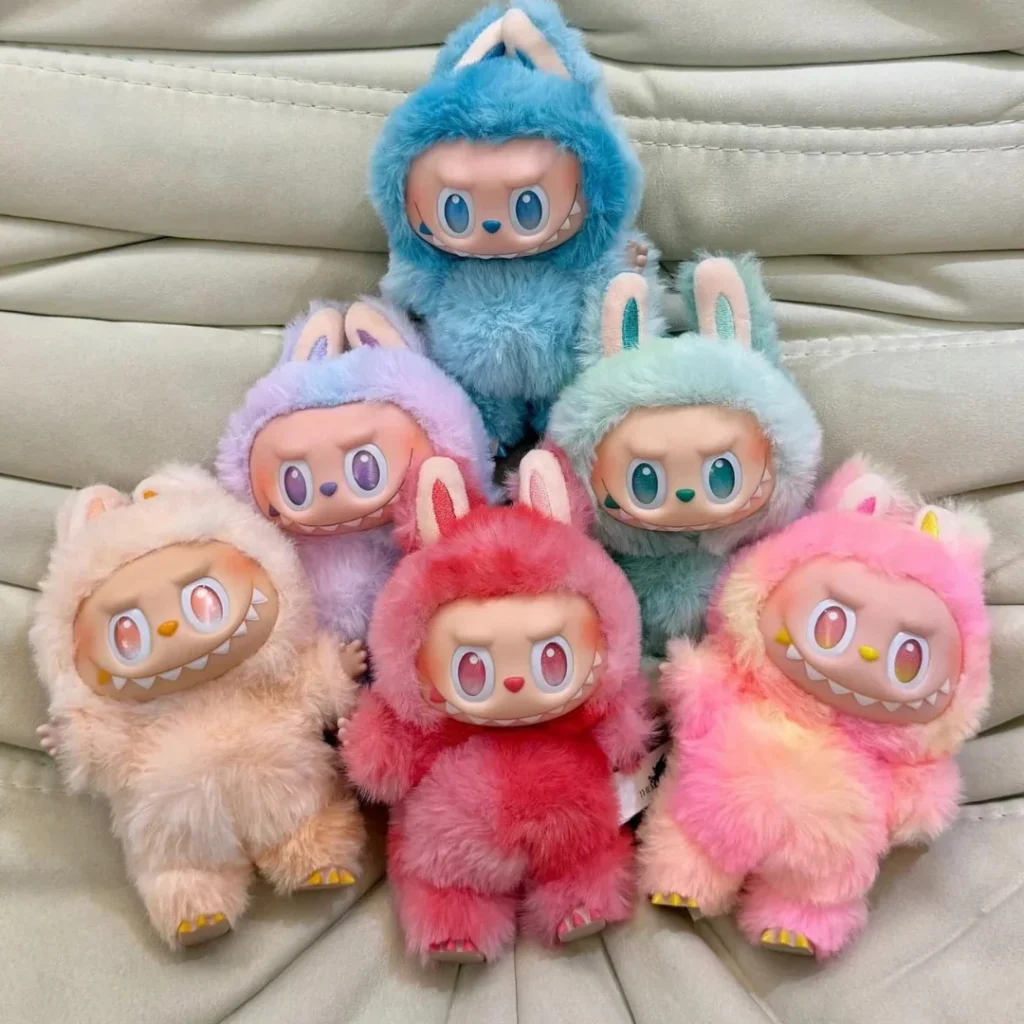
In the ever-evolving world of designer toys, few characters have sparked as much curiosity, affection, and debate as Labubu. At first glance, many people ask a simple question: Is Labubu a rabbit doll wearing shoes? The answer, however, is far more layered than a yes or no. Labubu is not just a doll, not just a rabbit, and certainly not just an accessory-clad toy. It is a character born from artistic imagination, emotional storytelling, and modern collectible culture. To truly understand Labubu, we need to explore its design, symbolism, footwear, and the creative universe it inhabits.
Understanding Labubu: More Than Just a Cute Doll
Labubu is a character created by Kasing Lung, a Hong Kong-based illustrator and toy artist known for blending fantasy with subtle darkness. Labubu belongs to a larger fictional world often referred to as The Monsters, a universe filled with whimsical yet emotionally complex creatures.
Calling Labubu simply a “doll” doesn’t do it justice. While it is physically produced as a vinyl or plush figure, Labubu represents a character with personality, mood, and narrative depth. Its mischievous grin, sharp teeth, and expressive eyes suggest emotions that go beyond cuteness—sometimes playful, sometimes eerie, sometimes oddly comforting.
This duality is exactly what draws people in. Labubu exists in the space between sweet and strange, making it deeply appealing to collectors who crave originality.
Is Labubu Actually a Rabbit?
One of the most common assumptions about Labubu is that it is a rabbit. This belief mostly comes from its long, pointed ears, which resemble those of a bunny. However, Labubu is not officially a rabbit.
According to its creator’s lore, Labubu is a fantasy monster creature, not tied to any real-world animal species. While rabbit-like elements are clearly part of its design, Labubu also features traits that contradict a traditional rabbit identity—such as sharp teeth, exaggerated facial expressions, and a mischievous, almost impish demeanor.
In other words, Labubu borrows from rabbits visually but does not belong to the rabbit family. It is a hybrid being, intentionally ambiguous, designed to let viewers project their own interpretations onto it.
The Shoes: Why Labubu’s Footwear Matters
One of the most distinctive and charming elements of Labubu shoes. Unlike many collectible dolls or vinyl figures that have simple feet or molded bases, Labubu often appears wearing detailed footwear—boots, sneakers, or stylized shoes that feel intentionally chosen rather than decorative.
These shoes are not an afterthought. They play a critical role in shaping Labubu’s personality.
Footwear gives Labubu a sense of movement and individuality. It suggests that Labubu walks through its world, goes on adventures, and exists beyond a static display shelf. Shoes make the character feel grounded and alive, almost like a tiny traveler stepping through imaginary forests, dreamscapes, or emotional landscapes.
For collectors, the shoes also add a layer of fashion and collectibility. Different Labubu editions may feature different styles of footwear, making each release feel fresh and story-driven.
Labubu as a Designer Toy, Not a Traditional Doll
To understand Labubu properly, it’s important to distinguish between a traditional doll and a designer toy.
Traditional dolls are often meant for play, storytelling, or role simulation, especially for children. Designer toys like Labubu, on the other hand, are created primarily as art objects. They are designed to be collected, displayed, and emotionally appreciated rather than played with.
Labubu’s proportions, facial expressions, and detailing are intentionally stylized. The character is not trying to mimic a human or animal realistically. Instead, it expresses mood and narrative through exaggeration, much like a character in a surreal illustration.
So while Labubu may resemble a doll in physical form, its purpose and identity align far more closely with art collectibles.
The Emotional Appeal of Labubu
What truly sets Labubu apart from other figures is its emotional resonance. Many collectors describe feeling an instant connection to Labubu, even if they can’t fully explain why.
The character often looks slightly mischievous, slightly lonely, and slightly defiant—all at the same time. This emotional ambiguity allows people to project their own feelings onto Labubu. For some, it represents childhood mischief. For others, it symbolizes resilience, curiosity, or quiet rebellion.
The addition of shoes enhances this emotional storytelling. Shoes imply journey, independence, and readiness. Labubu isn’t just sitting there—it’s going somewhere, even if that place exists only in imagination.
Why Labubu Is Often Mistaken for a Rabbit Doll with Shoes
The confusion around Labubu’s identity is understandable. There are three main reasons people label it as a rabbit doll:
First, the ears strongly resemble rabbit ears, making that association almost automatic.
Second, the soft color palettes and rounded forms used in many Labubu designs echo the aesthetics of cute animal toys.
Third, the shoes add a doll-like, anthropomorphic quality that people commonly associate with dressed-up animal dolls.
However, these surface-level traits don’t define Labubu’s true nature. Labubu is intentionally designed to blur boundaries—between animal and monster, cute and eerie, doll and artwork.
The Cultural Impact of Labubu in Collectible Art
Labubu has become a global phenomenon, especially in Asia, Europe, and among designer toy collectors worldwide. Limited releases, blind boxes, and exclusive collaborations have turned Labubu into a highly sought-after figure.
Its popularity reflects a broader cultural shift toward emotion-driven collectibles. People are no longer just collecting objects—they are collecting feelings, stories, and identities. Labubu fits perfectly into this movement because it feels personal, expressive, and alive.
The shoes, once again, play a subtle role here. They humanize Labubu just enough to make it relatable, without stripping away its fantastical essence.