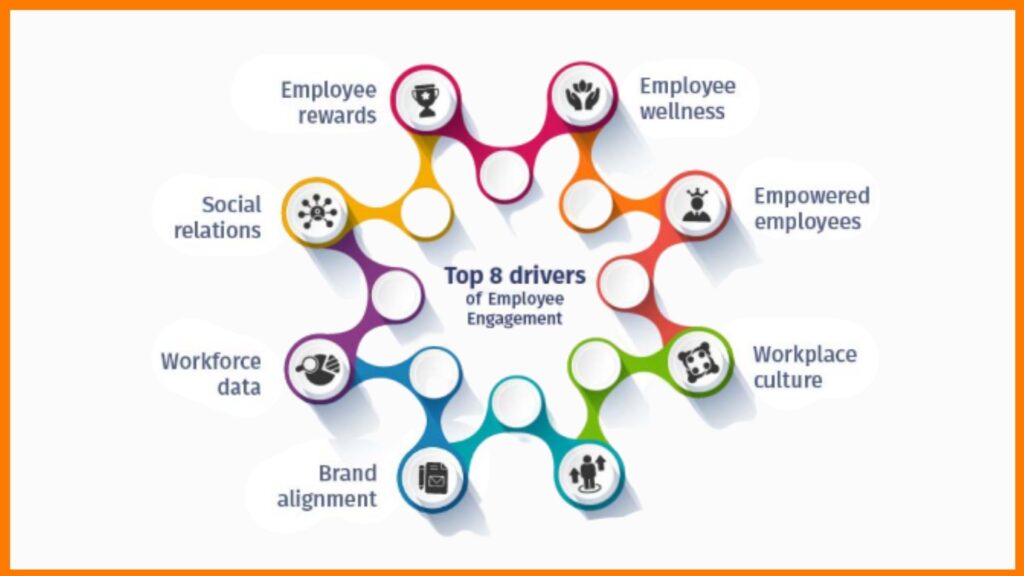
In the modern workplace, businesses face increasing pressure to balance productivity with employee satisfaction. Managing schedules, attendance, and performance across large teams can be complex and time-consuming. This is where a workforce management dashboard becomes invaluable.
A workforce management dashboard consolidates employee data into a single, easy-to-use platform, providing real-time insights into operations, performance, and engagement. By leveraging these insights, businesses can create a more efficient, motivated, and productive workforce.
Why Workforce Management Dashboards Matter
Traditional workforce management methods like spreadsheets and manual tracking often lead to inefficiencies, errors, and disengaged employees. Dashboards solve these problems by providing:
- Real-time visibility into employee performance and availability
- Centralized scheduling to reduce conflicts and overtime
- Data-driven insights for smarter decision-making
By automating routine tasks and simplifying workforce management, managers can focus on strategic initiatives that drive business growth.
Key Benefits of Workforce Management Dashboards
1. Improved Employee Engagement
Dashboards make performance metrics transparent and accessible, helping employees understand expectations and track their progress. This transparency fosters motivation and accountability, leading to higher engagement and job satisfaction.
2. Efficient Scheduling and Resource Allocation
Automated scheduling ensures the right employees are in the right place at the right time. This reduces workload stress, prevents burnout, and ensures business operations run smoothly.
3. Enhanced Decision-Making
With consolidated workforce data, managers can identify trends, predict staffing needs, and allocate resources effectively. Data-driven decisions minimize errors, reduce costs, and improve overall operational efficiency.
4. Boosted Productivity and Performance
Dashboards allow managers to monitor team performance in real-time. By identifying skill gaps and optimizing workflows, businesses can enhance productivity while supporting employee growth and development.
5. Scalability for Growing Businesses
As organizations expand, workforce management becomes more complex. Dashboards scale with your business, accommodating more employees, locations, and metrics without losing efficiency.
Features of an Effective Workforce Management Dashboard
- Customizable KPIs: Track metrics that matter most to your business.
- Interactive Visualizations: Charts, graphs, and heatmaps make data easy to understand.
- Automated Reporting: Generate accurate reports quickly for management review.
- Role-Based Access: Maintain data security while providing relevant information to the right teams.
- Predictive Analytics: Forecast workforce needs and plan proactively.
Industries Benefiting Most
While valuable across all sectors, dashboards are especially useful in industries with dynamic staffing needs:
- Healthcare
- Retail and e-commerce
- Manufacturing
- IT and software development
- Hospitality and services
The Future of Workforce Management
The future of workforce management dashboards is data-driven and predictive. Integration with AI and machine learning will allow dashboards to not only provide insights but also recommend actions like optimal staffing schedules or targeted employee development programs.
Conclusion
A workforce management dashboard is more than just a monitoring tool it’s a strategic asset that drives both employee engagement and business growth. By streamlining operations, enhancing productivity, and empowering employees, organizations can create a smarter, more motivated workforce and achieve sustainable success.