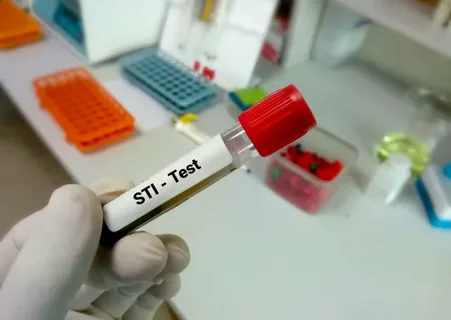
Sexually transmitted infections (STIs) are a common health concern globally, affecting millions of people each year. Despite the prevalence of STIs, many individuals do not seek testing due to fear, embarrassment, or simply because they don’t experience any noticeable symptoms. However, early detection through STI testing is crucial for maintaining sexual health and preventing the spread of infections. This article will explore why STI testing is so important, how it can protect your health, and the role that urgent care centers play in making testing more accessible and convenient.
Understanding STI Testing
Sexually transmitted infections can range from mild to severe and often go unnoticed, especially in the early stages. Many STIs, such as chlamydia, gonorrhea, and syphilis, may not present obvious symptoms, which means individuals can unknowingly transmit the infection to their partners. Testing for STIs is an essential part of sexual health care, and it plays a vital role in preventing complications from untreated infections.
STI testing typically involves a simple procedure where samples of blood, urine, or bodily fluids are taken from the individual and analyzed for common STIs. These tests can be done at urgent care centers, which offer a faster and more accessible alternative to traditional healthcare facilities. Regardless of your sexual activity or symptoms, getting tested regularly is a step toward protecting your health and the health of others.
The Importance of STI Testing for Your Health
Early Detection Saves Lives
One of the most critical benefits of STI testing is early detection. Many sexually transmitted infections do not show symptoms immediately, which means an individual may unknowingly harbor the infection for weeks, months, or even years. Early testing and diagnosis can prevent the infection from progressing to more severe stages, reducing the risk of long-term health complications.
For example, untreated chlamydia and gonorrhea can lead to pelvic inflammatory disease (PID) in women, a condition that can cause infertility if not treated. Similarly, untreated syphilis can cause damage to organs, including the heart and nervous system, leading to permanent damage or death. Testing for these infections early allows individuals to receive the necessary treatment and avoid these devastating outcomes.
Protecting Your Reproductive Health
Reproductive health is one of the areas most affected by untreated STIs. If left unchecked, infections like chlamydia and gonorrhea can lead to scarring of the fallopian tubes, which can result in infertility. Women who do not seek treatment for STIs are at higher risk of experiencing complications with pregnancy or may even face issues with their reproductive organs later in life.
For men, STIs such as chlamydia or gonorrhea can cause epididymitis, an infection of the testicles that can lead to infertility if untreated. By seeking testing, individuals can prevent these complications and maintain good reproductive health throughout their lives.
Preventing the Spread of STIs
Another significant benefit of STI testing is the role it plays in preventing the spread of infections. STIs can be easily transmitted between sexual partners, and some infections can even be spread without any visible symptoms. By getting tested, you not only protect yourself but also help protect your partners from potential infections. If an individual is diagnosed with an STI, treatment can begin immediately, reducing the chance of transmitting the infection to others.
Reducing the Stigma Around STIs
STIs are often surrounded by stigma and shame, which can prevent people from seeking the necessary care. The reality is that STIs are common, and nearly every sexually active person will contract at least one STI in their lifetime if they are not practicing safe sex or are not regularly tested. By normalizing the conversation around STI testing and reducing the stigma, more individuals are likely to seek testing, which ultimately leads to better public health outcomes.
The Role of Urgent Care Centers in STI Testing
Accessibility and Convenience
Urgent care centers have become an increasingly popular option for STI testing due to their accessibility, affordability, and convenience. Unlike primary care physicians or sexual health clinics, urgent care centers often offer extended hours, including weekends and holidays, allowing individuals to receive testing when it fits into their schedules.
For those who may feel uncomfortable seeking care at a traditional clinic or doctor’s office, urgent care centers offer a more relaxed and private environment. This ease of access is essential in encouraging more people to get tested regularly.
Speed of Testing and Results
Urgent care centers are known for providing quick and efficient care. When you visit an urgent care center for STI testing, you can typically expect to receive results within a few days, depending on the type of test. The quick turnaround time allows for fast intervention, especially if the results are positive. This speed ensures that you can begin treatment immediately, reducing the risk of complications and preventing the spread of the infection to others.
The Types of STI Tests Available at Urgent Care
Urgent care centers offer a variety of STI tests, including:
- Urine Tests: These tests are commonly used to detect chlamydia and gonorrhea. The individual is asked to provide a urine sample, which is then tested in a lab.
- Blood Tests: Blood tests are used to detect infections like HIV, syphilis, and hepatitis. These tests typically require a blood draw, which is then sent to a lab for analysis.
- Swab Tests: Swab tests involve taking a sample from the genital area, throat, or anus to test for infections such as herpes, gonorrhea, and chlamydia. The procedure is quick and relatively painless.
Each of these tests is designed to be minimally invasive and provides results that can help individuals get the treatment they need quickly.
How to Prepare for STI Testing
Be Honest About Your Sexual History
Before undergoing STI testing, it’s essential to be open and honest with the healthcare provider. Your sexual history, including the number of partners, types of protection used, and whether you have any symptoms, will help determine which tests are appropriate for you. This transparency ensures that the correct tests are performed and that you receive the best care.
Avoid Sexual Activity Before the Test
In some cases, it’s recommended that you avoid sexual activity for at least 24 hours before the test to ensure the accuracy of results, particularly for swab tests. Avoiding sexual activity can help prevent the spread of any existing infections and ensure that the test results are not compromised.
Prepare for the Results
While it’s normal to feel anxious about STI test results, it’s important to stay calm. Many STIs are treatable with antibiotics or antiviral medications, and early detection is key to effective treatment. If your test results come back positive, the healthcare provider at the urgent care center will discuss treatment options with you. In most cases, treatment is straightforward and can help you return to good health quickly.
Conclusion
In conclusion, STI testing is a vital component of maintaining sexual health and preventing the spread of infections. Regular testing not only helps detect infections early, but it also protects your reproductive health, reduces the risk of transmission, and allows for timely treatment. Urgent care centers play an essential role in making STI testing accessible and convenient, providing individuals with a quick and confidential way to get tested and receive the care they need.
If you’re sexually active or have any concerns about your sexual health, make STI testing a priority. The benefits far outweigh the risks, and early detection can help ensure that you stay healthy and continue to enjoy a fulfilling life.