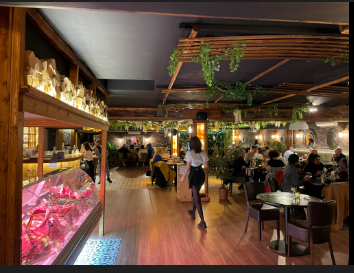
Halal dining is an essential part of everyday life for many Muslim families in Bolton. As the demand for halal food continues to grow, Bolton halal restaurants have become increasingly careful and professional in how they maintain halal standards. Ensuring food is genuinely halal is not just about serving halal meat; it involves a complete system that includes sourcing, preparation, cooking, staff training, hygiene, and transparency.
This article explains in detail how Bolton halal restaurants ensure halal standards, why these standards matter, and what makes Bolton a trusted destination for halal dining.
Understanding the Meaning of Halal in Food
The word halal means “permissible” according to Islamic law (Shariah). When applied to food, halal guidelines define what Muslims are allowed to eat and how food must be prepared.
For food to be halal:
- The ingredients must be halal
- Meat must come from halal animals
- Animals must be slaughtered according to Islamic rules
- Blood must be fully drained
- Food must not be contaminated with haram (forbidden) items
Bolton halal restaurants are aware that halal compliance is a religious obligation, not a trend, and they treat it with seriousness and respect.
Sourcing Halal Meat From Trusted Suppliers
Working With Halal-Certified Suppliers
One of the most important steps Bolton halal restaurants take is sourcing meat from trusted halal-certified suppliers. These suppliers follow Islamic slaughter guidelines and are often approved by recognised halal certification bodies.
Restaurants typically:
- Purchase meat only from halal-approved abattoirs
- Request halal certification documents from suppliers
- Avoid suppliers that handle non-halal meat
By controlling the supply chain, Bolton halal restaurants ensure halal integrity from the very beginning.
Islamic Slaughter Process
Halal meat must be slaughtered in a specific way:
- The slaughterer must be a sane adult Muslim
- The name of Allah must be mentioned at the time of slaughter
- A sharp knife must be used for a swift cut
- Blood must be drained completely
Bolton halal restaurants rely on suppliers who strictly follow these rules, ensuring the meat they serve is halal before it even reaches the kitchen.
Preventing Cross-Contamination
Separate Storage Facilities
To maintain halal standards, Bolton halal restaurants use separate storage systems for halal food. This prevents accidental contact with non-halal items.
Common practices include:
- Dedicated refrigerators and freezers
- Clearly labelled halal storage containers
- Strict stock control procedures
This separation is essential to preserve halal compliance.
Separate Preparation Equipment
Halal restaurants in Bolton also use:
- Separate knives for halal meat
- Dedicated chopping boards
- Designated food preparation areas
These steps ensure that halal food does not come into contact with haram substances.
Alcohol-Free Restaurant Policies
Many Bolton halal restaurants operate with strict alcohol-free policies, which is a key part of maintaining halal standards. Alcohol is considered haram in Islam, and its absence reassures Muslim diners.
Alcohol-free policies include:
- No alcohol served on the premises
- No alcohol used in cooking or sauces
- Use of halal alternatives for flavouring
This makes halal restaurants suitable for families and faith-conscious customers.
Halal Cooking Methods
Dedicated Grills and Cooking Surfaces
Bolton halal restaurants ensure that:
- Grills are used only for halal meat
- No pork or non-halal items are cooked on the same equipment
- Cooking surfaces are cleaned thoroughly
This guarantees that halal food remains uncontaminated during cooking.
Halal Ingredients and Additives
Beyond meat, halal restaurants check all ingredients carefully, including:
- Sauces and marinades
- Oils and fats
- Seasonings and preservatives
Ingredients containing alcohol, animal by-products, or non-halal additives are avoided.
Staff Training and Awareness
Educating Staff About Halal Standards
Staff training plays a vital role in halal compliance. Bolton halal restaurants train staff to understand:
- The meaning and importance of halal
- Proper handling of halal food
- The risks of cross-contamination
Trained staff help maintain consistent halal standards every day.
Halal-Aware and Muslim Staff
Many halal restaurants in Bolton employ Muslim staff or staff experienced in halal food handling. This adds an extra level of assurance and cultural understanding.
Halal Certification and Transparency
Halal Certification Bodies
Some Bolton halal restaurants are certified by recognised halal authorities. Certification involves inspections of:
- Meat sourcing
- Kitchen practices
- Storage and preparation methods
Certification provides visible proof of halal compliance.
Open Communication With Customers
Halal restaurants in Bolton often build trust by:
- Displaying halal certificates
- Answering customer questions honestly
- Clearly stating halal policies on menus or websites
Transparency strengthens customer confidence.
Fully Halal Menus
Many Bolton halal restaurants operate with 100% halal menus, meaning:
- All meat served is halal
- No pork products are used
- No alcohol-based dishes are included
This removes confusion and allows customers to order with peace of mind.
Catering to Dietary and Lifestyle Needs
In addition to halal food, many restaurants also offer:
- Vegetarian and vegan options
- Gluten-free dishes
- Health-conscious meals
This inclusivity makes Bolton halal restaurants welcoming to a wider audience.
Hygiene and Food Safety Standards
Halal standards work alongside UK food safety laws. Bolton halal restaurants follow:
- Regular cleaning routines
- Food hygiene inspections
- Safe food handling practices
Cleanliness supports both halal integrity and customer safety.
Why Halal Standards Matter to Customers
For Muslim diners, halal food is a religious requirement. Knowing a restaurant follows halal standards allows customers to:
- Eat with confidence
- Trust the restaurant
- Bring family and guests comfortably
Halal standards also appeal to non-Muslim diners who value ethical food sourcing.
The Role of Community Trust in Bolton
Bolton has a strong Muslim community, and reputation matters. Restaurants that consistently maintain halal standards benefit from:
- Loyal customers
- Positive reviews
- Word-of-mouth recommendations
Trust is essential for long-term success.
How Customers Can Check Halal Standards
Customers can verify halal standards by:
- Asking staff about meat sourcing
- Checking halal certificates
- Reading online reviews
- Looking for alcohol-free policies
Bolton halal restaurants usually welcome these questions.
The Future of Halal Restaurants in Bolton
As demand continues to grow, Bolton halal restaurants are likely to:
- Increase transparency
- Seek formal certification
- Expand halal menu options
This growth reflects Bolton’s reputation as a halal-friendly town.
FAQ – How Do Bolton Halal Restaurants Ensure Halal Standards?
How do Bolton halal restaurants ensure their meat is halal?
They source meat from trusted halal-certified suppliers who follow Islamic slaughter rules.
Do Bolton halal restaurants serve alcohol?
Most Bolton halal restaurants are alcohol-free to maintain halal compliance.
How is cross-contamination prevented?
Restaurants use separate storage, equipment, and preparation areas for halal food.
Are all Bolton halal restaurants certified?
Some are certified by halal authorities, while others follow strict halal practices without formal certification but remain transparent.
Can non-Muslims eat at Bolton halal restaurants?
Yes, halal restaurants welcome everyone and are known for high-quality and ethical food.
How can I be sure a halal restaurant in Bolton is genuine?
Ask staff, check certificates, review menus, and read customer reviews.