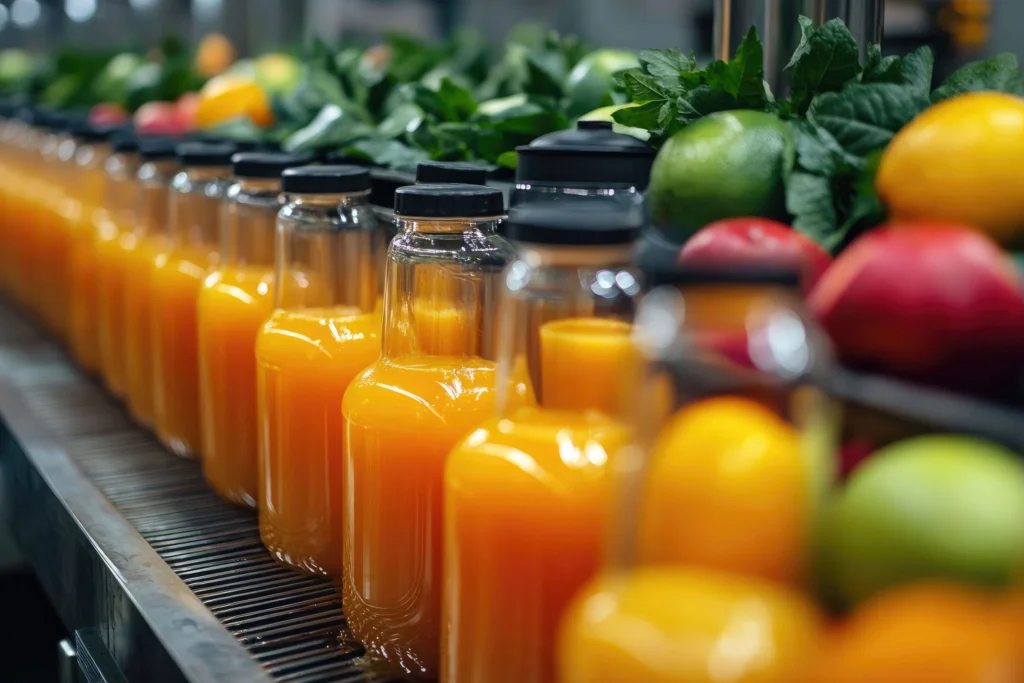
In today’s competitive beverage market, taste is no longer just a product attribute because it has become the identity of the brand itself. Consumers remember beverages not by labels or packaging alone but by how the drink makes them feel with the very first sip. A signature taste experience is what separates an ordinary beverage from one that earns consumer trust, loyalty, repeat purchases, and emotional connection. Let’s explore how beverage companies can intentionally design, develop, and sustain signature taste experiences through a structured, professional, and scalable approach, aligned with modern food and flavour industry standards.
Signature Taste Experience
A signature taste experience is a consistent and recognizable flavor profile that consumers associate with a specific beverage brand. It is not limited to sweetness, bitterness, or aroma alone but includes the full sensory journey, from the initial smell to the lingering aftertaste. This experience must remain stable across batches, regions, and time while still feeling authentic and enjoyable. For beverage companies, a signature taste is a long-term asset that defines brand positioning and market differentiation.
Brand’s Taste Identity
The foundation of any signature taste experience begins with a clear taste identity, and beverage companies must first understand what their brand represents in sensory terms. This includes deciding whether the beverage should feel refreshing, indulgent, energizing, calming, or nostalgic. Taste identity acts as a blueprint that guides every formulation decision. Without a defined taste direction, flavor development becomes inconsistent and disconnected from brand goals.
Consumer Taste Preferences
Once the taste identity is established, the next step is understanding the target consumer’s flavor preferences. Different consumer segments respond differently to sweetness levels, spice intensity, acidity, and mouthfeel. Beverage companies must align their flavor development with regional tastes, cultural expectations, and consumption habits. A signature taste succeeds when it feels familiar enough to be enjoyable yet distinct enough to be memorable.
Right Flavor Components
Flavor selection is the structural core of beverage formulation, as this stage involves choosing suitable flavor components that support the intended taste identity. Natural flavors, extracts, and essences must complement each other rather than compete in your formulation. Balance is critical, as overpowering notes can distort the intended experience.
Flavor Balance and Consistency
A signature taste experience relies on a precise balance of all the flavours and ingredients, and ensures that sweetness does not mask acidity, and bitterness does not overpower aroma. Beverage companies achieve this balance through controlled formulation and repeated sensory evaluation. Every bottle, can, or glass must deliver the same taste experience regardless of production scale, because this consistency builds consumer trust and reinforces brand recognition.
Aroma, Mouthfeel, and Aftertaste
Aroma plays a critical role in perception, often shaping expectations before the first sip. Mouthfeel influences how the beverage feels on the tongue, whether light, smooth, or full-bodied. Aftertaste determines how long the experience lingers. A strong signature taste experience integrates all three elements seamlessly, creating a complete sensory profile rather than a single dominant note.
Long-Term Stability
Stability is essential for maintaining signature taste over time, and beverage formulations must withstand storage, transportation, and varying temperatures without flavor degradation. Ingredient compatibility and proper processing techniques ensure that the taste experience remains unchanged from production to consumption. Long-term stability protects brand reputation and reduces quality variations.
Quality Control
Quality control ensures that the intended taste experience is preserved at every stage of production. Standardized testing, batch sampling, and sensory checks help identify deviations before products reach consumers. Strong quality systems prevent flavor drift and ensure compliance with food safety standards. Consistent quality reinforces the reliability of the signature taste.
Align Taste with Market Trends
Consumer preferences evolve, but a signature taste should not be compromised by short-term trends. Beverage companies must adapt carefully, refining formulations without altering the core flavor identity. This balance allows brands to stay relevant while preserving the taste that consumers recognize and trust.
Core Elements That Shape a Signature Beverage Taste
- Clearly defined taste identity
- Consumer-focused flavor development
- Balanced formulation and sensory integration
- Consistent quality control and stability
The Role of Expert Flavor Development Partners
Building a signature taste often requires specialized expertise in flavor science and beverage formulation. Professional flavor developers in Pakistan understand how ingredients interact and how sensory perception works across different beverage types. Collaborating with experienced partners allows beverage companies to translate their taste vision into a scalable, consistent, and market-ready product.
Conclusion
A signature taste experience is not created by chance, as it is the result of deliberate planning, structured formulation, and disciplined execution. From defining a taste identity to maintaining long-term consistency, every step plays a critical role in shaping how consumers perceive and remember a beverage. Beverage companies that invest in thoughtful flavor development, sensory balance, and quality control can build taste experiences that stand out in crowded markets and remain relevant over time. When taste becomes a signature rather than a feature, it transforms beverages into lasting brands.