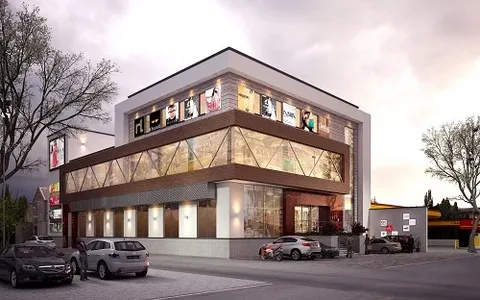
In today’s fast-paced world of construction and architecture, 3D architectural exterior rendering has become a game-changer. Architects, designers, and real estate developers now rely on this technology to present building designs in a realistic and visually engaging way. Unlike traditional blueprints or 2D sketches, 3D renderings bring a structure to life before the first brick is laid. This transformation in building design not only improves communication but also ensures more precise planning and decision-making.
Understanding the Basics of 3D Architectural Rendering
3D architectural exterior rendering is the process of creating a lifelike digital image of a building’s exterior using specialized software. These renderings can showcase textures, lighting, shadows, and materials in ways that traditional drawings cannot. By using photorealistic techniques, architects can produce images that look almost identical to a finished building. This technology allows clients and stakeholders to understand the final appearance, helping them make informed choices.
The rendering process often starts with 3D modeling. In this phase, every element of the building, from walls to windows and doors, is carefully created in digital space. Once the model is complete, rendering software adds realistic textures, colors, and lighting effects to simulate natural conditions. This combination of modeling and rendering results in highly accurate visualizations that closely resemble real-world buildings.
Advantages of 3D Architectural Exterior Rendering in Modern Design
Enhancing Design Visualization
One of the biggest benefits of 3D exterior rendering is that it enhances design visualization. Architects can present complex designs in a way that anyone can understand, even without technical knowledge. Clients can see how the building will look from different angles, during various times of the day, and under different weather conditions. This level of clarity reduces misunderstandings and helps everyone involved share a unified vision.
Facilitating Better Decision-Making
Modern building projects involve multiple stakeholders, including clients, contractors, and city planners. 3D architectural visualization makes it easier for these groups to evaluate designs and suggest changes. If a client wants to modify the façade, roof style, or materials, adjustments can be made in the rendering before construction begins. This proactive approach saves time, reduces costs, and minimizes the risk of errors during the building process.
Improving Marketing and Presentation
For real estate developers, 3D exterior renderings are not just technical tools; they are powerful marketing assets. Realistic renderings can be used in brochures, websites, and social media to attract potential buyers or investors. Unlike 2D drawings, 3D images provide a true sense of scale, style, and aesthetic appeal. This helps create excitement and confidence among buyers even before the property is constructed.
How 3D Architectural Rendering Supports the Building Design Process
Streamlining Collaboration
The building design process involves architects, engineers, interior designers, and contractors. 3D renderings act as a universal language that everyone can understand. By visualizing the design, teams can identify potential issues, coordinate structural elements, and refine details collaboratively. This reduces miscommunication and ensures that the project moves smoothly from concept to completion.
Experimenting with Materials and Lighting
One of the most significant advantages of exterior rendering is the ability to experiment with materials, colors, and lighting effects. Architects can try different types of bricks, glass panels, or wood finishes to see how they complement the overall design. Similarly, realistic lighting simulations show how natural sunlight and artificial lights will affect the building’s appearance. These experiments help create aesthetically pleasing designs and functional structures.
Supporting Sustainability and Efficiency
3D architectural exterior rendering also contributes to sustainable building practices. By simulating sunlight exposure, shadows, and airflow, designers can optimize energy efficiency and environmental performance. For example, rendering techniques can highlight areas where natural lighting reduces the need for artificial lighting or where building orientation maximizes solar energy. This approach aligns with modern architecture’s focus on eco-friendly and energy-efficient designs.
The Role of Software in 3D Architectural Visualization
3D Modeling and Rendering Tools
Creating realistic exterior renderings requires advanced software tools. Programs like Autodesk 3ds Max, SketchUp, Lumion, and Blender are widely used in architectural visualization. These platforms offer features such as photorealistic rendering, material libraries, and real-time lighting effects. Using these tools, architects can generate high-quality images that accurately represent the design.
Advancements in Rendering Technology
Over the years, rendering technology has evolved significantly. Modern software supports ray tracing, global illumination, and physically based rendering, producing lifelike shadows, reflections, and textures. Real-time rendering has also become popular, allowing designers to make adjustments on the fly and immediately see the impact on the final visualization. These advancements enhance the quality and accuracy of architectural exterior renderings.
Impact on Modern Architecture and Design Trends
Elevating Client Expectations
3D architectural exterior rendering has raised the expectations of clients and investors. People now want to see highly detailed, photorealistic previews of buildings before making decisions. This trend encourages architects to push the boundaries of creativity while maintaining precision and realism in their designs.
Influencing Urban Planning
Beyond individual projects, 3D renderings also influence urban planning. City planners can use these visualizations to assess how a new building will fit into its surroundings, impact the skyline, or interact with public spaces. This holistic approach ensures that new developments enhance the cityscape and respect existing infrastructure.
Supporting Modern Design Innovation
The combination of 3D modeling and rendering inspires innovation in modern architecture. Architects can experiment with complex geometries, futuristic materials, and dynamic lighting schemes. By visualizing these bold ideas before construction, they can take calculated risks and create iconic structures that define contemporary design trends.
Conclusion
3D architectural exterior rendering has revolutionized the way buildings are designed, presented, and marketed. It bridges the gap between imagination and reality, allowing architects, clients, and stakeholders to experience a building before it exists. From enhancing visualization and decision-making to supporting sustainability and innovative design, 3D renderings have become an essential tool in modern architecture.
As technology continues to advance, the possibilities for 3D architectural visualization will expand even further. Realistic renderings will become more interactive, immersive, and accessible, ensuring that every building project benefits from precise planning, clear communication, and striking design. For architects and developers, embracing 3D exterior rendering is no longer optional—it is the future of building design.