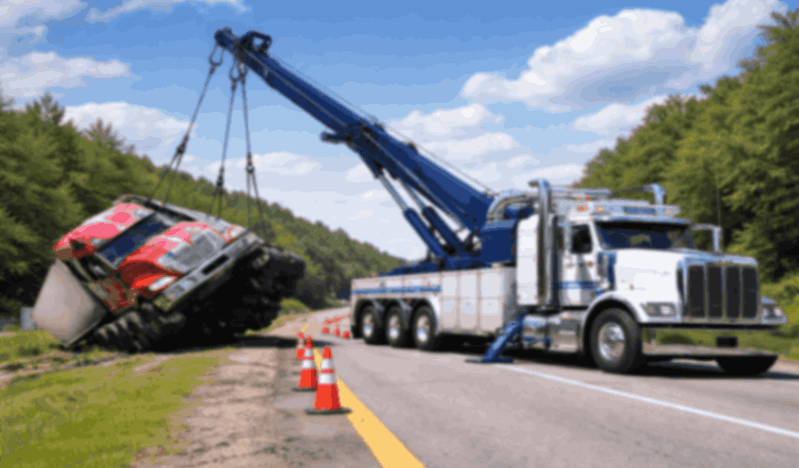
When massive vehicles break down or oversized machinery needs relocation, standard towing simply isn’t enough. This is where Heavy Duty Towing plays a critical role. Designed to handle extreme weight, size, and complexity, heavy duty towing is an essential service for industries such as logistics, construction, mining, public transportation, and emergency response. Far beyond just pulling a disabled truck off the road, it is a specialized operation that combines powerful equipment, skilled operators, and strict safety protocols.
What Is Heavy Duty Towing?
Heavy Duty Towing refers to the recovery, transport, and roadside assistance of large vehicles and equipment that exceed the capacity of light or medium-duty tow trucks. These include semi-trucks, tractor-trailers, buses, RVs, cement mixers, fire engines, armored vehicles, and industrial machinery. Due to their size and weight, these vehicles require specialized tow trucks, advanced rigging techniques, and experienced towing professionals.
Unlike basic towing, heavy duty towing often involves complex recovery scenarios such as rollovers, jackknifed trailers, off-road extractions, and accident cleanups. Every operation is carefully planned to minimize damage, ensure safety, and restore traffic flow efficiently.
Why Heavy Duty Towing Is Essential
Large vehicles are the backbone of modern infrastructure. They transport goods, build cities, and support emergency services. When one of these vehicles breaks down or is involved in an accident, the consequences can be severe—traffic congestion, safety hazards, financial losses, and operational delays. Heavy duty towing ensures that these situations are handled quickly and professionally.
Key reasons heavy duty towing is essential include:
- Road Safety: Disabled heavy vehicles pose serious risks to other motorists. Professional towing removes hazards promptly.
- Operational Continuity: Fleet operators depend on fast recovery to reduce downtime and protect delivery schedules.
- Damage Prevention: Improper towing can cause costly damage to vehicles, cargo, and road infrastructure.
- Emergency Response: In accidents or natural disasters, heavy duty towing supports rescue and cleanup operations.
Equipment Used in Heavy Duty Towing
One of the defining aspects of heavy duty towing is the specialized equipment involved. These machines are engineered to handle extreme loads while maintaining stability and control.
Rotator Tow Trucks
Rotators are among the most advanced towing vehicles available. They feature rotating booms capable of lifting and moving heavy vehicles from difficult positions, such as over guardrails or down embankments.
Heavy Wreckers
These are powerful tow trucks with reinforced frames, multiple axles, and high-capacity winches. They are commonly used for long-distance towing and highway recoveries.
Flatbeds and Lowboys
For transporting heavy equipment or damaged vehicles, flatbed trailers and lowboy trailers are used to safely load and haul oversized loads.
Winches, Chains, and Rigging Gear
High-strength cables, chains, straps, and pulleys are essential for secure lifting and pulling operations. Proper rigging is critical to safety and success.
The Skill Behind Heavy Duty Towing
Heavy duty towing is not just about equipment—it’s about expertise. Operators undergo extensive training to handle complex recovery situations. They must understand vehicle dynamics, load distribution, anchoring techniques, and safety regulations.
A professional heavy duty towing operator assesses the scene, identifies risks, and develops a recovery plan before any equipment is deployed. This planning stage is crucial, especially in high-traffic areas or unstable environments. Communication with law enforcement, emergency responders, and fleet managers is also a key part of the process.
Common Situations Requiring Heavy Duty Towing
Heavy duty towing services are called upon in a wide range of scenarios, including:
- Breakdowns: Engine failure, transmission issues, or mechanical faults in large vehicles.
- Accidents: Collisions involving trucks or buses often require complex recovery and debris removal.
- Rollovers: Uprighting overturned vehicles demands precise lifting and stabilization.
- Off-Road Recovery: Construction or mining equipment stuck in mud, sand, or uneven terrain.
- Load Shifts: Cargo that has shifted or fallen requires careful handling to prevent further damage.
- Long-Distance Transport: Moving heavy vehicles or machinery between locations or job sites.
Safety and Compliance in Heavy Duty Towing
Safety is the top priority in every heavy duty towing operation. Due to the risks involved, strict compliance with industry standards and local regulations is mandatory. This includes proper signage, traffic control, use of personal protective equipment, and adherence to weight and load limits.
Modern heavy duty towing companies also rely on technology such as GPS tracking, load sensors, and hydraulic monitoring systems to enhance precision and safety. Regular equipment inspections and maintenance ensure reliability when it matters most.
Benefits of Professional Heavy Duty Towing Services
Choosing a professional heavy duty towing provider offers several advantages:
- Reduced Downtime: Fast response times and efficient recovery get vehicles back in operation sooner.
- Cost Efficiency: Proper handling prevents secondary damage and costly repairs.
- 24/7 Availability: Emergencies don’t follow schedules, and professional services are available around the clock.
- Expert Handling: Trained operators know how to manage challenging situations safely.
- Peace of Mind: Fleet managers and drivers can trust that their vehicles are in capable hands.
Heavy Duty Towing and Modern Industries
As industries grow and vehicles become more advanced, the demand for reliable heavy duty towing continues to rise. Logistics companies rely on it to keep supply chains moving. Construction firms depend on it to transport and recover expensive machinery. Municipalities use it to manage public transport incidents and maintain road safety.
With increasing traffic volumes and stricter safety regulations, heavy duty towing has evolved into a highly professional and technology-driven service. It is no longer a reactive solution but a strategic support system for large-scale operations.
Choosing the Right Heavy Duty Towing Partner
Not all towing companies are equipped to handle heavy duty jobs. When selecting a provider, it’s important to consider their fleet capabilities, operator experience, response time, and safety record. A reputable heavy duty towing company will offer transparent communication, clear pricing, and a proven track record of successful recoveries.
Conclusion
Heavy Duty Towing is an indispensable service that keeps major vehicles, industries, and roadways functioning smoothly. From emergency recoveries to planned equipment transport, it combines power, precision, and professionalism. As infrastructure and transportation demands continue to grow, heavy duty towing will remain a critical pillar supporting safety, efficiency, and reliability on our roads.