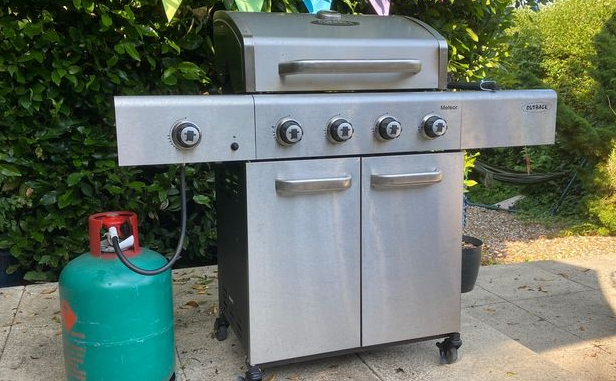
Grilling is one of the most popular ways to enjoy delicious meals outdoors. A perfectly cooked steak, a juicy burger, or charred vegetables are highlights of any backyard gathering. For many, gas BBQs are the grill of choice due to their convenience, quick heating, and precise temperature control. However, gas BBQs also come with potential hazards, especially when it comes to handling propane or gas bottles. Understanding gas BBQ and bottle safety is crucial for every grill master to prevent accidents, ensure longevity of equipment, and enjoy worry-free cookouts. In this article, we will explore essential safety tips, maintenance advice, and practical strategies to keep you and your loved ones safe while grilling.
1. Understanding Your Gas BBQ
Before diving into safety tips, it’s important to understand how your gas BBQ works. Most gas grills operate using either propane or natural gas. Propane comes in portable cylinders, while natural gas is usually supplied through a fixed pipeline. Both types use a controlled ignition system to ignite gas, which then heats the burners.
While gas BBQs are convenient, they require careful handling. Improper use, leaks, or lack of maintenance can lead to dangerous situations, including fires or explosions. Therefore, becoming familiar with your grill and its components is the first step toward safety.
2. Inspect Your Gas Bottle Regularly
A gas bottle, commonly a propane tank, is the heart of your gas BBQ. Treat it with care:
- Check for Leaks: Before every use, inspect your gas bottle for leaks. You can apply a soap and water solution to connections and hoses. If bubbles appear, it indicates a gas leak.
- Inspect the Valve and Hose: Look for cracks, corrosion, or damage. Replace any worn-out hoses immediately.
- Check Expiry Date: Propane bottles have a certified date. Using expired bottles increases the risk of failure. Always adhere to the recommended replacement schedule.
A proactive inspection can prevent accidents before they even happen.
3. Safe Storage of Gas Bottles
Proper storage of your gas bottle is vital:
- Store Upright: Always keep propane cylinders upright to prevent leaks. This ensures the safety valve functions correctly.
- Keep Away from Heat: Never store bottles near stoves, heaters, or other sources of heat. High temperatures can increase internal pressure and pose explosion risks.
- Avoid Confined Spaces: Gas should never be stored in enclosed areas like garages or basements. Propane is heavier than air and can accumulate, creating a fire hazard.
Remember, a well-stored gas bottle is a safe gas bottle.
4. Proper Connection and Disconnection
Connecting your gas bottle incorrectly can result in dangerous leaks or fires. Here’s how to ensure a safe connection:
- Turn Off the Valve: Before connecting or disconnecting the bottle, make sure the valve is completely closed.
- Check the Connection: Use the manufacturer’s instructions to attach the hose securely. Avoid over-tightening, which can damage fittings.
- Test for Leaks: After connecting, always perform a leak test with a soap and water solution. Never use a flame to check for leaks—it’s extremely dangerous.
When disconnecting, allow the grill to cool down first, then turn off the gas and remove the bottle safely.
5. Use Your Grill in Well-Ventilated Areas
A common mistake is using a gas BBQ in poorly ventilated spaces. Always grill in an open area:
- Avoid Indoor Use: Never use a gas grill indoors or in enclosed patios. Accumulation of gas can lead to carbon monoxide poisoning or explosions.
- Maintain Distance from Flammable Items: Keep the grill away from fences, dry leaves, and overhanging branches.
- Consider Wind Direction: Strong winds can blow flames or gas towards you. Position your grill to avoid potential hazards.
Proper ventilation is one of the simplest and most effective ways to prevent accidents.
6. Never Leave Your Grill Unattended
A gas BBQ should never be left unattended while operating:
- Monitor Flames: Sudden flare-ups can occur. Stay nearby to control them immediately.
- Supervise Children and Pets: Keep kids and pets away from the grill to prevent burns or accidents.
- Use a Timer: For longer cooking sessions, use a timer to remind yourself to check the grill regularly.
Even experienced grill masters can make mistakes if they leave the BBQ unattended.
7. Clean Your Grill Regularly
Grease and food residue can be highly flammable. Maintaining a clean BBQ reduces fire risks:
- Clean Burners: Remove grease from burners and trays regularly.
- Scrape Grates: After each use, scrape cooking grates to prevent buildup.
- Empty Drip Trays: Accumulated grease in drip trays can ignite. Empty and clean trays frequently.
A clean grill not only prevents fire hazards but also improves flavor and performance.
8. Use the Right Tools
Using proper tools designed for grilling enhances safety:
- Long-Handled Utensils: Keep a safe distance from flames and hot surfaces.
- Heat-Resistant Gloves: Protect your hands from burns.
- Stable Grill Surface: Ensure your BBQ is placed on a flat, stable surface to prevent tipping.
Safety gear and tools might seem minor, but they significantly reduce injury risks.
9. Emergency Preparedness
Accidents can still happen, so be prepared:
- Keep a Fire Extinguisher Nearby: A small, dry-chemical fire extinguisher is ideal for grill fires.
- Know How to Shut Off Gas: Familiarize yourself with the grill’s shutoff valve and emergency procedures.
- Avoid Water on Grease Fires: Never pour water on a grease fire—it can make the flames spread.
Being prepared for emergencies ensures you can act quickly and prevent serious damage.
10. Be Mindful of Gas Refills
Refilling gas bottles incorrectly is dangerous:
- Use Certified Refill Stations: Only refill at authorized locations to ensure proper handling.
- Avoid Overfilling: Overfilled cylinders increase pressure and risk leaks.
- Transport Safely: Keep bottles upright during transport and secure them to prevent tipping.
Safe refilling practices protect you and everyone around you.
11. Educate Everyone Around the Grill
Safety is not just your responsibility. Anyone who uses your gas BBQ should know the basics:
- Demonstrate Proper Usage: Show family or friends how to connect, ignite, and shut off the grill safely.
- Highlight Safety Zones: Mark safe areas around the grill where people should not stand.
- Share Emergency Procedures: Make sure everyone knows what to do in case of a leak or fire.
Educating others prevents accidents caused by unfamiliarity with the equipment.
12. Common Mistakes to Avoid
Even experienced grillers can make mistakes. Avoid these common pitfalls:
- Ignoring Leaks: Never assume a small hissing sound is harmless.
- Using Old or Damaged Equipment: Cracked hoses or expired bottles are high-risk.
- Overcrowding the Grill: Too many items can cause flare-ups.
- Leaving Gas On After Cooking: Always turn off the bottle after grilling.
- Using Lighter Fluid: Gas BBQs do not require additional flammable liquids.
Being aware of these mistakes keeps your grilling sessions safe and enjoyable.
13. The Benefits of Proper Gas BBQ Safety
Following safety tips is not just about preventing accidents—it has additional benefits:
- Longevity of Equipment: Proper maintenance and handling increase the lifespan of your grill and bottles.
- Better Cooking Results: A well-maintained grill distributes heat more evenly.
- Peace of Mind: Knowing you are grilling safely allows you to enjoy the experience without stress.
Ultimately, safety enhances both your cooking and your overall outdoor experience.
14. Final Tips for Grill Masters
To sum up, here are key reminders for every grill master:
- Inspect your gas bottle before every use.
- Store bottles upright, away from heat and confined spaces.
- Always grill in open, ventilated areas.
- Keep the grill clean and maintain equipment.
- Educate everyone around you about safety practices.
- Prepare for emergencies with the right tools and knowledge.
By making safety a priority, grilling becomes a fun, relaxing, and delicious activity for everyone.
Conclusion
Grilling with a gas BBQ offers unmatched convenience, flavor, and control, but it comes with responsibility. Gas BBQ and bottle safety is not something to take lightly—leaks, improper storage, or careless handling can quickly turn a fun cookout into a dangerous situation. By inspecting your equipment regularly, storing bottles properly, grilling in safe environments, and educating everyone around you, you create a safe and enjoyable grilling experience. Remember, a careful grill master is a confident grill master. With these safety tips in mind, you can focus on perfecting your recipes, entertaining guests, and making every outdoor meal memorable without worry.