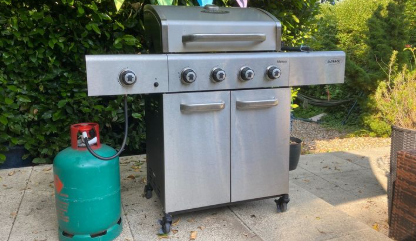
Gas barbecues have become a staple for outdoor cooking enthusiasts, offering convenience, speed, and consistent heat. Unlike traditional charcoal grills, gas barbecues provide precise temperature control and clean cooking. However, like any equipment, they can experience issues, and the gas bottle is often the culprit. Understanding how to troubleshoot and fix common gas barbecue bottle problems can save you time, prevent accidents, and ensure your grill is ready for action.
In this article, we’ll explore the most common gas bottle issues, their causes, and practical solutions for each, ensuring your outdoor cooking experience remains enjoyable and safe.
1. Understanding Gas Barbecue Bottles
Before diving into troubleshooting, it’s essential to understand how gas barbecue bottles work. A typical gas barbecue uses liquefied petroleum gas (LPG), commonly stored in propane or butane bottles. The gas flows through a regulator to the barbecue, where it mixes with air and ignites at the burners.
Key components include:
- Gas Bottle: Stores the LPG under pressure.
- Regulator: Controls gas flow and maintains safe pressure.
- Hose: Connects the bottle to the barbecue.
- Burners: Distribute the gas for ignition and cooking.
Knowing these parts helps identify where a problem originates and whether it’s a bottle issue, regulator malfunction, or burner blockage.
2. Common Gas Barbecue Bottle Problems
Here are the most common issues you may encounter with a gas bottle:
a. Gas Bottle Won’t Deliver Gas
Symptoms: The barbecue won’t ignite, or flames are weak.
Possible Causes:
- The gas bottle is empty.
- The regulator is blocked or faulty.
- Hoses are kinked or damaged.
Quick Fixes:
- Check the Gas Level: Most bottles have a gauge or can be weighed to determine if gas remains. If empty, replace or refill the bottle.
- Inspect the Regulator: Ensure it’s not clogged or frozen (especially in cold weather).
- Check the Hose: Straighten any kinks and inspect for cracks or damage. Replace if necessary.
Pro Tip: Tap the side of the bottle gently; a hollow sound often indicates it’s empty.
b. Gas Leakage
Symptoms: Smell of gas around the bottle, regulator, or hose.
Possible Causes:
- Loose connections between bottle, regulator, and hose.
- Damaged or cracked hose.
- Faulty regulator seal.
Quick Fixes:
- Tighten Connections: Ensure the regulator and hose are securely attached. Avoid over-tightening, which can damage threads.
- Perform a Soap Test: Mix water and soap, then apply it to connections. Bubbles indicate a leak.
- Replace Damaged Parts: If the hose or regulator shows wear, replace immediately.
Safety Tip: If you detect a strong gas smell, turn off the bottle immediately and move the barbecue away from enclosed spaces. Do not light the grill until the leak is fixed.
c. Low Flame or Uneven Heating
Symptoms: The burners produce weak or uneven flames.
Possible Causes:
- Partially empty gas bottle.
- Blocked burner jets.
- Regulator stuck in “high” or “low” pressure mode.
Quick Fixes:
- Check Gas Supply: Ensure the bottle has enough gas and is upright.
- Clean the Burners: Remove and clean burner holes with a soft brush to remove grease or debris.
- Reset the Regulator: Turn off the gas, disconnect the regulator, wait a few minutes, reconnect, and slowly open the valve.
Maintenance Tip: Regular cleaning prevents buildup that can reduce flame efficiency.
d. Regulator Freezing
Symptoms: Gas flow slows down in cold weather, making flames weak or inconsistent.
Cause: Gas regulators can freeze in temperatures below 5°C, particularly with propane.
Quick Fixes:
- Warm the Regulator: Move the bottle to a warmer area or gently warm the regulator with a cloth soaked in warm water.
- Avoid Overuse: Use smaller bottles or multiple bottles in freezing conditions to maintain pressure.
Pro Tip: Butane gas freezes at higher temperatures than propane, so propane bottles are generally better for cold-weather grilling.
e. Bottle Valve Stuck or Hard to Turn
Symptoms: Difficulty turning the valve to open or close the gas supply.
Possible Causes:
- Rust or corrosion on the valve.
- Dirt or debris inside the valve.
Quick Fixes:
- Lubricate Safely: Use a non-flammable lubricant around the valve handle (never inside the gas flow).
- Clean the Valve: Gently remove dirt or corrosion using a brush.
- Replacement: If the valve remains stiff, replace the gas bottle.
Safety Tip: Never force a stuck valve as it can damage the bottle or cause leaks.
f. Hissing Sound from the Bottle
Symptoms: A hissing noise when the valve is opened.
Possible Causes:
- Gas escaping from a small leak.
- High-pressure release from the regulator.
Quick Fixes:
- Inspect Connections: Ensure hoses and regulator are tightly fitted.
- Soap Bubble Test: Apply soapy water to detect leaks.
- Replace Defective Parts: If the sound persists, replace the regulator or hose.
Note: A gentle hissing sound is normal immediately after opening the valve; continuous hissing indicates a leak.
3. Preventative Tips for Gas Bottle Issues
Proper maintenance reduces the risk of problems. Here are essential tips:
a. Store Gas Bottles Safely
- Keep bottles upright in a well-ventilated area.
- Avoid direct sunlight or extreme heat, which can increase pressure.
- Store away from flammable materials.
b. Regularly Inspect and Replace Hoses
- Check hoses for cracks, kinks, or wear every month.
- Replace hoses every few years or if damaged.
c. Clean Regulators and Burners
- Wipe regulators and burner holes with a soft cloth.
- Remove grease buildup to prevent blockages.
d. Use Quality Gas Bottles and Regulators
- Choose certified bottles and regulators.
- Avoid cheap alternatives that may compromise safety.
e. Monitor Gas Levels
- Always check the level before a barbecue session.
- Keep a spare bottle for uninterrupted cooking.
4. When to Call a Professional
While many gas bottle issues can be resolved with simple troubleshooting, some situations require professional assistance:
- Persistent leaks after checking connections.
- Damaged or corroded gas bottles.
- Faulty regulators that cannot be reset.
- Problems with inbuilt safety valves.
Calling a licensed technician ensures safety and prevents accidents. Remember, gas is highly flammable, and ignoring persistent issues can lead to dangerous situations.
5. Quick Checklist for Gas Barbecue Bottle Troubleshooting
To make troubleshooting easier, here’s a simple checklist you can follow before grilling:
- Check gas level – Ensure enough gas is available.
- Inspect hoses – Look for cracks, kinks, or leaks.
- Examine regulator – Ensure it’s functioning and not frozen.
- Clean burners – Remove debris for even flame distribution.
- Test for leaks – Apply soapy water on connections.
- Check valve operation – Open and close smoothly.
- Ensure proper storage – Upright and ventilated location.
By systematically following these steps, most common issues can be resolved quickly and safely.
6. Conclusion
A gas barbecue bottle is a key component of any outdoor cooking setup, but it can sometimes be tricky to manage. From low flames and gas leaks to regulator freezes and stuck valves, understanding the causes and quick fixes for common problems ensures safe and enjoyable grilling.
Regular maintenance, proper storage, and careful monitoring of gas levels go a long way in preventing issues. Simple checks like inspecting hoses, cleaning burners, and testing for leaks can save time, reduce frustration, and enhance safety.
For stubborn problems or suspected leaks, always prioritize safety and consult a professional. With the right approach, troubleshooting your gas barbecue bottle becomes straightforward, leaving you free to enjoy perfectly grilled meals every time.