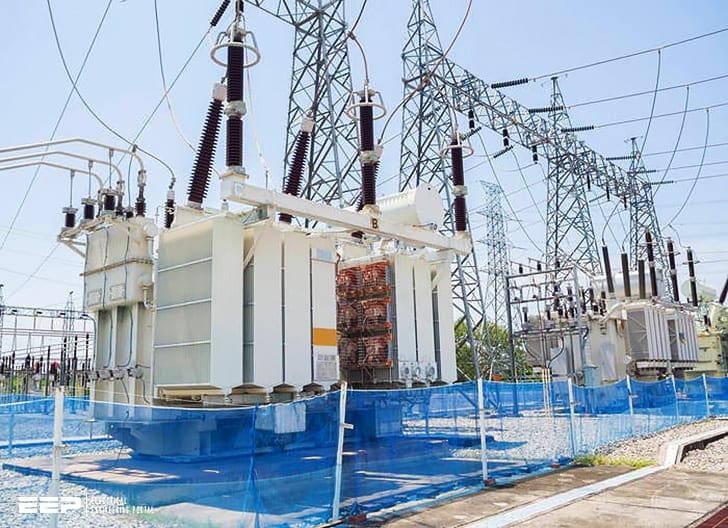
High-Voltage Substation Engineering plays a critical role in modern power systems by ensuring electricity is transmitted safely, efficiently, and reliably from generation sources to end users. Substations act as the backbone of electrical infrastructure, managing voltage levels and controlling power flow across long distances. A well-engineered high-voltage substation not only improves system stability but also minimizes power losses and enhances operational safety. Understanding its essential components helps explain how complex electrical networks operate smoothly every day.
Role of High-Voltage Substations in Power Systems
High-voltage substations are designed to handle large amounts of electrical energy while maintaining system balance. They step up voltage levels for long-distance transmission or step them down for distribution, depending on their function. High-Voltage Substation Engineering focuses on coordinating electrical, mechanical, and civil design elements to ensure uninterrupted power delivery. These substations are strategically located to reduce transmission losses and support growing energy demands in industrial, commercial, and residential sectors.
Power Transformers as the Core Component
Power transformers are the heart of any high-voltage substation. Their primary purpose is to change voltage levels without altering frequency, making electricity suitable for transmission or distribution. In High-Voltage Substation Engineering, transformer selection depends on capacity, voltage rating, cooling method, and environmental conditions. Proper installation and insulation are crucial because transformers operate under extreme electrical and thermal stress. Reliable transformer performance directly impacts the overall efficiency and lifespan of the substation.
Switchgear and Circuit Breakers for System Control
Switchgear and circuit breakers provide control and protection within a high-voltage substation. They allow operators to isolate faulty sections of the network and safely interrupt current during abnormal conditions. High-Voltage Substation Engineering emphasizes the coordination of protective devices to ensure faults are cleared quickly without affecting the entire system. Modern circuit breakers use advanced technologies such as SF6 gas or vacuum insulation to improve safety, speed, and reliability during switching operations.
Busbars and Conductors for Power Distribution
Busbars and conductors form the pathways through which electrical power flows within the substation. They are designed to carry high currents with minimal losses while withstanding thermal and mechanical stress. In High-Voltage Substation Engineering, material selection and layout planning are essential to maintain clearances and reduce electromagnetic interference. Properly designed busbar systems improve operational flexibility and make maintenance activities safer and more efficient.
Insulation Systems and Electrical Clearances
Insulation systems are fundamental to preventing electrical breakdowns and ensuring personnel safety. High-voltage equipment requires carefully designed insulation using air, oil, gas, or solid materials. High-Voltage Substation Engineering standards define minimum clearances between live parts and grounded structures to avoid flashovers. Environmental factors such as humidity, pollution, and temperature are also considered when designing insulation systems to maintain long-term reliability.
Protection and Control Systems for Reliability
Protection and control systems act as the intelligence of a high-voltage substation. They monitor electrical parameters and detect abnormal conditions such as overloads, short circuits, or voltage fluctuations. High-Voltage Substation Engineering integrates relays, sensors, and communication systems to ensure rapid fault detection and response. Modern digital control systems enable remote monitoring and automation, improving response time and reducing the risk of human error.
Grounding and Safety Systems
Grounding systems are essential for protecting equipment and human life. They provide a low-resistance path for fault currents to dissipate safely into the earth. In High-Voltage Substation Engineering, grounding design considers soil resistivity, fault current levels, and step-and-touch voltage limits. A well-designed grounding system minimizes the risk of electric shock and equipment damage during fault conditions.
Civil and Structural Design Considerations
Civil and structural elements support the electrical components and ensure the substation can withstand environmental and operational stresses. Foundations, steel structures, and control buildings must be designed to handle equipment weight, seismic forces, and weather conditions. High-Voltage Substation Engineering requires close coordination between electrical and civil disciplines to ensure durability, accessibility, and efficient space utilization throughout the substation’s lifecycle.
High-Voltage Substation Engineering by Keentel Engineering
Keentel Engineering brings practical expertise and innovative thinking to High-Voltage Substation Engineering, delivering solutions that balance performance, safety, and long-term value. The company focuses on designing substations that meet international standards while adapting to local site conditions and project requirements. By integrating advanced protection systems, efficient layouts, and robust construction practices, Keentel Engineering supports reliable power infrastructure that grows with future energy demands and strengthens the overall stability of electrical networks.