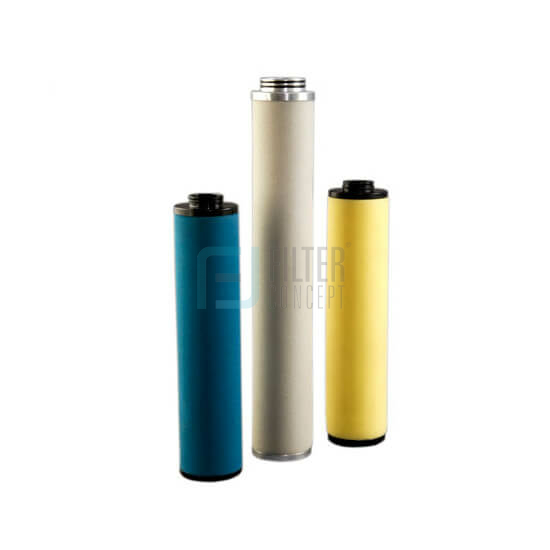
Compressed air is often called the fourth utility in modern industry. From manufacturing and food processing to automotive workshops and pharmaceutical plants, it powers tools, controls machinery, and supports critical operations. Yet many businesses overlook one essential component that determines how reliable and safe their compressed air system really is: the Compressed Air Filter.
A compressed air system is only as good as the quality of air it delivers. Without proper filtration, compressed air can carry dust, oil aerosols, water vapor, rust particles, and even microorganisms. These contaminants may seem invisible, but their impact on equipment performance, product quality, and operating costs can be significant. In this blog, we explore what a compressed air filter is, why it matters, the different types available, and how to choose the right one for your application.
What Is a Compressed Air Filter?
A compressed air filter is a device installed in a compressed air line to remove contaminants before the air reaches downstream equipment or processes. During compression, ambient air is squeezed, causing moisture to condense and contaminants to concentrate. This mixture then travels through pipes unless filtered effectively.
The primary role of a compressed air filter is to trap and remove solid particles, oil droplets, and moisture. Clean air improves system efficiency, protects sensitive equipment, and ensures compliance with quality and safety standards, especially in industries where air purity is critical.
Why Compressed Air Filtration Is Essential
Many organizations underestimate the damage unfiltered compressed air can cause. Here are the key reasons why a compressed air filter is not optional, but essential:
1. Equipment Protection
Compressed air tools, valves, cylinders, and control systems are designed to operate with clean air. Dirt and moisture can cause corrosion, blockages, and premature wear, leading to frequent breakdowns and costly repairs.
2. Improved Product Quality
In sectors like food and beverage, pharmaceuticals, electronics, and textiles, compressed air often comes into direct or indirect contact with products. Contaminated air can spoil batches, cause defects, or lead to product recalls.
3. Energy Efficiency
Clogged or poorly maintained systems force compressors to work harder, increasing energy consumption. Proper filtration reduces pressure drops and helps maintain optimal system performance.
4. Workplace Safety
Oil mist, moisture, and particulate matter released from compressed air lines can create slippery surfaces or unhealthy air conditions. A reliable compressed air filter contributes to a safer working environment.
5. Compliance with Standards
Many industries must meet specific air quality standards, such as ISO 8573. A suitable compressed air filter helps achieve and maintain these requirements.
Common Contaminants in Compressed Air
Understanding what needs to be removed helps in selecting the right compressed air filter. Typical contaminants include:
- Solid particles: Dust, dirt, rust, and pipe scale
- Water: Condensed moisture from humidity in intake air
- Oil: Lubricating oil aerosols and vapors from compressors
- Microorganisms: Bacteria and spores in sensitive applications
Each contaminant type requires a specific level of filtration, often achieved by using multiple filters in sequence.
Types of Compressed Air Filters
There is no one-size-fits-all compressed air filter. Different filters target different contaminants and are often combined in a filtration system.
1. Particulate Filters
Particulate filters remove solid particles such as dust, rust, and dirt. They are usually the first stage of filtration and protect downstream filters from excessive load.
2. Coalescing Filters
Coalescing filters are designed to remove fine oil aerosols and very small water droplets. They work by forcing tiny droplets to merge into larger ones, which then drain away. These filters are essential for applications requiring high air purity.
3. Activated Carbon Filters
Activated carbon filters remove oil vapors, odors, and hydrocarbons. They are commonly used in food processing, pharmaceutical production, and breathing air systems.
4. Sterile Filters
Sterile compressed air filters are used where air must be free from microorganisms. These filters are typically installed in medical, pharmaceutical, and biotechnology applications.
How a Compressed Air Filter Works
A compressed air filter works by directing air through a filtering medium. As the air passes through, contaminants are captured while clean air continues downstream. Many filters include an automatic or manual drain to remove collected water and oil.
Proper installation is crucial. Filters should be installed with the correct airflow direction, adequate spacing for maintenance, and appropriate pressure ratings. A poorly installed compressed air filter may reduce efficiency or fail prematurely.
Choosing the Right Compressed Air Filter
Selecting the correct compressed air filter depends on several factors:
1. Air Quality Requirements
Identify how clean the air needs to be. For general industrial tools, basic particulate filtration may be sufficient. For sensitive processes, multi-stage filtration is necessary.
2. Flow Rate and Pressure
Ensure the compressed air filter can handle the system’s flow rate without causing excessive pressure drop. Undersized filters reduce performance and increase energy costs.
3. Type of Compressor
Oil-lubricated compressors introduce oil aerosols, requiring coalescing and carbon filtration. Oil-free compressors still need filtration for particles and moisture.
4. Operating Environment
Dusty or humid environments may require more robust filtration and frequent maintenance.
Maintenance and Replacement Best Practices
A compressed air filter is only effective when properly maintained. Neglecting maintenance can negate its benefits.
- Monitor pressure drop: A rising pressure drop indicates a clogged filter element.
- Replace filter elements on schedule: Follow manufacturer recommendations or replace earlier if operating conditions are severe.
- Check drains regularly: Ensure water and oil drains are functioning correctly.
- Inspect housings and seals: Leaks reduce efficiency and may allow contaminants to bypass the filter.
Regular maintenance not only extends filter life but also protects the entire compressed air system.
Benefits of Investing in Quality Compressed Air Filters
While low-cost filters may seem attractive, investing in a high-quality compressed air filter delivers long-term value:
- Reduced downtime and maintenance costs
- Longer equipment lifespan
- Consistent product quality
- Lower energy consumption
- Improved regulatory compliance
Over time, these benefits often outweigh the initial cost of premium filtration solutions.
Future Trends in Compressed Air Filtration
As industries focus on sustainability and efficiency, compressed air filtration technology continues to evolve. Modern compressed air filters are designed with lower pressure drops, longer service intervals, and environmentally friendly materials. Smart monitoring systems are also emerging, allowing real-time tracking of filter performance and predictive maintenance.
Conclusion
A Compressed Air Filter may be a small component within a large system, but its impact is enormous. Clean compressed air protects equipment, ensures product quality, improves efficiency, and supports a safe working environment. By understanding the types of compressed air filters available and choosing the right solution for your needs, you can significantly enhance the reliability and performance of your compressed air system.
Whether you operate a small workshop or a large industrial facility, prioritizing proper compressed air filtration is not just good practice—it is a smart investment in long-term operational success.