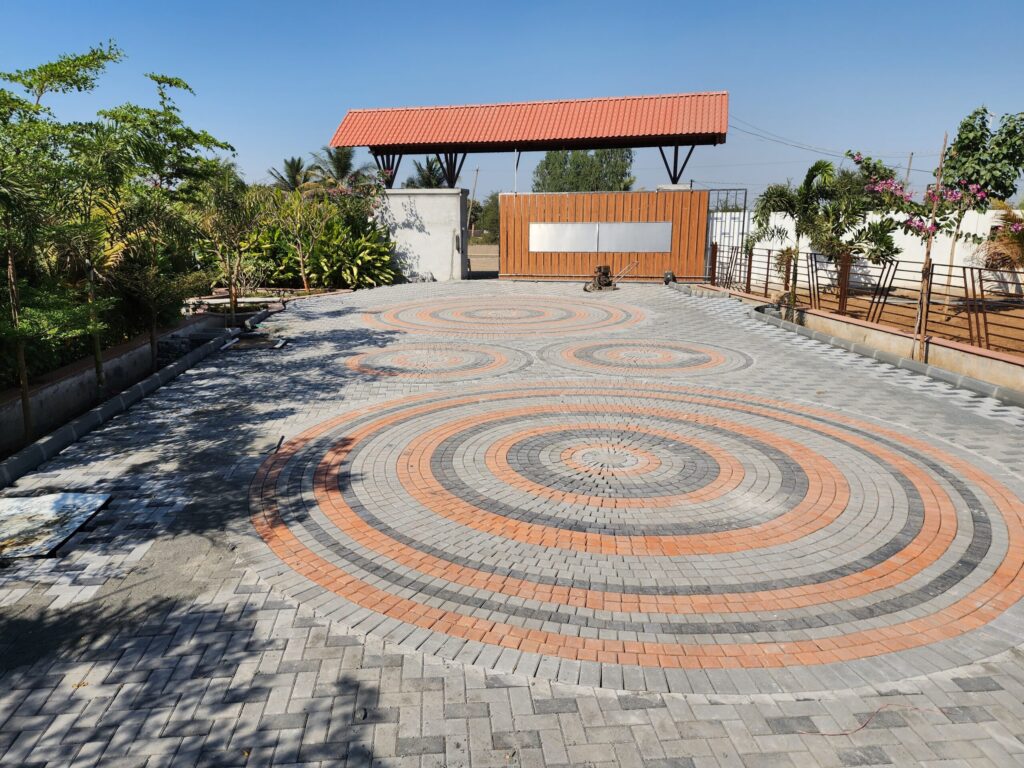
Circular Paver Block: A Versatile Flooring Solution for Outdoor Spaces
A Circular Paver Block is a specially designed concrete paving unit that combines strength, durability, and visual appeal to create attractive and stable outdoor surfaces. Unlike conventional rectangular or square blocks, Circular Paver Blocks are shaped in a rounded pattern, allowing for unique design possibilities in driveways, garden paths, patios, plazas, and other outdoor flooring applications.
In this blog, we will explain what a Circular Paver Block is, examine its key benefits, explore common applications, outline the installation process, and provide practical maintenance tips. By the end, you will understand why Circular Paver Blocks are an excellent choice for both residential and commercial projects.
What Is a Circular Paver Block?
A Circular Paver Block is a precast concrete flooring unit manufactured in a circular or rounded profile. These blocks are produced under controlled conditions to achieve uniform strength and dimensional accuracy. The circular shape allows for distinctive layout patterns, enabling designers and property owners to create aesthetically appealing surfaces that stand out from traditional paving solutions.
Circular Paver Blocks are engineered to interlock or fit closely together, forming a durable and stable surface that resists shifting, cracking, and wear under pressure. They are suitable for areas subject to vehicular traffic, pedestrian movement, and varying climatic conditions.
Key Benefits of Using Circular Paver Block
1. Unique Aesthetic Appeal
One of the foremost advantages of a Circular Paver Block is its aesthetic versatility. The rounded pattern creates visually engaging layouts that enhance the overall appearance of outdoor spaces. These distinctive designs add character to driveways, walkways, and patios while maintaining a formal and structured look.
2. High Structural Strength
Circular Paver Blocks are manufactured using high-quality concrete and compression techniques that ensure consistent compressive strength. This makes them capable of withstanding heavy loads, including vehicular traffic, without cracking or losing shape. Their robust nature makes them suitable for residential driveways, commercial parking areas, and public plazas.
3. Enhanced Surface Stability
The interlocking design of Circular Paver Blocks distributes applied loads evenly across the surface, reducing the risk of surface displacement. Because each unit fits precisely with adjacent blocks, the result is a stable and level surface that can resist wear and movement over time.
4. Efficient Water Drainage
When installed correctly with appropriate joint materials and base layers, Circular Paver Blocks allow water to seep through the joints and into the ground. This natural infiltration reduces waterlogging and surface runoff, making them suitable for regions with frequent rainfall.
5. Ease of Maintenance and Repair
A Circular Paver Block surface is easier to repair than poured concrete slabs. If a section becomes damaged or stained, individual blocks can be replaced without disturbing the entire area. This modularity reduces maintenance time and cost over the lifespan of the pavement.
Applications of Circular Paver Block
Circular Paver Blocks are versatile and can be used in a variety of outdoor settings:
Residential Driveways
The strength and design flexibility of Circular Paver Blocks make them an ideal choice for residential driveways. Their patterned arrangement not only sustains vehicle loads but also elevates the aesthetic value of the home exterior.
Garden Pathways and Patios
In garden areas and patios, Circular Paver Blocks create a harmonious layout that blends seamlessly with landscaping elements. Their rounded form enhances visual flow and complements natural settings.
Commercial and Public Areas
For plazas, courtyards, and commercial walkways, Circular Paver Blocks provide a durable surface that accommodates high foot traffic while offering an attractive finish. Their structured design enhances the formal appearance of public spaces.
Outdoor Seating and Entertainment Areas
Circular Paver Blocks are well-suited for outdoor seating zones and entertainment spaces where a combination of strength and visual appeal is required.
In addition to Circular Paver Blocks, other concrete products like kerbstones play a key role in defining boundaries and edging in outdoor flooring projects. (Internal link: learn more about kerbstones and how they complement paving solutions.)
Types and Finishes of Circular Paver Block
Circular Paver Blocks are available in a range of finishes and surface textures to suit different design and functional needs:
Plain Finish Circular Blocks
These have a smooth surface and uniform color, making them suitable for classic and minimalistic designs.
Textured Surface Blocks
Textured Circular Paver Blocks provide additional grip underfoot and enhance visual texture, ideal for pedestrian zones and garden areas.
Colored Circular Paver Blocks
Color can be integrated during production, allowing for design coordination with architectural themes or landscape elements.
Permeable Circular Blocks
Designed to allow water infiltration, permeable Circular Paver Blocks support efficient drainage and reduce surface runoff.
Choosing the right type of Circular Paver Block depends on expected load demands, environmental conditions, and aesthetic preferences.
Installation Process of Circular Paver Block
Correct installation is essential to ensure that Circular Paver Blocks deliver long-lasting performance. The typical installation process includes the following steps:
1. Site Preparation
Clear the area of vegetation, debris, and loose soil. The ground is then leveled and compacted to form a stable foundation for the paving surface.
2. Base Layer Installation
A base course of crushed stone or aggregate is spread and compacted to provide a strong and stable foundation. This layer helps distribute loads and prevent future settling.
3. Bedding Layer
Fine sand or bedding material is laid over the compacted base. This bedding layer allows for accurate placement and leveling of the paver blocks.
4. Laying Circular Paver Blocks
Circular Paver Blocks are placed in the selected design pattern, ensuring that units fit closely together. Precision during this stage ensures stability and proper alignment.
5. Joint Filling
Sand or fine aggregate is swept into the joints between blocks to lock them in place and enhance the surface’s stability.
6. Final Compaction
After laying and joint filling, the surface is compacted again to settle the blocks and maintain uniform levelness.
Professional installation is recommended to ensure proper alignment, drainage, and long-term stability of the Circular Paver Block surface.
Maintenance Tips for Long-Lasting Performance
Although Circular Paver Block surfaces are durable and low-maintenance, regular care will help preserve their appearance and functionality:
Routine Cleaning
Sweep the surface regularly to remove dust, fallen leaves, and other debris. Occasional washing with water helps maintain a clean look.
Weed Management
Weeds can grow between joints over time. Use appropriate weed barriers or manual removal to maintain a neat surface.
Refill Joint Sand
Over time, joint sand may wash away due to rainfall or cleaning. Replenish sand periodically to maintain interlocking strength.
Prompt Block Replacement
If any block is cracked or damaged, replace it promptly to prevent surface inconsistency.
Consistent and simple maintenance ensures that a Circular Paver Block surface continues to perform well for many years.
Conclusion
A Circular Paver Block is a durable, visually appealing, and flexible flooring solution for a wide range of outdoor applications. From residential driveways and garden paths to commercial plazas and public spaces, Circular Paver Blocks combine structural strength with design versatility. Easy maintenance, efficient drainage, and modular repair make them an efficient long-term solution for outdoor flooring needs. A Grass Paver Block provides a strong surface while allowing natural grass to grow through it