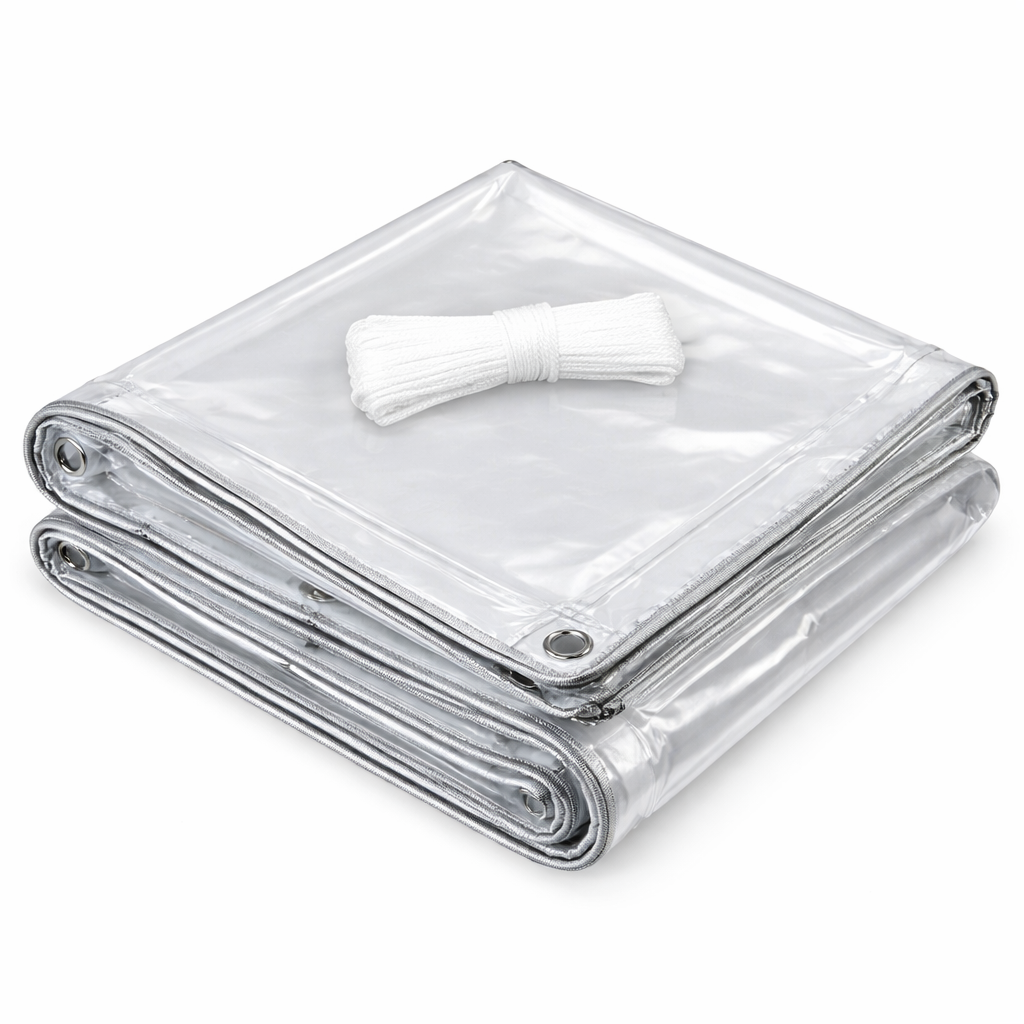
Tarpaulin is a waterproof material used for giving shelter and protection for short-term uses. The common tarpaulin used earlier is polyethylene and PVC and these materials are long lasting but non-recyclable. This means they remain in the environment for long after being disposed of. However, there are new, biodegradable, Waterproof Tarpaulin products available that have similar protective properties but which negatively affect the environment to a significantly smaller extent.
What are Biodegradable Tarpaulins?
Bio-degradable tarpaulins are protective coverts constructed from biodegradable materials that are capable of degrading into the immediate environment. Most of them are made from natural fibers and polymers including jute, hemp, cotton, starch, PLA, and natural latex rubber. As they decompose, they do not emit the dangerous chemicals which are usually found in plastic tarpaulins. It can be recycled back to the feeding chains and cycles if their materials are used for manufacture.
Advantages of Biodegradable Tarpaulins
Switching to biodegradable tarpaulins offers many advantages over traditional plastic ones:
- They are environment friendly in terms of contribution towards the reduction of plastic wastes and microplastics in water bodies and landfills. Their materials are biodegradable while plastics last for more than 450 years.
- Its production is one way of reducing carbon footprint as compared to plastic tarpaulins coming from fossil products. This in turn contributes to a reduction in greenhouse gas emissions.
- They are harmless to wildlife and ecosystems should they get lost or destroyed. They will not harm animals and plants that might entangle them or consume poisonous residues.
- In their end-use, they are commercially compostable and can have positive recycling while plastic tarpaulins end up in landfill or incineration.
For temporary outdoor uses, they are substantially a protective surface before they dissolve after use.
Where Are Biodegradable Tarpaulins Used?
Eco-friendly biodegradable Clear Tarpaulins are well-suited for many applications including:
- Agriculture & Horticulture: Offering covers over hay stocks, silage pits, feeders, and stuffers. As weed control in plant nurseries and orchards subsequently becomes ineffective at the end of the growing season.
- Construction Sites: In construction zones, they provide good short-term protection for materials and tools which have to be protected from moisture until the construction of proper shelter.
- Events: This category covers marquees, stall coverings, and temporary flooring at outdoor events & festivals. Particularly helpful for minimizing clutter if there is the likelihood of a storm or solid gusts of wind.
- Landscaping: In gardening projects moisture barriers are laid down at the early stages of developing new grassing areas and flowering beds. Also for control of weeds in ecological planting programs.
- Waste and Landfills: Whereas colored plastic covers are normally used to contain rubbish heaps and composting sites as effective daily covers that shall self-destruct after a few years, biodegradable tarps can equally be expected to perform the same duty in the same manner but within shorter periods.
Issues With The Use Of Biodegradable Tarpaulins
Transitioning over to biodegradable tarpaulins faces some difficulties:
- Due to this people are acquainted with cheaper types of plastic tarpaulin that will continue to function for years. The biodegradable ones may require replacement more often than the regular ones due to their quality.
- Natural fiber tarps are generally costlier to manufacture than regular plastics, therefore; costs are relatively high. The prices may come down with widespread use of the product for ordinary purposes, though.
- The degree of tear and water resistance may vary from that found in super robust plastic tarpaulin materials. Product testing is useful in choosing the right materials for their use or application.
- Education that there are eco-friendly biodegradable options available requires to be brought to the forefront in industries and with the consumers. On this premise, their usefulness in the area of sustainability should be driving demand.
The Future is Biodegradable
While the global population attempts to contain plastic pollution and adverse climate change impacts, creators find workarounds for designing ecologically sound polymers that are biodegradable. Organic and bio-degradable tarpaulins that could replace
ordinary plastic tarpaulins from the market are tarpaulins produced from jute, hemp, or any plant resources.
Even though premature to market issues such as costs and performance, biodegradable tarpaulin as discussed offers a mega opportunity to prevent waste, discourage landfills, and promote environmental-friendliness in every facet of industries. Its use should only grow with time as other people learn of their existence let alone their advantages. We can unequivocally say that biodegradability in our world has to be better to promote sustainability.
Conclusion
Eco-friendly outdoor protective tarpaulins with biodegradable properties derived from natural fibers are better than the normal plastic tarpaulin. This means that they can be dismantled at the end of their useful life to avoid cases of plastic pollution and the formation of new landfills. Their materials also have lower ammunition footprints from production. Given the existing constraints to broader uptake, biodegradable tarps are the way to go as we all seek to protect nature from harm occasioned by human-induced impacts. Read This
For instance, it has quite extensive uses in the agriculture, construction, events, and the landscaping industry. Therefore if more people get to be informed of the advantages they have over conventional tarpaulins, especially for project use that is for a short term only, then the need and market for biodegradable tarpaulins shall continue to increase.