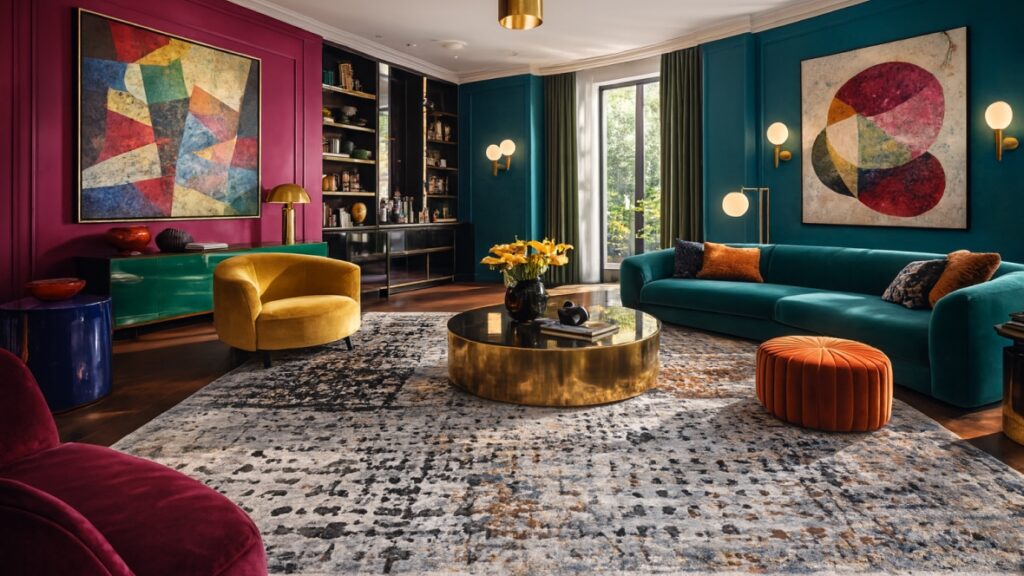
A dining area is more than just a place to share meals. It is where conversations unfold, celebrations begin, and everyday moments turn into lasting memories. The furniture you choose plays a major role in setting the tone, yet one often overlooked element can completely transform the look and feel of the room. A thoughtfully selected rug has the power to anchor your table, define the space, and introduce warmth in a way that feels both practical and inviting.
Selecting the right rug requires more than matching colors. It involves understanding proportion, texture, durability, and how your dining habits influence wear and tear. A rug that works beautifully in a living room may not perform as well beneath a dining table. Spills, crumbs, and constant chair movement demand materials and construction that can withstand daily life without sacrificing style.
Why Rugs Matter in a Dining Area
Rugs serve as visual anchors. They frame the dining table and prevent the space from feeling disconnected, especially in open-plan homes. Without a rug, the dining set can appear as though it is floating on the floor. With one, the arrangement feels intentional and complete.
Comfort is another important factor. Chairs slide more smoothly over a flatwoven or low pile surface, and the added cushioning reduces noise when chairs are moved. This subtle detail enhances the dining experience, especially during larger gatherings.
A rug also provides an opportunity to experiment with color or pattern without committing to permanent design changes. Whether your aesthetic leans minimalist or eclectic, a rug can bridge the gap between bold decor and timeless furnishings.
Choosing the Right Size and Shape
Proportion is essential. The rug should extend at least 60 to 70 centimeters beyond the edges of the dining table on all sides. This ensures chairs remain on the rug even when pulled out. Too small, and it becomes impractical. Too large, and it can overwhelm the room.
Rectangular tables pair naturally with rectangular rugs, while round tables often look best on circular rugs that mirror their shape. Oval rugs can soften sharper lines and introduce a subtle sense of movement.
Thickness also matters. Low pile or flatweave options are ideal because they allow chairs to glide without catching. High pile rugs, while luxurious, can feel cumbersome in a dining setting.
Materials That Balance Style and Durability
Dining areas demand resilience. Synthetic fibers such as polypropylene offer stain resistance and easy maintenance, making them practical for busy households. Wool provides natural durability and a soft underfoot feel, though it may require more attentive care.
For those who value sustainability, natural fiber rugs made from jute or sisal introduce organic texture and earthy charm. However, these materials may not be as forgiving with spills, so they suit lower traffic spaces or households without small children.
Many homeowners researching the Best Modern Rugs quickly discover that contemporary designs often blend performance materials with sleek aesthetics, offering geometric patterns, neutral palettes, and subtle textures that complement modern interiors.
Design Trends Shaping Modern Dining Spaces
Contemporary dining rooms favor clean lines and balanced palettes. Neutral rugs in shades of beige, gray, or cream create a calming foundation, while bold patterns can energize minimalist settings. Abstract designs and geometric motifs add visual interest without overwhelming the space.
Layering has also become popular. Placing a subtle base rug beneath a patterned piece introduces depth and dimension. Texture-on-texture combinations, such as pairing a woven rug with upholstered dining chairs, create a harmonious interplay of materials.
Homeowners often draw inspiration from design movements such as Scandinavian interior design trends, which emphasize simplicity, functionality, and natural light. These influences encourage the use of understated rugs that enhance rather than dominate the room.
Maintenance and Long Term Care
A dining rug must be easy to clean. Regular vacuuming prevents crumbs from embedding in fibers. Prompt attention to spills reduces the risk of staining. Rotating the rug occasionally ensures even wear, particularly in areas where chairs are frequently moved.
Using a quality rug pad is another wise decision. It prevents slipping, adds cushioning, and extends the lifespan of the rug by reducing friction against the floor.
Investing in a rug that balances beauty and durability ultimately saves money in the long run. A well-chosen piece can remain a focal point for years, adapting effortlessly as furniture or decor evolves.
Bringing the Room Together
A dining room rug does more than protect your flooring. It defines the atmosphere of shared meals and gatherings. The right choice enhances comfort, complements your design style, and supports everyday functionality.
When selecting a rug, consider scale, material, maintenance needs, and how it integrates with existing furniture. Thoughtful planning ensures the rug feels intentional rather than decorative afterthought.
A beautifully styled dining area encourages connection. With careful consideration and attention to detail, your rug can become the foundation that ties the entire room together, creating a welcoming environment where memories continue to grow around the table.