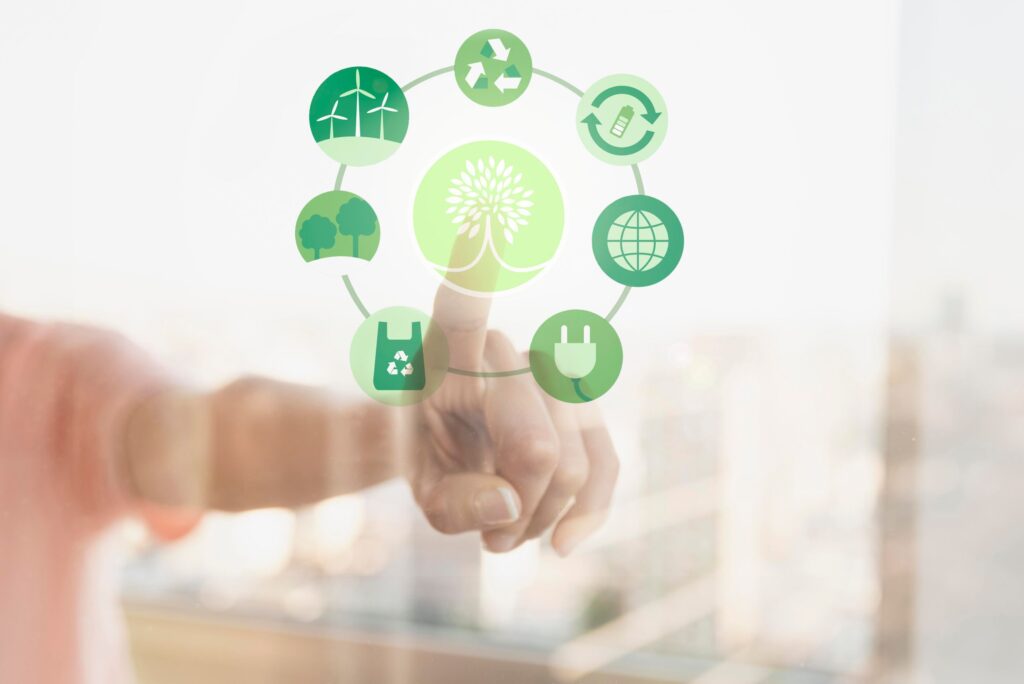
Sustainable construction has become more than just a trend; it is now an essential part of modern architecture and urban planning. One way to ensure buildings meet the highest sustainability standards is through green building certification. Achieving this certification signifies that a structure is designed, built, and operated in a way that minimizes environmental impact while promoting occupant well-being. Both homes and offices can benefit from the principles and practices that lead to such certification. Understanding the advantages of green building certification can help homeowners, office managers, and developers make informed decisions about construction and renovation.
What is Green Building Certification?
Green building certification is a formal recognition that a building meets specific environmental performance standards. These standards often include energy efficiency, water conservation, indoor air quality, sustainable materials usage, and waste reduction. One of the most widely recognized systems for evaluating and certifying green buildings is LEED certification. This system provides a framework for healthy, highly efficient, and cost-saving green buildings. By adhering to the guidelines of such certifications, property owners can ensure their structures are not only environmentally responsible but also economically beneficial over the long term.
Certification processes vary depending on the region and the specific standard being pursued. Typically, a green building certification involves careful planning, documentation, and verification. This includes evaluating construction methods, materials used, energy and water systems, and overall design. Buildings that achieve certification demonstrate a commitment to sustainability and provide tangible benefits to occupants and the surrounding community.
Environmental Benefits of Green Building Certification
One of the primary advantages of green building certification is its positive impact on the environment. Buildings are responsible for a significant portion of global energy consumption and greenhouse gas emissions. By achieving certification, homes and offices can reduce their ecological footprint in several ways:
Reduced Energy Consumption
Certified green buildings are designed to be energy-efficient. They utilize advanced heating, cooling, and lighting systems that reduce energy use without compromising comfort. Features such as solar panels, high-performance insulation, energy-efficient windows, and smart building technologies contribute to lower energy demand. Over time, this results in reduced carbon emissions, contributing to a cleaner and more sustainable environment.
Water Conservation
Water scarcity is a growing concern worldwide. Green building certification emphasizes the efficient use of water through strategies such as low-flow fixtures, rainwater harvesting systems, and water recycling. By minimizing water waste, certified buildings help conserve this vital resource while lowering utility costs for occupants.
Sustainable Materials
Construction and demolition generate significant amounts of waste, and many building materials have high environmental costs. Green building certification encourages the use of sustainable and recycled materials, reducing the environmental impact associated with sourcing, manufacturing, and disposal. Materials such as bamboo, reclaimed wood, recycled metal, and low-VOC paints not only reduce environmental harm but also contribute to healthier indoor air quality.
Waste Reduction
During construction and throughout a building’s life, waste management is a critical component of sustainability. Green building standards encourage recycling construction waste and designing buildings for easier maintenance and end-of-life disassembly. This reduces landfill contributions and supports circular economy practices.
Health and Well-being Benefits
Beyond environmental considerations, green building certification also focuses on the well-being of the people who live and work in the building. Healthy indoor environments are increasingly important for productivity, comfort, and overall quality of life.
Improved Air Quality
Indoor air quality is a significant concern in conventional buildings. Poor ventilation and the presence of harmful chemicals can lead to respiratory problems, allergies, and reduced productivity. Certified green buildings prioritize air quality by using non-toxic materials, efficient ventilation systems, and proper filtration. This ensures a healthier environment for occupants and minimizes the risk of illness.
Natural Lighting and Comfort
Green buildings often incorporate designs that maximize natural light and provide better temperature control. Properly designed windows, skylights, and reflective surfaces allow daylight to enter spaces, reducing the need for artificial lighting and creating a more comfortable and inviting atmosphere. Temperature regulation through insulation, shading, and efficient HVAC systems further enhances occupant comfort.
Noise Reduction
Noise pollution is another factor that can negatively impact health and productivity. Green buildings often include sound-absorbing materials, strategic building orientation, and thoughtful interior design to reduce noise levels. This creates a more peaceful and focused environment for residents and employees.
Economic Benefits for Homes and Offices
While green building certification may require upfront investment, it often leads to significant economic benefits over time. These advantages are relevant to both residential and commercial properties.
Energy and Water Savings
The most immediate economic benefit comes from reduced utility bills. Energy-efficient lighting, heating, cooling, and water systems lower monthly costs for both homeowners and office managers. Over time, these savings can offset the initial investment in sustainable construction practices, making certified buildings financially advantageous.
Increased Property Value
Green building certification can enhance the market value of a property. Many buyers and tenants prioritize sustainability, energy efficiency, and health benefits when selecting a home or office. Certified buildings often command higher sale prices or rental rates, providing a competitive edge in the real estate market.
Tax Incentives and Rebates
Many governments and municipalities offer financial incentives for buildings that meet green standards. These incentives may include tax credits, grants, or rebates for energy-efficient upgrades, renewable energy installations, and sustainable materials. Leveraging these programs can reduce the initial cost of construction and encourage investment in sustainable practices.
Reduced Maintenance Costs
Sustainable design often includes durable, high-quality materials that require less maintenance over time. Energy-efficient systems, proper insulation, and water-saving features also contribute to reduced wear and tear, minimizing ongoing repair and replacement expenses.
Social and Community Benefits
Green building certification extends its impact beyond individual homes and offices, benefiting society as a whole. Communities with sustainable buildings experience improvements in public health, environmental quality, and social engagement.
Reduced Environmental Impact
When more buildings adopt sustainable practices, the cumulative effect significantly reduces carbon emissions, energy consumption, and resource depletion. This contributes to global efforts to combat climate change and promotes long-term environmental stewardship.
Enhanced Community Health
Sustainable buildings with better air quality, reduced noise, and increased natural lighting create healthier environments not only for occupants but also for surrounding neighborhoods. Parks, green roofs, and urban gardens associated with certified buildings enhance community well-being and provide recreational spaces.
Education and Awareness
Green building certification programs raise awareness about sustainability and encourage responsible construction practices. As more people interact with certified buildings, they learn about energy conservation, water efficiency, and healthy living, creating a ripple effect that promotes environmentally conscious behavior in the wider community.
Benefits Specific to Offices
Offices that achieve green building certification experience unique advantages that directly impact business operations and workforce performance.
Increased Employee Productivity
Studies have shown that employees in green-certified offices often report higher productivity levels. Improved lighting, air quality, and thermal comfort contribute to better focus and reduced absenteeism. A healthier work environment supports employee well-being and fosters higher job satisfaction.
Corporate Social Responsibility
Businesses that invest in certified green buildings demonstrate a commitment to sustainability, social responsibility, and ethical practices. This can enhance brand reputation, attract environmentally conscious clients, and improve relationships with stakeholders. A green-certified office becomes a tangible representation of a company’s values.
Long-term Cost Efficiency
While construction costs may be higher initially, the long-term savings associated with energy efficiency, water conservation, and reduced maintenance make certified office buildings a wise financial investment. Organizations can redirect these savings into employee development, innovation, and business growth.
Benefits Specific to Homes
For homeowners, green building certification provides a combination of personal, financial, and environmental advantages.
Comfortable Living Spaces
Homes built or renovated according to green standards often feature better insulation, natural lighting, and climate control. This creates a more comfortable living environment that adapts to seasonal changes while maintaining energy efficiency.
Lower Utility Bills
Energy-efficient appliances, LED lighting, and water-saving fixtures reduce household expenses. Over the life of the building, these savings can be substantial, making the investment in sustainable features worthwhile.
Healthier Lifestyle
Homes with certified sustainable features minimize exposure to harmful chemicals and pollutants. Proper ventilation, natural materials, and indoor plants contribute to improved indoor air quality and overall well-being. Families living in such homes benefit from a healthier, safer environment.
Future-proofing Property
Green building certification ensures that homes meet evolving sustainability standards. This future-proofs properties against changing regulations, energy costs, and environmental challenges, ensuring they remain valuable and functional for decades.
Steps to Achieve Green Building Certification
Achieving certification requires careful planning, design, and documentation. The following steps outline a typical process:
- Assessment and Planning: Evaluate the building’s current design, systems, and materials. Identify areas where improvements can meet certification standards.
- Design Integration: Work with architects and engineers to incorporate sustainable features into the design, including energy-efficient systems, water conservation measures, and environmentally friendly materials.
- Construction and Implementation: Ensure that construction practices align with green building guidelines, including waste reduction, recycling, and sustainable sourcing.
- Documentation and Verification: Collect and submit documentation demonstrating compliance with certification requirements. This may involve energy modeling, material specifications, and operational plans.
- Certification Review: The certification body reviews the documentation and conducts inspections to verify compliance. Successful buildings receive official certification recognition.
Final Thought
Green building certification offers a comprehensive set of benefits that extend across environmental, economic, social, and personal domains. Homes and offices that achieve such certification not only reduce their ecological footprint but also enhance the quality of life for occupants, improve financial performance, and contribute positively to the surrounding community. As the world continues to prioritize sustainability and health, pursuing green building certification or LEED certification is not just a choice but a smart, forward-thinking investment in the future. Whether for personal living spaces or commercial offices, certified green buildings represent a commitment to creating spaces that are healthier, more efficient, and better aligned with the planet’s needs.