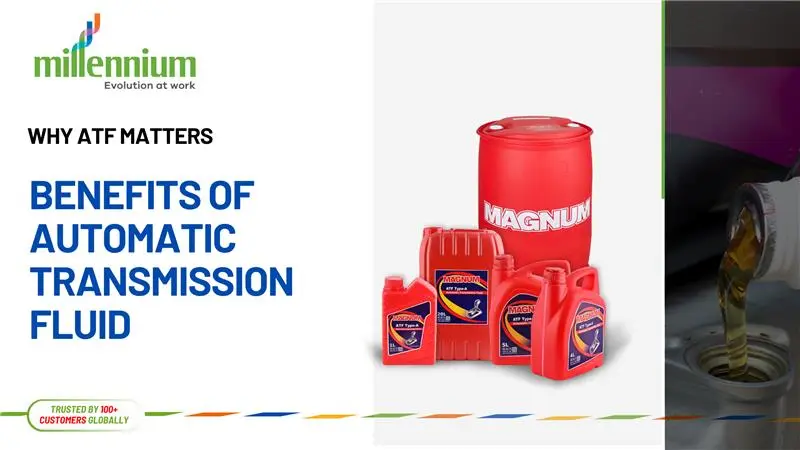
Automatic Transmission Fluid (ATF) plays a critical role in keeping modern vehicles running smoothly and efficiently. Unlike engine oil, which mainly focuses on lubrication, ATF performs multiple complex functions inside an automatic transmission system. From enabling seamless gear shifts to protecting sensitive components from heat and wear, the quality and condition of ATF directly affect vehicle performance, fuel efficiency, and transmission life. Understanding why ATF matters—and choosing the right type—can save drivers from costly repairs and unexpected breakdowns.
What’s So Special About Automatic Transmission Fluid?
Automatic Transmission Fluid is specially engineered to handle extreme operating conditions inside a transmission. It acts as a hydraulic fluid, allowing the transmission to engage gears smoothly and precisely. At the same time, it lubricates moving parts such as gears, bearings, and clutches, reducing friction and preventing metal-to-metal contact.
ATF also functions as a coolant, absorbing and dissipating heat generated by constant gear changes and torque conversion. Additionally, it contains detergents and additives that keep internal components clean, prevent sludge buildup, and protect seals from hardening or cracking. This unique combination of properties makes ATF far more advanced than conventional lubricants.
Different Fluids for Different Jobs
Not all automatic transmissions are the same, and neither are transmission fluids. Different vehicles require ATF formulations that meet specific performance standards set by manufacturers. Factors such as transmission design, clutch materials, operating temperature, and driving conditions influence the type of ATF needed.
Common ATF specifications include Dexron, Mercon, ATF+4, and CVT or DCT-specific fluids. Using the wrong fluid can lead to harsh shifting, overheating, reduced fuel efficiency, and even transmission failure. That’s why it’s essential to choose an ATF that matches your vehicle’s requirements rather than assuming one fluid fits all applications.
Why MAGNUM ATF Dexron III Hits the Sweet Spot
MAGNUM dexron III ATF is designed to deliver reliable performance across a wide range of automatic transmission systems. Formulated with high-quality base oils and advanced additives, it provides excellent oxidation stability, ensuring the fluid maintains its performance even under high temperatures.
One of its key advantages is smooth and consistent gear shifting. The balanced friction characteristics of MAGNUM ATF Dexron III help prevent shudder, slipping, and delayed engagement. It also offers strong wear protection, extending the life of transmission components and reducing maintenance costs over time.
Additionally, this fluid supports seal compatibility, minimizing leaks and maintaining proper hydraulic pressure. Its versatility makes it suitable for older and many modern vehicles that specify Dexron III, making it a dependable choice for drivers seeking both performance and value.
When and Where It Works Best
MAGNUM ATF Dexron III performs exceptionally well in automatic transmissions, power steering systems, and some hydraulic applications where Dexron III specifications are recommended. It is ideal for daily-driven vehicles, fleet operations, and light commercial applications that demand consistent performance under varying driving conditions.
Whether you’re navigating city traffic with frequent stop-and-go movement or cruising on highways for long distances, this ATF maintains stable viscosity and effective heat control. Regular replacement at manufacturer-recommended intervals ensures optimal transmission performance and helps avoid premature wear or failure.
Final Thoughts
Automatic Transmission Fluid is far more than just a lubricant—it’s the lifeblood of an automatic transmission system. Choosing the right ATF ensures smooth shifting, effective cooling, reduced wear, and long-term reliability. With its balanced formulation, dependable performance, and broad compatibility, MAGNUM ATF Dexron III stands out as a practical and efficient solution for vehicles that require Dexron III-approved fluids.
By understanding the importance of ATF and maintaining it properly, drivers can enjoy better performance, improved fuel efficiency, and peace of mind on every journey.