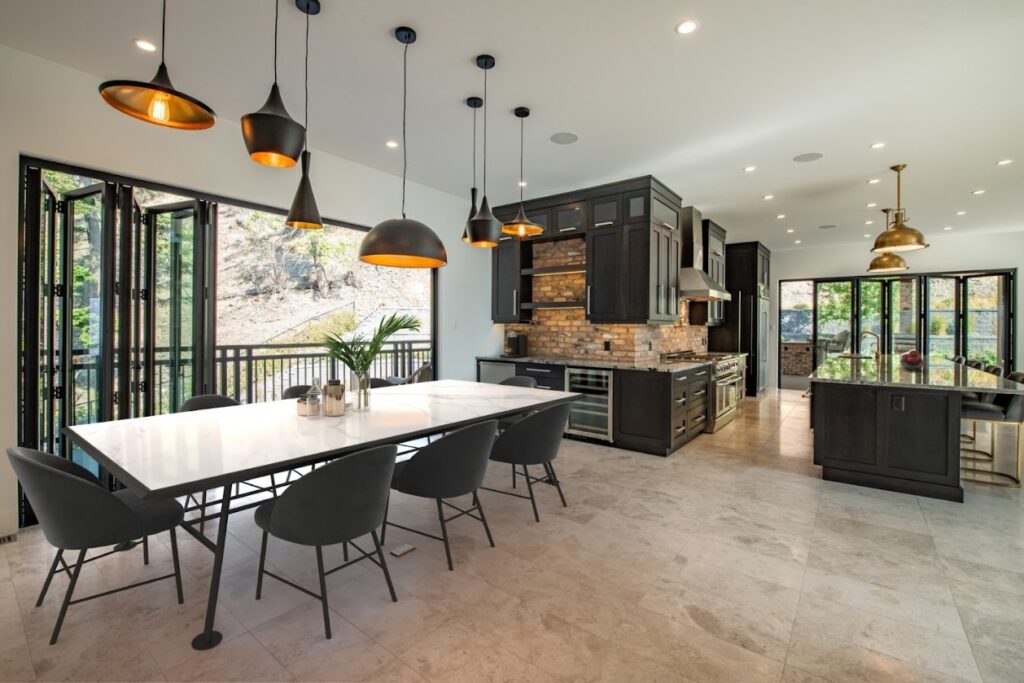
A bright room feels bigger. A tight space feels calmer. And when a doorway opens wide without bulky frames in the way, the whole place looks more “finished.”
That’s why I keep recommending an Aluminum Glass Folding Door on home and commercial projects—especially when clients want more light, a cleaner look, and a flexible opening. In this guide, I’ll walk you through types, glass choices, hardware quality, realistic cost drivers, and design ideas—so homeowners, office managers, and shop owners can buy with confidence.
1) What Is an Aluminum Glass Folding Door?
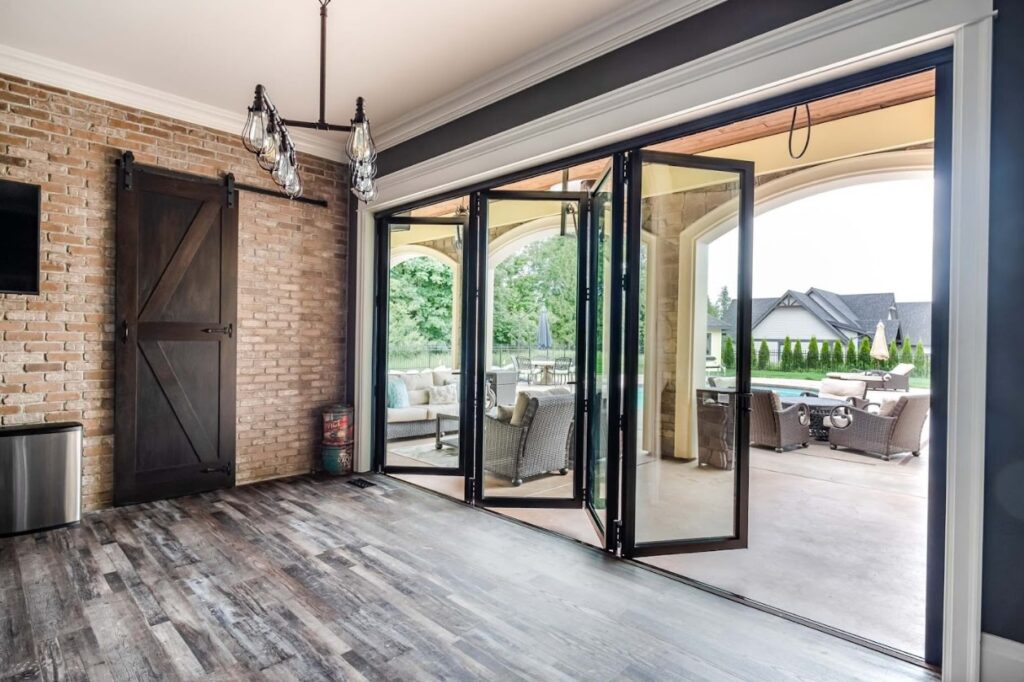
An Aluminum Glass Folding Door is a multi-panel door system (often called bi-fold or multi-fold) where panels fold and stack to one side (or both sides) on a track. Instead of sliding behind each other, the panels hinge together and “concertina” open.
Where we use them most:
- Patios and backyards
- Balconies and terrace openings
- Office partitions and meeting rooms
- Shopfronts and cafés (when you want that open, welcoming frontage)
2) Top Benefits (Why Homeowners & Designers Love Them)
Here’s what makes an Aluminum Folding Door a favorite in both homes and commercial spaces:
- Big daylight, bigger views: More glass area means more natural light and a more open feel.
- Wide opening: When fully folded, you can open most of the span—great for entertaining or high foot traffic.
- Space-saving: Unlike swing doors that need a big arc, folding panels park neatly to the side.
- Modern, premium look: Aluminum frames can be slim and strong, keeping lines clean.
- Indoor–outdoor flow: For patios and balconies, the “one space” effect is hard to beat.
- Security upgrades: Multipoint locks, quality cylinders, and tempered/laminated safety glass can significantly boost security.
Quick 2026 trend note I’m seeing: buyers are pushing for slimmer sightlines and better thermal performance (especially thermal-break frames), not just “a big opening.”
3) Most Popular Types & Configurations
When clients ask me what layout to choose, I start with traffic flow and stacking space. Common setups:
Panel counts
- 2-panel: simple, minimal, budget-friendly
- 3-panel / 4-panel: popular for patios and balconies
- 6+ panels: wide spans for luxury openings, offices, and storefronts
Opening direction
- Inward opening: easier to keep exterior clear, but takes interior space when open
- Outward opening: keeps the inside free, but needs an exterior clearance plan
Stacking options
- Left stacking or right stacking (or split stack to both sides)
Corner-opening designs (the “wow” factor)
Two folding sets meeting at a corner can remove the corner post (with the right structural support). It’s dramatic—and it sells properties.
4) Glass Options That Change Everything
The frame is only half the story. Glass choice affects safety, comfort, privacy, and noise control.
Tempered vs laminated (what to pick and why)
- Tempered glass is heat-treated for strength and breaks into small granules.
- Laminated glass uses a plastic interlayer that holds shards together if it breaks—often better for security and sound dampening.
My usual rule:
- For ground-floor patio doors or retail: laminated is often worth it.
- For upper floors or low-risk areas: tempered may be sufficient (depending on local code and exposure).
Double glazing for heat + noise
If you run AC/heat a lot—or you’re near traffic—double glazing is a strong upgrade. Low-E options can further reduce energy loss compared with standard glass.
Frosted / tinted / Low-E glass
- Frosted: privacy for offices, bathrooms, or street-facing openings
- Tinted: glare control (but watch daylight loss)
- Low-E: helps manage heat transfer while keeping the room bright
5) Frame, Hardware & Track Quality Checklist
When an Aluminum Glass Folding Door feels “buttery smooth,” it’s usually because the manufacturer didn’t cheap out on the details.
Frame quality
- Aluminum grade + wall thickness: stronger profiles resist flexing, sagging, and misalignment.
- Finish: look for powder coating or anodizing with a good warranty (especially near the coast).
Hardware that matters
- Rollers: premium rollers glide better and last longer under load.
- Hinges: strong hinges prevent panel droop over time.
- Handles + locks: multipoint locking is a major upgrade for security and weather sealing.
Track style: top-hung vs bottom-rolling
- Top-hung systems can feel smooth and keep the bottom track cleaner (but demand solid header support).
- Bottom-rolling systems carry weight at the floor and can be ideal for heavier panels—just keep tracks clean.
6) Energy Efficiency & Weather Performance
If you only remember one line from this guide, make it this: a beautiful door that leaks air or water will annoy you every day.
What to look for:
- Thermal break frames: a thermal barrier inside the aluminum profile reduces heat transfer. In hot climates (and mixed climates), it can be worth it for comfort and condensation control.
- Seals + gaskets: quality compression seals matter more than many people realize.
- Drainage design: good sill drainage helps manage heavy rain and wind-driven water.
Ask suppliers about performance testing. In many markets, door systems reference standards for:
- Air permeability (EN 12207)
- Water tightness (EN 12208)
- Wind resistance classification (EN 12210)
For coastal areas: prioritize corrosion-resistant hardware, better finishes, and robust seals.
7) Size Guide: How to Measure (Without Costly Mistakes)
Before you order an Aluminum Glass Folding Door, measure carefully—but don’t treat it like ordering furniture.
Basics:
- Measure opening width (left to right) at top, middle, bottom
- Measure opening height at left, center, right
- Use the smallest values as your reference
Also check:
- Floor level: uneven slabs cause roller/track issues
- Header/lintel support: wide folding openings need proper structural support
- Stacking space: make sure you have somewhere for panels to park
When I insist on a professional site survey:
- Extra-wide spans
- Corner openings
- Renovations where walls may not be square
- Any opening with visible cracking/sagging
8) Aluminum Glass Folding Door Cost (Realistic Price Factors)
Pricing varies by region, but the drivers are consistent. With an Aluminum Glass Folding Door, cost typically shifts based on:
What changes the price most:
- Number of panels (more panels = more hardware and labor)
- Glass type (laminated, double glazing, Low-E, acoustic options)
- Hardware tier (rollers/hinges/locks are not the place to “go cheap”)
- Finish (special colors, anodized looks, coastal-grade coatings)
Installation vs product cost:
- Installation complexity rises with wide openings, structural changes, and drainage work.
Maintenance costs over time:
- Better hardware usually means fewer adjustments and replacements.
Practical buying tip: compare quotes only when the specs match—same glass thickness/type, same hardware tier, same frame system.
9) Design Ideas & Where They Look Best
This is where an Aluminum Glass Folding Door really shines—because it changes how the space functions.
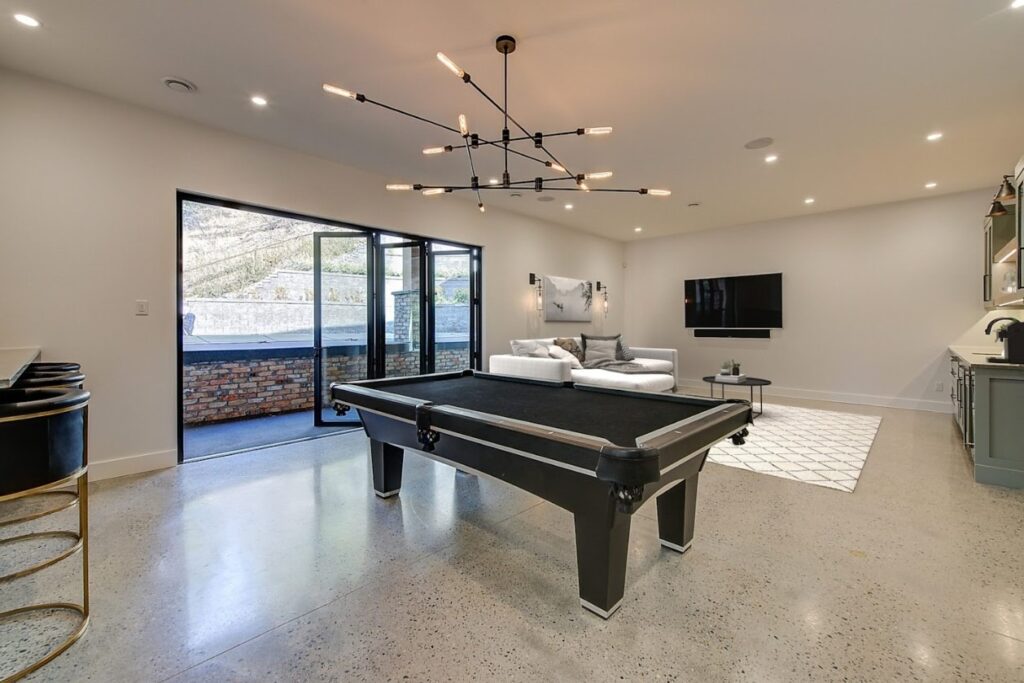
- Living room → patio: creates a true entertaining zone
- Kitchen → backyard: pass-through vibe, better airflow during cooking
- Balcony enclosure: keeps views while improving comfort
- Office meeting rooms: flexible privacy without killing light
- Retail storefronts: open up during peak hours, close securely after
If you want a luxury look: slim frames + large panels + clean matte finish = instant upgrade.
Secondary keyword placement (naturally, once each):
- Many homeowners ask for an aluminum glass folding door design that feels minimal but still strong.
- For large openings, a quality aluminum folding glass door system with premium rollers is a must.
- For outdoor spaces, an uminum glass folding door for patio (as some vendors label it) is often paired with laminated or Low-E glass for comfort.
10) Installation Tips + Common Mistakes to Avoid
The best product can still perform poorly if installation is sloppy.
Big installation wins:
- Track alignment and level: tiny errors become big headaches once panels are loaded.
- Water sealing and flashing: especially at the sill and jamb transitions.
- Correct glass choice: don’t use basic glass where safety/security glass is needed.
- Avoid cheap rollers: noisy, rough movement now becomes replacements later.
If your installer rushes the “finishing” details—seals, drainage, alignment—pause the job and fix it immediately.
11) Maintenance & Cleaning (Keep It Smooth for Years)
An Aluminum Glass Folding Door is not high-maintenance, but it does reward simple routine care.
- Track cleaning: vacuum debris and wipe tracks weekly in dusty areas
- Lubrication: light lubrication on moving hardware a few times a year (use manufacturer-recommended products)
- Seal inspection: check gaskets for cracking or flattening every 6–12 months
- Hardware check: tighten loose handle/hinge screws before they cause misalignment
If panels start “catching,” don’t force them—get the rollers and alignment checked early.
12) FAQs (Optimized for Featured Snippets)
1) Are aluminum folding doors secure?
Yes—when you choose multipoint locks, quality cylinders, and safety glass (often laminated). Security is mostly about hardware tier and glass spec.
2) Do they leak in rain?
They shouldn’t. Leaks usually come from poor installation (sill sealing, drainage setup, or misaligned tracks). Ask about water-tightness testing and proper flashing details.
3) Can they be soundproof?
They can be sound-reducing, especially with double glazing and laminated glass, but “soundproof” is a strong word. Ask for acoustic glass options if noise is a major issue.
4) What’s better: folding or sliding?
Folding gives the widest opening and a big “event” feel. Sliding tends to be simpler and can be better for very frequent daily use. It depends on how often you open fully and where panels can stack.
5) How long do they last?
With premium hardware, correct installation, and basic maintenance, many systems last for years. The weak link is usually cheap rollers or neglected tracks—not the aluminum frame.