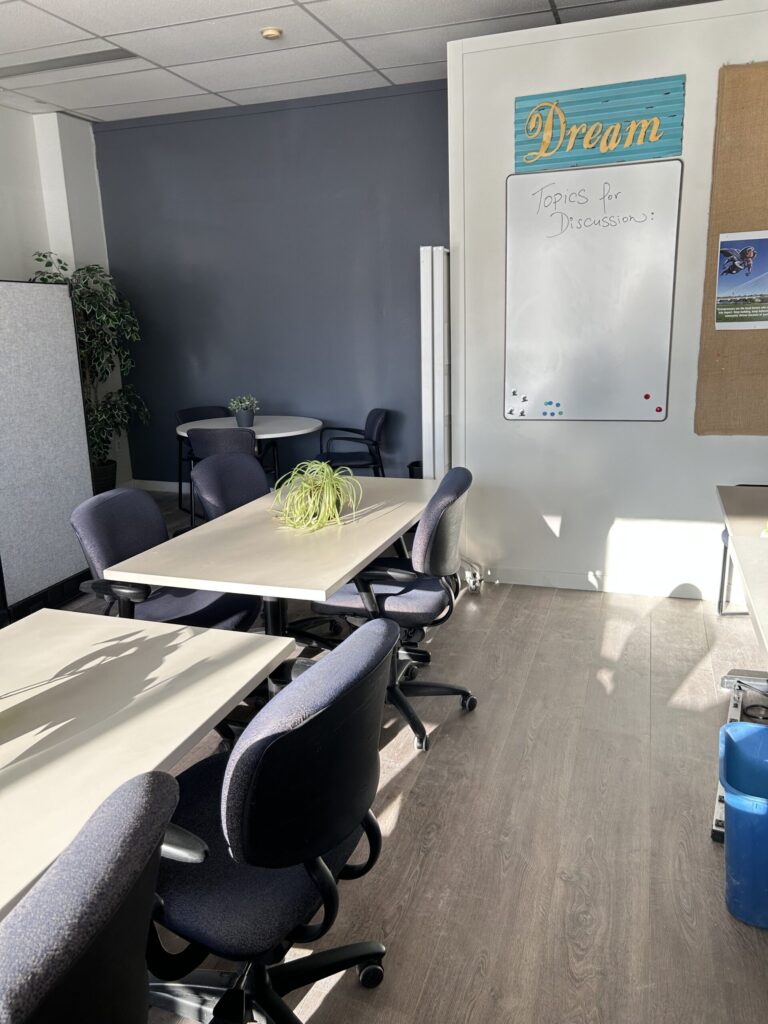
Choosing where your startup operates is more than a logistical decision — it’s a strategic one. The environment you work in can influence productivity, creativity, team morale, and even how clients and investors perceive your business. As startups move away from traditional long-term office leases, collaborative workspaces have become a popular and practical alternative.
However, not every collaborative workspace is the right fit for every startup. With so many options available, founders need to evaluate more than just pricing and location. The right workspace should support your startup’s current needs while allowing room to grow.
This guide breaks down how to choose the right collaborative workspace for your startup, focusing on what truly matters for long-term success.
Understanding Your Startup’s Workstyle and Stage
Before visiting workspaces or comparing memberships, it’s essential to understand how your startup operates. Early-stage startups often function very differently from scaling teams, and choosing the right collaborative workspace for startups should reflect that reality rather than force a one-size-fits-all setup.
A solo founder or small team may benefit from an open, energetic environment that encourages conversation and idea-sharing. On the other hand, startups handling client calls, development work, or confidential projects may need quieter zones or private offices within a shared setting.
Equally important is recognizing your startup’s growth stage. Many founders make the mistake of choosing a workspace that only fits their current size, not their future plans. A collaborative workspace should accommodate growth without forcing you to relocate as your team expands.
Why Community Is a Core Factor
One of the biggest advantages of a collaborative workspace is the community it offers. Unlike traditional offices, these environments bring together professionals from different industries, creating opportunities for learning, collaboration, and connection.
A strong community can help startups grow faster by providing access to people who understand the entrepreneurial journey. Conversations over coffee can turn into partnerships, referrals, or even mentorship relationships.
When evaluating a workspace, pay attention to how members interact. A healthy collaborative environment feels welcoming, not transactional. You should see people engaging naturally, not just occupying desks.
Some signs of a strong community include:
- Regular networking or educational events
- Open communication between members
- A mix of startups, freelancers, and small teams
A workspace with an active, supportive community can become an extension of your startup’s ecosystem.
Flexibility Should Be Non-Negotiable
Startups thrive on flexibility, and your workspace should offer the same level of adaptability. One of the main reasons founders choose collaborative workspaces is to avoid long-term leases that can quickly become a burden.
Look for workspaces that offer month-to-month memberships or flexible terms. This allows you to scale your space usage based on your business needs without unnecessary financial pressure.
Flexibility also applies to workspace options. The ideal collaborative workspace allows you to transition smoothly between:
- Shared desks for early stages
- Dedicated desks for consistency
- Private offices as your team grows
This kind of scalability ensures your workspace grows with your startup rather than limiting it.
Location and Accessibility Matter More Than You Think
The location of your collaborative workspace affects both daily operations and long-term perception. A well-located workspace can improve attendance, reduce commute stress, and make meetings more convenient for clients and partners.
Accessibility is key. The workspace should be easy to reach by public transit and close to everyday amenities like cafés, restaurants, and services. A central or well-known business area often adds credibility, especially for startups that meet clients regularly.
Many collaborative workspaces also offer business addresses and mail handling services. For early-stage startups, this can significantly enhance professionalism without the cost of leasing a traditional office.
Amenities That Support Real Productivity
While trendy perks can be appealing, startups should focus on amenities that genuinely support daily operations. Reliable infrastructure matters far more than decorative features.
At a minimum, your collaborative workspace should provide stable high-speed internet, comfortable seating, adequate lighting, and access to meeting rooms. These basics directly impact productivity and professionalism.
Meeting rooms deserve special attention. Startups often need space for client presentations, team discussions, or virtual calls. Having access to well-equipped meeting rooms without additional hassle is a major advantage.
Additional amenities like shared kitchens, lounges, or quiet rooms enhance the overall work experience and help maintain energy levels throughout the day.
Business Support Services Can Be a Hidden Advantage
Some collaborative workspaces go beyond providing desks and Wi-Fi by offering business support services. For startups, these extras can be incredibly valuable, especially when resources are limited.
Support services may include administrative assistance, reception services, IT support, or access to business coaching and workshops. These offerings help founders focus on growth instead of operational distractions.
Educational events and skill-building sessions are another major benefit. Startups operate in fast-changing environments, and continuous learning is essential. A workspace that encourages learning creates long-term value for its members.
Balancing Cost with Overall Value
Budget is always a concern for startups, but choosing the cheapest workspace isn’t always the smartest move. Instead of focusing only on price, evaluate what you’re getting in return.
A collaborative workspace often bundles multiple expenses into one predictable monthly fee. This typically includes utilities, internet, cleaning, security, and furniture — costs that can add up quickly in a traditional office setup.
When comparing options, consider:
- What services are included
- Whether meeting room access costs extra
- How flexible the pricing structure is
Paying slightly more for a workspace that saves time, boosts productivity, and offers growth opportunities often results in a better return on investment.
Test the Space Before Committing
A workspace may look great online, but the real experience matters most. Many collaborative workspaces offer day passes or trial memberships, and startups should take advantage of these options.
Spending a few days in the space helps you understand its rhythm, noise levels, and overall atmosphere. You’ll also get a feel for how supportive the staff is and how members interact with one another.
During your trial, observe whether the environment aligns with your team’s working habits. A good collaborative workspace should feel energizing, not distracting.
Your Workspace Is Part of Your Brand
Every interaction your startup has — from client meetings to hiring conversations — reflects your brand. Your workspace plays a subtle but important role in shaping that perception.
A modern, well-maintained collaborative workspace signals professionalism, innovation, and growth. It shows that your startup values collaboration and adaptability.
This matters not only for clients and partners but also for potential hires. Many professionals today prioritize work environments that offer flexibility, community, and a positive culture.
Thinking Long-Term While Staying Flexible
While flexibility is essential, startups should still think long-term when choosing a collaborative workspace. The right space supports your business not just today, but months or years down the line.
Consider whether the workspace can accommodate future needs such as:
- Team expansion
- Hosting events or workshops
- Increased client meetings
Choosing a workspace that evolves with your startup reduces the need for frequent relocations and helps maintain continuity.
Conclusion
Selecting the right collaborative workspace for your startup is about more than finding a place to sit and work. It’s about choosing an environment that supports creativity, productivity, and long-term growth.
The best collaborative workspaces offer a balance of flexibility, community, professional amenities, and business support. They adapt to your startup’s changing needs while providing stability and structure.
By carefully evaluating your workstyle, growth plans, and priorities, you can find a collaborative workspace that becomes more than just an office — it becomes a foundation for success.
For startups navigating uncertainty and rapid change, the right workspace isn’t just helpful — it’s a competitive advantage.