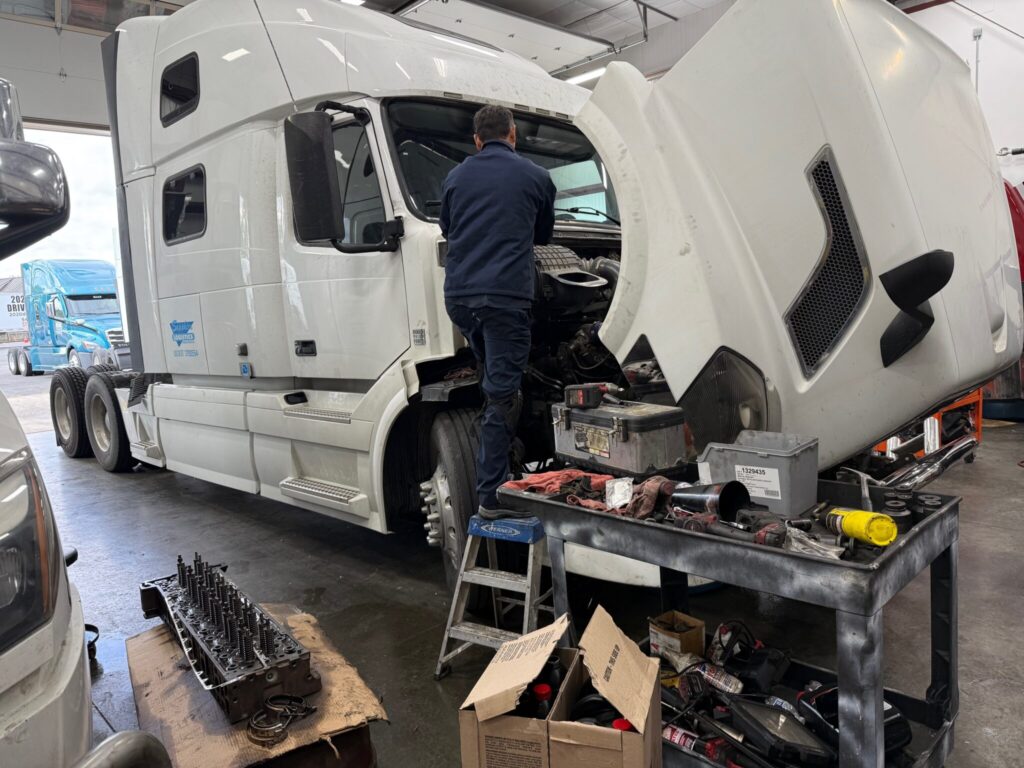
Brake and suspension problems are among the most serious issues a trailer can face. When these systems begin to fail, safety is compromised and the risk of costly downtime increases. Many of these problems provide early warning signs, but they are often ignored until a breakdown or a truck DOT inspection violation occurs. By staying proactive with your maintenance, you can ensure your equipment passes every truck DOT inspection with ease and remains safe on the road.At 2020 Truck and Trailer Repair, we help drivers and fleet owners identify these warning signals early so repairs can be completed before a minor issue becomes a major problem.
Understanding what to watch for can help protect your equipment, cargo, and livelihood.
Warning Signs of Trailer Brake Problems
Trailer brakes carry a significant portion of stopping responsibility, especially under heavy loads. When brake components begin to wear, performance declines rapidly.
One of the most common signs of brake trouble is increased stopping distance. If the trailer does not slow down as expected or feels sluggish during braking, the brake system may be out of adjustment or worn. Soft or delayed brake response often points to air pressure problems or damaged brake components.
Unusual noises are another red flag. Grinding, squealing, or hissing sounds may indicate worn brake linings, damaged drums, or air leaks. These sounds should never be ignored, as they often signal advanced wear.
Pulling to one side during braking can indicate uneven brake force or a malfunctioning brake chamber. This condition increases tire wear and creates unsafe handling, especially at highway speeds.
Brake issues are frequently identified during a truck DOT inspection. Inspectors closely examine brake adjustment, air system integrity, and stopping performance. Failing to address brake warning signs before an inspection can result in costly out of service orders and delays.
Suspension System Warning Signs
The suspension system is responsible for stabilizing the trailer and absorbing road impact. When suspension components fail, the effects are often felt throughout the entire vehicle.
Excessive bouncing or swaying while driving is a clear indicator of suspension trouble. Worn shocks, broken springs, or failing air bags can cause poor load control and reduced stability.
Uneven or rapid tire wear often points to suspension issues. When components are not supporting the load evenly, tires take on excessive stress. This not only shortens tire life but also increases the risk of blowouts.
Visible damage is another serious warning sign. Cracked hangers, broken leaf springs, worn bushings, or leaking air suspension components should be addressed immediately. Operating with damaged suspension parts can lead to axle misalignment and frame stress.
Sagging or uneven ride height is also a sign of suspension failure. A trailer that sits lower on one side may have a broken spring or failing air system. This imbalance affects braking and steering response.
Combined Brake and Suspension Symptoms
Brake and suspension systems are closely linked. When suspension components fail, braking efficiency can suffer. Likewise, failing brakes can put additional stress on suspension parts.
Shuddering or vibration during braking may indicate worn suspension components combined with uneven brake engagement. This condition often worsens quickly and should be inspected without delay.
Load shifting is another symptom that involves both systems. A compromised suspension allows cargo movement, which changes braking balance and increases stopping distance.
Inspection and Compliance Risks
Many brake and suspension defects are among the most common reasons vehicles are placed out of service. During a truck DOT inspection, officials focus heavily on these systems because of their impact on safety.
Ignoring warning signs increases the risk of violations, fines, and delayed deliveries. Regular inspections and immediate repairs help ensure compliance and protect your operating schedule.
Environmental Comfort and Related Systems
While brake and suspension repairs are essential for safety, driver comfort should not be overlooked. Mechanical issues in one area often coincide with problems in others. Excessive vibration or poor ride quality can affect cab systems, including climate control performance.
Addressing mechanical issues early often reduces strain on systems that support driver comfort. While brake and suspension repairs are separate from truck HVAC repairs, overall vehicle condition plays a role in operational efficiency and driver well being.
Why Immediate Repairs Matter
Delaying brake or suspension repairs almost always leads to more extensive damage. Worn components stress surrounding parts, increasing repair complexity and cost. More importantly, these delays increase safety risks for drivers and others on the road.
Prompt repairs improve handling, braking performance, and load stability. They also reduce downtime by preventing breakdowns during long hauls or critical deliveries.
Professional Evaluation Makes the Difference
Identifying brake and suspension problems early requires experienced technicians and proper inspection tools. At 2020 Truck and Trailer Repair, our team performs thorough evaluations to pinpoint issues quickly and recommend the right repairs.
Our technicians understand how small warning signs relate to larger system failures. This expertise allows for efficient repairs that restore safety and performance.
Conclusion
Brake and suspension problems rarely appear without warning. Increased stopping distance, unusual noises, uneven tire wear, and unstable handling are all signs that immediate repairs are needed. Addressing these issues before a truck DOT inspection helps avoid violations and downtime. While systems like brakes, suspension, and even truck HVAC repairs contribute to overall vehicle performance, safety starts with reliable stopping and stability. With professional service from 2020 Truck and Trailer Repair, drivers and fleet owners can stay compliant, reduce risk, and keep their trailers ready for the road.