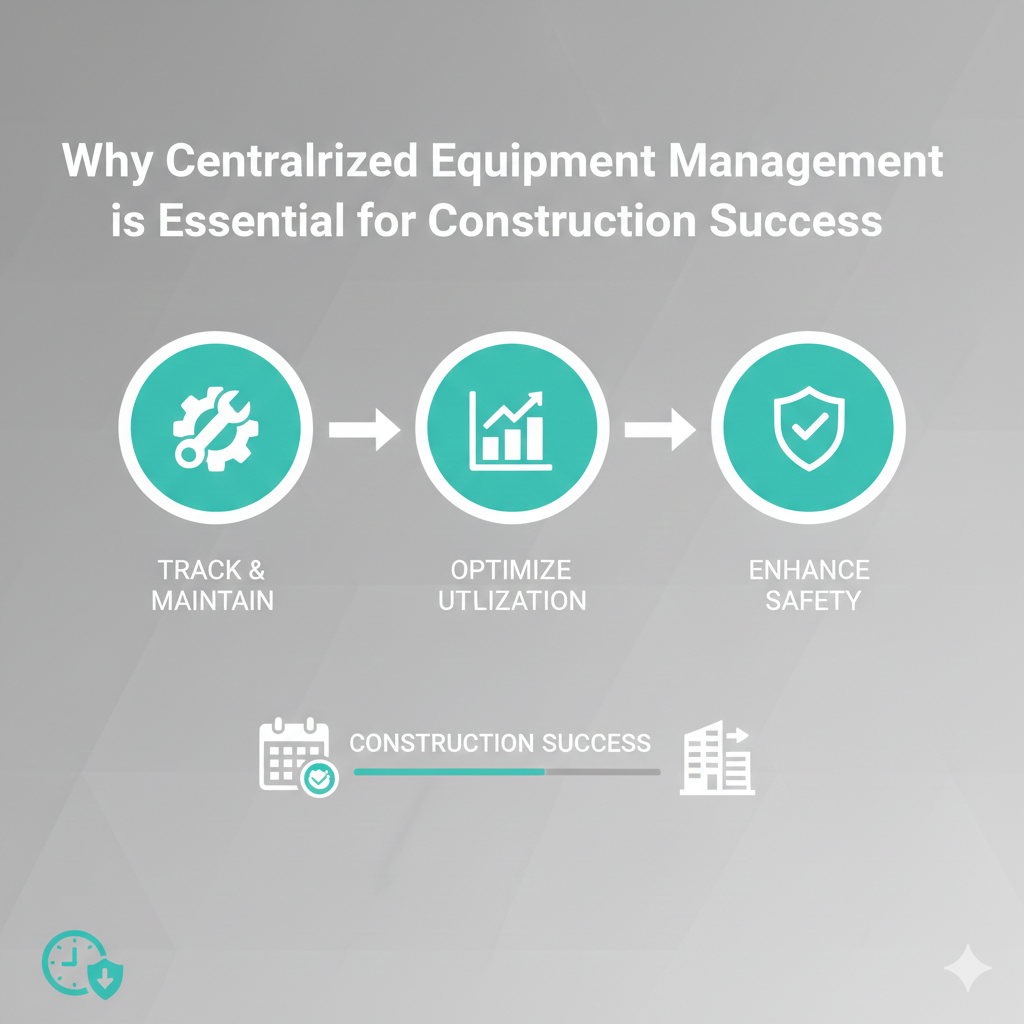
Construction projects are complex, involving a myriad of tasks that need careful coordination. Managing the various aspects of these tasks, such as ensuring equipment availability, maintenance, and operational efficiency, can be challenging. This is where construction equipment management software becomes crucial. By centralizing equipment data, these software solutions enable construction teams to stay organized, reduce downtime, and enhance the overall success of a project.
In this article, we’ll explore how centralized equipment management helps in achieving smoother project workflows, improving equipment utilization, and optimizing costs, all while keeping everything streamlined and accessible.
The Role of Centralized Equipment Management in Construction
Construction companies rely heavily on machinery and tools for their day-to-day operations. The variety and scale of equipment on a jobsite can make tracking and managing it a monumental task. With numerous pieces of equipment spread across different locations, it can become difficult to monitor their availability, condition, and usage. This can lead to mismanagement, inefficiencies, and unexpected downtime.
Centralized equipment management helps solve these issues by consolidating all equipment data into one accessible platform. It allows project managers to have real-time access to critical information regarding their machinery, including maintenance schedules, location, utilization, and availability. This level of oversight ensures that equipment is used efficiently and that any issues are identified and addressed before they become costly problems.
Why Centralized Equipment Management is Essential
- Improved Equipment Utilization
One of the primary benefits of construction equipment management software is its ability to increase equipment utilization. By tracking the usage and location of every piece of equipment, managers can ensure that machinery is being used effectively. Rather than letting equipment sit idle, it can be reassigned or rotated as needed to meet project demands, leading to higher productivity and efficiency.
Additionally, the software can help optimize equipment scheduling to prevent overuse or underuse. When equipment is being used too much without proper maintenance, it can lead to breakdowns and expensive repairs. On the other hand, underutilized equipment is an unnecessary cost, as it still incurs expenses for the company without providing the expected return on investment.
- Streamlined Maintenance and Repairs
A significant portion of equipment downtime is caused by maintenance issues. When equipment is not regularly maintained, it can break down unexpectedly, delaying projects and increasing costs. Centralized equipment management ensures that maintenance is scheduled and tracked automatically. This allows managers to keep a proactive approach to maintenance, reducing the risk of unplanned downtime.
With construction equipment management software, all maintenance records are stored in one place, making it easy to keep track of when each piece of equipment was serviced. Alerts and notifications can be set up to remind teams when preventive maintenance is due, ensuring that equipment remains in peak working condition.
- Enhanced Safety and Compliance
Construction sites are often subject to stringent safety regulations, and equipment is a major factor in ensuring worker safety. Well-maintained equipment is less likely to fail, reducing the chances of accidents and injuries. Additionally, regulatory compliance requirements often mandate specific maintenance and inspection routines for construction equipment.
By centralizing equipment management, compliance with safety regulations is much easier to track. Managers can keep records of inspections, certifications, and repairs, and the software can generate reports for audits. This helps ensure that the company is always in compliance with local and federal safety regulations, reducing the risk of penalties and lawsuits.
- Better Decision-Making and Resource Allocation
Having a single, centralized platform to manage all equipment data provides project managers with a comprehensive view of the project’s needs. By using construction equipment management software, they can make better-informed decisions regarding equipment allocation. They can assess the availability, condition, and location of each piece of equipment and determine the best way to distribute resources across the jobsite.
Additionally, data-driven insights can help managers forecast future equipment needs. For example, by tracking the usage of specific machinery, it becomes easier to predict when new equipment will be required or when existing equipment will need replacement. This foresight helps with planning and budgeting, preventing last-minute procurement or rental costs.
- Cost Control and Budgeting
Construction projects often run over budget due to unforeseen equipment costs. Whether it’s from underutilized machinery, expensive repairs, or the need to rent additional equipment, managing these costs effectively is key to staying within budget. Construction equipment management software helps mitigate these risks by providing accurate and real-time data on equipment usage and expenses.
By having visibility into equipment costs, managers can make adjustments to reduce unnecessary expenses. For instance, they can identify overused equipment that’s driving up fuel costs or determine when it’s more cost-effective to purchase new machinery rather than continue renting. Centralizing this data leads to smarter financial decisions, ensuring that equipment-related costs are controlled throughout the life of the project.
- Improved Communication Across Teams
In large construction projects, communication between teams is essential. With centralized equipment management, teams can easily access and share equipment data. Whether it’s the construction crew, maintenance team, or project managers, everyone can see up-to-date information regarding the status of the equipment. This transparency improves collaboration and ensures that issues are quickly addressed.
The software’s ability to provide real-time updates also ensures that teams are aligned on equipment availability. For instance, if a piece of equipment requires repair, everyone involved in the project will be aware of the issue and can adjust their schedules accordingly. This coordination minimizes delays and enhances the overall efficiency of the project.
Streamlining the Equipment Management Process
The process of managing construction equipment can often be fragmented, with multiple teams using different systems to track equipment. This can result in gaps in communication and data, leading to inefficiencies. Construction equipment management software centralizes all data in one system, making it easier for teams to collaborate and access necessary information quickly.
When equipment is scattered across multiple locations, tracking usage and condition becomes increasingly difficult. But with the software, a unified system tracks every piece of equipment, regardless of location. The software integrates with GPS and IoT technology, allowing managers to monitor equipment in real-time, even if it’s on a different jobsite. This visibility improves decision-making and provides a clear overview of the equipment’s status at any given moment.
Conclusion
Centralized equipment management is no longer just a luxury for large construction companies; it’s a necessity for any construction business that wants to increase efficiency, reduce costs, and enhance safety. By implementing construction equipment management software, companies gain access to real-time insights, streamline maintenance processes, and ensure that resources are used efficiently.
With better equipment utilization, improved safety compliance, and enhanced decision-making capabilities, businesses can complete projects on time and within budget. Centralizing equipment management is the key to transforming the way construction teams work, ultimately leading to more successful projects and improved bottom lines.