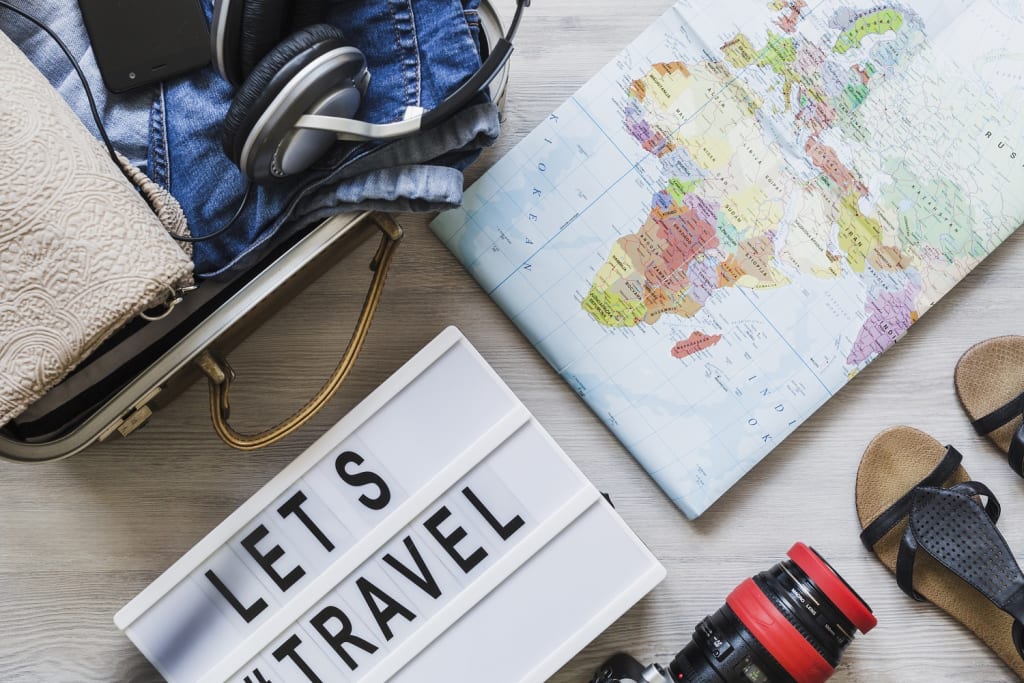
Embarking on your first international trip is an exhilarating experience filled with anticipation and discovery. However, proper planning is key to ensuring a smooth and enjoyable journey. From navigating visa requirements to staying connected abroad, this guide covers essential tips to help you prepare confidently. Whether you’re dreaming of European cities, Asian adventures, or tropical beaches, these practical steps will set you up for success.
Passport and Visa Requirements
The foundation of any international trip starts with valid travel documents. Your passport must be valid for at least six months beyond your planned return date—many countries enforce this rule strictly. Apply or renew early, as processing can take weeks or months.
Next, research visa requirements using official sources like the U.S. State Department’s website or the destination country’s embassy. Some nations offer visa-free entry or visas on arrival for U.S. citizens, while others require advance applications. Electronic authorizations, such as the upcoming European ETIAS (expected in late 2026), may also apply. Make digital and physical copies of your passport and store them separately from the original.
Choosing the Right Travel Destination
Selecting a destination involves balancing your interests, budget, and comfort level as a beginner. Start with traveler-friendly spots like Canada, Mexico, or Western Europe, which have excellent infrastructure and English speakers. Consider factors like season, safety advisories from the CDC or State Department, and current events.
Use tools like Google Flights or travel forums to gauge costs and accessibility. For inspiration, pin potential spots on a world map and research cultural highlights, weather, and must-see attractions. Avoid overly remote or high-risk areas initially to build confidence.
Travel Credit Card Benefits
One smart move for international travelers is choosing a credit card with travel perks. Look for no foreign transaction fees to avoid 3% surcharges on overseas purchases. Cards like the Capital One Venture Rewards or Chase Sapphire Preferred offer rewards on travel spending, plus benefits like trip cancellation insurance, lost luggage reimbursement, and airport lounge access.
Premium options, such as the Capital One Venture X, provide annual travel credits, Global Entry fee reimbursement, and priority boarding. These can offset costs significantly—always pay off balances to maximize rewards without interest.
Setting a Realistic Travel Budget
Budgeting prevents financial stress abroad. Estimate costs for flights, accommodation, food, transportation, activities, and emergencies. Tools like Numbeo or BudgetYourTrip.com provide destination-specific averages.
Factor in hidden expenses like tips, souvenirs, and data roaming. Aim for a daily budget of $100–$200 per person in mid-range destinations, plus a 20% buffer. Track spending with apps like Trail Wallet.
Booking Flights and Accommodation Smartly
Book flights 2–3 months in advance for the best deals, using sites like Kayak or Google Flights with flexible dates. Opt for non-stop when possible to reduce fatigue.
For stays, platforms like Booking.com or Airbnb offer reviews and cancellation options. Hostels or budget hotels suit solo travelers, while apartments provide kitchen access for savings. Read recent reviews and check locations for safety and convenience.
Travel Insurance and Safety Essentials
Travel insurance is non-negotiable for first-timers. It covers medical emergencies, trip cancellations, and lost baggage—often costing 4–10% of your trip price. Policies from providers like Travel Guard or Allianz include 24/7 assistance.
Enroll in the Smart Traveler Enrollment Program (STEP) for alerts. Share your itinerary with family and download offline maps.
Understanding Local Currency and Payments
Research exchange rates and withdraw cash at airport ATMs for better rates. Notify your bank of travel plans to avoid card blocks.
Contactless payments and cards are widespread, but carry some local currency for markets or tips. Apps like XE Currency help with conversions.
Packing Essentials for International Trips
Pack light to avoid fees and ease mobility—aim for carry-on only. Essentials include versatile clothing, comfortable shoes, adapters, a power bank, and medications.
Use packing cubes for organization. Include a reusable water bottle, sunscreen, and a first-aid kit. Check airline restrictions for liquids.
Managing Communication and Internet Access Abroad
Stay connected with an eSIM from providers like Airalo for affordable data without swapping SIMs. Download WhatsApp for free calls and Google Translate for offline use.
Free Wi-Fi is common in cafes and hotels, but use a VPN for security.
Health Precautions and Vaccinations
Consult a travel clinic 4–6 weeks before departure. Routine vaccines like measles should be up-to-date; others like yellow fever or typhoid may be required.
Check CDC destination pages for risks like malaria (use repellents and meds). Pack hand sanitizer and masks if needed.
Cultural Awareness and Local Etiquette
Respect local customs to enhance your experience. Learn basic phrases, dress modestly in conservative areas, and understand tipping norms.
Research gestures to avoid offenses and embrace sustainable practices like reducing plastic use.
Preparing Important Travel Documents
Compile a folder with passport copies, visa confirmations, insurance details, flight itineraries, and hotel bookings. Store digitally on cloud services.
Include emergency contacts and prescriptions translated if necessary.
Final Pre-Departure Checklist
In the days before leaving: Confirm flights, charge devices, set up international phone plans, and leave house instructions. Arrive at the airport early (3 hours for international).
With these tips, your first international adventure will be memorable for all the right reasons. Safe travels!