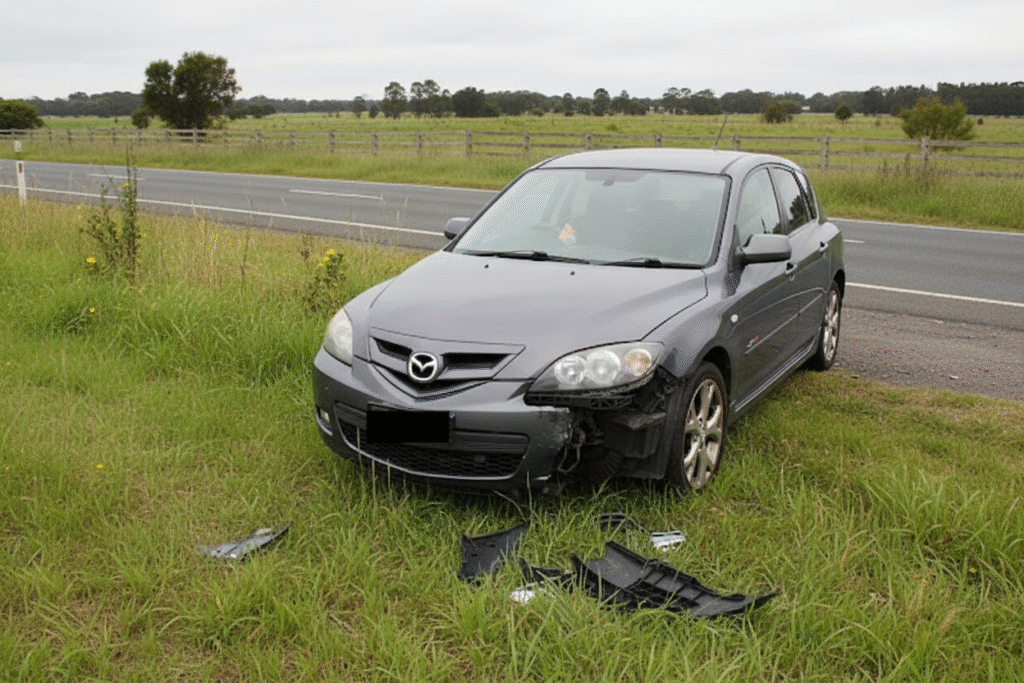
Keeping a non-runner in your Brisbane driveway costs homeowners significant money in hidden depreciation, council fines, and property value loss. While many residents view an old vehicle as a harmless “project” or a future repair job, the reality of the South East Queensland climate and local regulations turns these idle assets into financial liabilities.
Why a Non-Runner is a Financial Drain
The financial impact of an undrivable vehicle extends far beyond the initial cost of the car. In Brisbane, a vehicle sitting idle loses value every day due to mechanical seized parts and environmental exposure.
| Cost Factor | Estimated Annual Impact (AUD) | Primary Cause |
| Depreciation | $500 – $2,000 | Market shifts and component degradation |
| Property Value | 2% – 5% of home value | Reduced “curb appeal” for neighbours and buyers |
| Council Fines | $200 – $700+ | Infringements for “unsightly” or unregistered vehicles |
| Pest Control | $150 – $300 | Rodent and wasp infestations in the engine bay |
Mechanical Degradation in Subtropical Climates
Brisbane’s high humidity and intense summer heat accelerate the decay of rubber seals, gaskets, and upholstery. When a car sits for 6 months or more, the fuel stabilises into a varnish-like substance, clogging injectors and fuel lines. Fluids such as brake line oil and coolant also become acidic, eating away at internal engine components.
Council Regulations and Legal Risks in Brisbane
Brisbane City Council maintains strict guidelines regarding “abandoned” or “unsightly” vehicles on residential properties. To avoid legal complications, homeowners must ensure vehicles are either registered, stored in a fully enclosed garage, or disposed of promptly.
Avoiding Local Government Infringements
To stay compliant with Brisbane local laws, residents follow specific storage protocols. If a vehicle is visible from the street and appears dismantled or derelict, neighbours often lodge complaints. This leads to official inspections and potential fines under the Public Health and Environmental Local Law.
Insurance and Liability Issues
Unregistered non-runners often fall outside standard home insurance policies. If a fire starts in an old wiring loom or a child gets injured while playing near the vehicle, the homeowner bears full legal and financial responsibility. Maintaining 3 types of liability risks—fire, injury, and environmental leakage—is an unnecessary burden for an asset that provides no utility.
Environmental Hazards of Long-Term Storage
Non-runners pose 4 major environmental threats to Brisbane properties, including soil contamination, water runoff pollution, hazardous waste leaks, and pest breeding grounds.
Soil and Water Contamination
Old cars leak 5 primary fluids over time: engine oil, transmission fluid, coolant, brake fluid, and battery acid. Brisbane’s heavy summer storms wash these chemicals into the stormwater system and local waterways like the Brisbane River. This contamination devalues your land and creates long-term remediation costs.
Pest Infestations
In Queensland, stationary vehicles serve as ideal habitats for 4 specific pests:
- Rodents: Rats chew through wiring harnesses, causing thousands of dollars in damage.
- Paper Wasps: Nests often form in door frames and side mirrors.
- Huntsman Spiders: These frequently colonise dashboard cavities.
- Cockroaches: Damp carpets and old upholstery provide perfect breeding conditions.
The Loss of Practical Space
A non-runner occupies approximately 10 to 15 square metres of space in a driveway or yard. In suburbs like Chermside, Indooroopilly, or Carindale, where land value is high, wasting this space is inefficient.
Alternatives for Your Driveway Space
Reclaiming your driveway allows for 4 better uses of the area:
- Parking for functional vehicles: Avoiding street parking reduces the risk of sideswipe accidents.
- Guest parking: Enhances the experience for visitors.
- Landscaping: Increasing the garden area improves property aesthetics.
- Recreational use: Creating a clean space for kids to play or for outdoor hobbies.
Pros and Cons of Keeping vs. Selling
Deciding whether to keep a non-runner involves weighing the sentimental value against the practical reality of restoration.
| Feature | Keeping for Restoration | Selling to a Professional Buyer |
| Immediate Cash | None (Costs money) | High (Instant payout) |
| Space Usage | High Occupancy | Space Reclaimed |
| Effort Required | High (Parts sourcing/Labour) | Zero (Free towing) |
| Environmental Impact | Potential Leaks | Eco-friendly Recycling |
| Stress Level | High (Neighbour complaints) | Low (Fast transaction) |
How to Effectively Remove a Non-Runner
Removing a stationary vehicle involves 3 main steps: assessing the mechanical state, gathering the necessary paperwork, and contacting a specialist removal service.
Step 1: Assess Total Repair Costs
To determine if a car is worth fixing, compare the repair quote to the current market value. If the repairs exceed 60% of the car’s “running” value, the vehicle is a “write-off” for all practical purposes.
Step 2: Prepare for the Sale
Brisbane residents need 3 items to facilitate a smooth removal:
- Proof of Ownership: A driver’s licence or registration papers.
- Clear Access: Ensure the tow truck can reach the vehicle without obstructions.
- Personal Belongings: Check the glove box, under seats, and the boot for valuables.
Step 3: Choose a Professional Removal Service
Selecting a reputable Brisbane car buyer ensures you receive a fair price and free towing. Professional wreckers, such as Cash for Car Brisbane, specialise in the eco-friendly disposal of non-runners. They process the scrap metal and salvage usable parts, ensuring that 95% of the vehicle is recycled rather than sent to a landfill.
Situational Relevance: When to Act
There are 3 specific situations where immediate removal is the only logical choice:
- Moving House: Don’t pay to tow a non-functional car to a new property.
- End of Financial Year: Clear out assets to simplify your personal balance sheet.
- Storm Season Prep: Remove potential debris and environmental hazards before the Brisbane summer storms arrive.
Conclusion: Turning a Liability into an Asset
The true cost of keeping a non-runner in your Brisbane driveway is a combination of lost property value, environmental risk, and missed financial opportunity. By choosing to sell the vehicle, you eliminate the stress of council fines and pest infestations while gaining immediate cash.
Reclaiming your driveway provides peace of mind and a cleaner living environment. For those in the Greater Brisbane area, services like Cash for Cars Brisbane provide a seamless solution, turning your unwanted non-runner into a valuable asset in a single afternoon. Stop letting your driveway lose you money and take the first step toward a clutter-free home today.