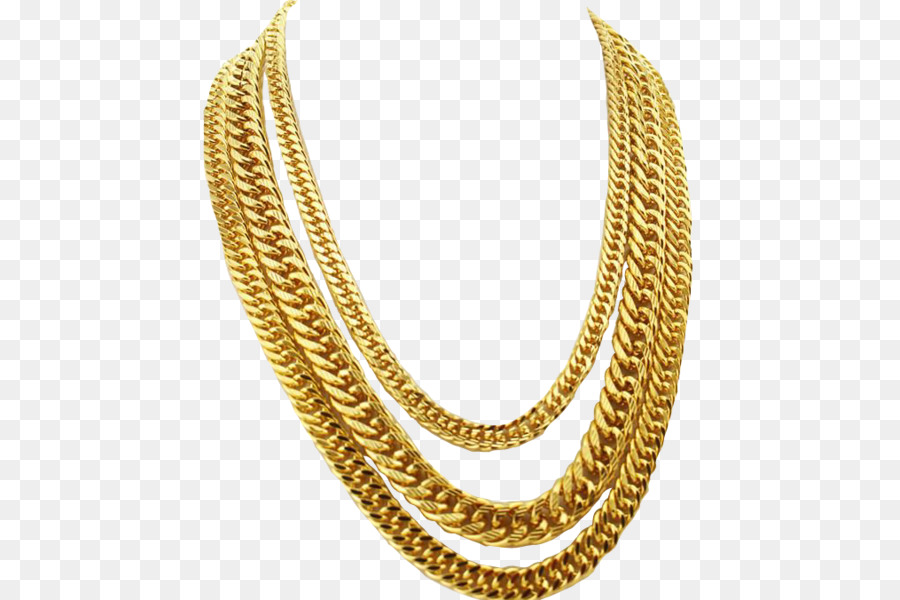
Gold chains are among the most enduring and universally recognized forms of personal adornment in human history. Synonymous with wealth, power, style, and cultural identity, these seemingly simple pieces of jewelry carry deep historical roots and complex symbolic meanings across civilizations.
From the courts of ancient kings to modern street fashion, gold chains have evolved in their craftsmanship and significance while remaining timeless in appeal.
Origins & Early History
Gold’s allure predates written history. As one of the first metals discovered and worked by humans due to its malleability and natural lustre, gold quickly became central to early jewelry-making. The earliest gold chains emerged in ancient civilizations, where they were crafted not just for ornamentation but as expressions of status and spiritual meaning.
Ancient Egypt
In Egypt, gold was revered as the flesh of the gods, particularly associated with the sun god Ra. Pharaohs and nobility wore elaborate gold necklaces and chains as symbols of divine authority and eternal life. These chains were often paired with gemstones and intricate motifs, reflecting advanced metalworking skills and complex religious beliefs.
Mesopotamia & the Near East
In Mesopotamia, chains were worn by royalty and elites as markers of social rank. Goldsmiths created elaborate link patterns using techniques that would influence jewelry design for millennia.
Greece & Rome
By the time of classical Greece, gold chains became more widespread among the wealthy class. Greek artisans experimented with various link styles—like the Byzantine chain—that remain popular today. In ancient Rome, gold jewelry, including chains, signified status and wealth. Generals, senators, and emperors adorned themselves with gold to display power, and laws sometimes regulated who could wear it.
Chain Styles Through the Ages
As goldsmithing techniques advanced, so did the variety of chain styles. Distinct link patterns emerged, each with unique aesthetic characteristics and cultural associations.
Rope Chain: Interwoven links resembling twisted rope—symbolizing strength and connection.
Curb Chain: Flat, interlocking links that lie smoothly on the body; a staple in classical and modern designs.
Figaro Chain: Alternating pattern of short and long links; rooted in Italian design and popularized in European jewelry.
Byzantine Chain: Complex, richly textured links that reflect medieval craftsmanship, often found in regal pieces.
Box and Snake Chains: Sleek, geometric designs that arose with modern manufacturing.
Each style not only represents artistic evolution but also reflects the tastes and technologies of its era.
Gold Chains in Cultural & Religious Contexts
Chains have carried rich symbolic weight in many spiritual and cultural traditions.
Africa
Long before European contact, African societies used gold for currency, art, and ornamentation. In kingdoms like Ghana and Mali, chains and jewelry symbolized royalty, divine favor, and social hierarchy. The Ashanti people of present-day Ghana used gold regalia in ceremonies to honor ancestors and affirm community identity.
India
Gold has deep spiritual significance in Indian culture. It’s traditionally worn during weddings and religious festivals as a sign of prosperity and good fortune. Necklaces and chains—often paired with auspicious pendants—are considered protective talismans that bring blessings and ward off negative energies.
Christianity & Religious Symbolism
Within Christian traditions, chains often bear crosses or icons. These serve not only as fashion statements but as visible declarations of faith. In many rites and rituals, they symbolize spiritual commitment and divine protection.
East Asia
In cultures influenced by Buddhism and Confucianism, gold symbolizes purity, enlightenment, and respect for tradition. Gold jewelry, including chains, is often part of wedding gifts and celebrations, signifying enduring relationships and generational wealth.
Chains & Social Status
Throughout history, wearing gold has been tightly linked to class and power.
Medieval Europe
During the Middle Ages, sumptuary laws often regulated who could wear gold jewelry. Monarchs and high nobility wore chains as visible badges of rank. These were sometimes granted by monarchs to loyal subjects as marks of honour—precursors to modern medals and decorations.
Renaissance & Early Modern Era
As trade expanded and gold became more accessible, jewelry styles diversified. The wealthy Renaissance patrons wore chains adorned with gemstones and heraldic symbols. These chains were not just fashion—each motif could tell a story about lineage, achievement, or allegiance.
Colonialism & Global Trade
With the Age of Exploration, gold from the Americas reshaped European wealth. Chains and gold jewelry became central to trade networks spanning continents. However, this era also brought exploitation and upheaval, especially in regions where indigenous mining and craftsmanship were disrupted.
20th Century: From Classic Elegance to Cultural Statement
The 20th century transformed the role of chains in popular culture.
Hollywood & Glamour
Golden necklaces became staples of Hollywood glamour. Actresses and stars wore chains in films and red carpet events, reinforcing associations with luxury and elegance.
Music & Identity
In the late 20th century, chains became iconic within Black cultural expression, particularly in hip-hop and rap communities. Beginning in the 1970s and 1980s, artists like Run-D.M.C., LL Cool J, and later Notorious B.I.G. and Jay-Z adopted oversized chains as part of their visual identity. For many, these chains represented resilience, success against odds, and reclaiming symbols of wealth historically denied to marginalized communities.
This shift made chains not just accessories but statements of identity and pride. The style spread globally, influencing fashion across age groups, demographics, and cultures.
Modern Significance & Trends
Today, chains continue to evolve in meaning and style.
Fashion Fusion
Designers blend classical motifs with contemporary aesthetics. Fine jewelry houses reinterpret ancient link patterns with modern minimalism, while streetwear brands mix chains with urban fashion. Their versatility allows them to be both understated and boldly expressive.
Symbol of Achievement
Gold are often given to mark milestones, graduations, anniversaries, births, and accomplishments. In some communities, receiving a chain is a rite of passage, symbolizing coming of age or entry into adulthood.
Economic & Cultural Investment
In many parts of the world, gold jewelry retains practical value as a store of wealth. Brides in South Asia, Middle Eastern families, and investors worldwide hold gold as both ornament and asset.
Customization & Personal Identity
Modern consumers personalize chains with pendants, engravings, and mixed materials. Charms, initials, zodiac symbols, and culturally significant icons turn chains into expressions of personal narrative.
Why Gold Chains Endure
Several factors explain the persistent appeal of chains:
Timelessness: Gold’s physical properties—resistant to tarnish, durable, radiant—make it ideal for lasting jewelry.
Universality: Across continents and centuries, gold has been valued for beauty and worth.
Versatility: Chains can be worn alone, layered, or combined with pendants, suiting varied tastes.
Symbolism: Whether signifying faith, status, identity, or personal story, gold carry meaning beyond aesthetics.
Conclusion
From ancient dynasties to urban landscapes, gold chains have woven through history not merely as ornaments but as powerful symbols of identity, aspiration, and cultural expression. They reflect not only changing tastes but evolving values—of beauty, power, memory, and meaning. In every link lies a story: of craftsmanship and culture, of individuals and societies. In recognizing that history, chains emerge not just as jewelry but as embodiments of human creativity and continuity across time.