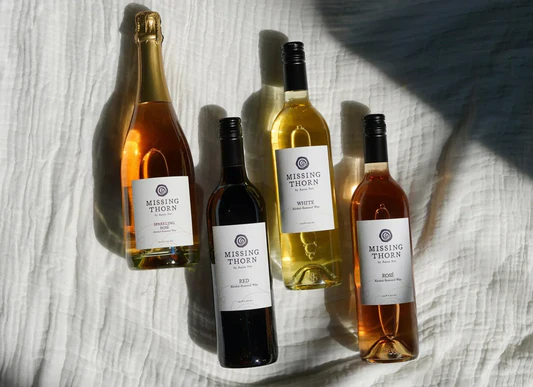
We are witnessing a decisive shift in global drinking culture, where non-alcoholic wine has emerged as a sophisticated, intentional choice rather than a compromise. Once considered a niche product, it is now a refined category crafted for discerning consumers who seek flavor, ritual, and quality without alcohol. Non-alcoholic wine mirrors the structure, aroma, and mouthfeel of traditional wine while aligning with wellness-driven lifestyles, cultural preferences, and responsible consumption trends.
Non alcoholic wine is not grape juice. It begins as fully fermented wine, produced using the same viticultural practices, grape varietals, and winemaking expertise as alcoholic wine. Alcohol is then carefully removed, preserving the wine’s character, complexity, and terroir expression.
How Non-Alcoholic Wine Is Made
Traditional Winemaking Comes First
We start with harvested grapes—Cabernet Sauvignon, Chardonnay, Pinot Noir, Riesling, and more—fermented using standard yeast-driven processes. This step is critical because it builds the wine’s aromatic compounds, tannins, acidity, and body.
Advanced Alcohol Removal Techniques
Once fermentation is complete, alcohol is removed using highly controlled methods:
- Vacuum Distillation: Low-temperature evaporation preserves volatile aromas.
- Reverse Osmosis: Filters out alcohol molecules while retaining flavor compounds.
- Spinning Cone Column Technology: Separates and reintroduces aroma fractions for precision flavor balance.
These techniques allow producers to achieve 0.0%–0.5% ABV, meeting international non-alcoholic standards while maintaining wine integrity.
Types of Non-Alcoholic Wine
Non-Alcoholic Red Wine
We find that non-alcoholic red wines focus on structure and depth. Expect notes of dark berries, plum, oak, and spice, supported by soft tannins. Popular styles include Merlot, Shiraz, and Cabernet Sauvignon, designed to pair with hearty dishes and rich flavors.
Non-Alcoholic White Wine
Crisp and refreshing, non-alcoholic white wines highlight citrus, green apple, stone fruit, and floral aromas. Chardonnay and Sauvignon Blanc dominate this category, offering bright acidity and clean finishes suitable for seafood, salads, and light cuisine.
Non-Alcoholic Rosé Wine
Rosé expressions balance freshness and fruit-forward charm. Expect strawberry, raspberry, and watermelon notes with a dry, elegant profile. These wines are versatile, social, and seasonally appealing.
Non-Alcoholic Champagne and Sparkling Wine
Among the most sought-after options, non-alcoholic champagne and sparkling wine deliver effervescence, celebratory appeal, and refined taste. Crafted using traditional sparkling methods before alcohol removal, they offer fine bubbles, crisp acidity, and brioche or apple undertones, making them ideal for toasts, events, and premium gifting.
Taste Profile and Quality Expectations
We emphasize that modern non-alcoholic wine is defined by balance and authenticity. High-quality producers focus on:
- Aroma retention for a true wine bouquet
- Acidity management to replace alcohol’s mouthfeel
- Tannin structure in reds for depth
- Residual sugar control to avoid sweetness overload
Premium non-alcoholic wines are dry, nuanced, and food-friendly, dispelling outdated assumptions about thin or overly sweet alternatives.
Health and Lifestyle Benefits
Alcohol-Free Without Sacrificing Experience
Non-alcoholic wine supports conscious consumption while maintaining the ritual of wine enjoyment. Benefits include:
- Zero or minimal alcohol intake
- Fewer calories than traditional wine
- No hangovers or impaired cognition
- Compatibility with fitness, wellness, and recovery goals
Polyphenols and Antioxidants
Because non-alcoholic wine originates from fermented grapes, it retains polyphenols, flavonoids, and resveratrol, particularly in red varieties. These compounds are widely associated with cardiovascular support and cellular protection.
Who Chooses Non-Alcoholic Wine
We see widespread adoption across diverse audiences:
- Health-conscious consumers
- Pregnant or breastfeeding individuals
- Designated drivers
- Professionals avoiding alcohol
- Cultural and religious communities
- Wine enthusiasts seeking moderation
Non-alcoholic wine is no longer an alternative—it is a first-choice beverage.
Food Pairing With Non-Alcoholic Wine
Red Wine Pairings
- Grilled vegetables
- Mushroom risotto
- Plant-based proteins
- Tomato-based pasta dishes
White Wine Pairings
- Seafood and shellfish
- Fresh salads
- Soft cheeses
- Asian-inspired cuisine
Sparkling Wine Pairings
- Appetizers and canapés
- Brunch dishes
- Light desserts
- Celebration menus
We recommend serving non-alcoholic wine slightly chilled, using proper glassware to enhance aroma and presentation.
How to Choose the Best Non-Alcoholic Wine
Check Production Method
Look for brands that clearly state how alcohol is removed. Advanced methods indicate higher quality.
Review Sugar Content
Premium non-alcoholic wines are dry or low-sugar, preserving balance and authenticity.
Origin and Winemaking Credentials
We prioritize wines produced by established wineries or dedicated alcohol-free specialists with proven expertise.
Style Over Sweetness
Choose wines labeled dry, brut, or extra brut, especially in sparkling categories.
Storage and Shelf Life
Non-alcoholic wine should be stored cool and away from light, similar to traditional wine. Once opened, it is best consumed within 3–5 days, as the absence of alcohol reduces natural preservation.
The Future of Non-Alcoholic Wine
We are entering a golden era for non-alcoholic wine innovation. Producers continue to refine techniques, expand varietals, and elevate sensory quality. Restaurants, hotels, airlines, and fine-dining establishments increasingly feature alcohol-free wine lists, validating its place alongside traditional offerings.
This category is no longer defined by what it lacks, but by what it delivers: taste, elegance, inclusivity, and intention.
Why Non-Alcoholic Wine Deserves a Place at the Table
We recognize non-alcoholic wine as a modern expression of wine culture—one that respects craftsmanship while embracing evolving lifestyles. It offers complexity without compromise, celebration without excess, and tradition without limitation.
Non-alcoholic wine stands as a premium, thoughtful choice for those who value flavor, clarity, and balance in every glass.